Last updated November 20, 2026
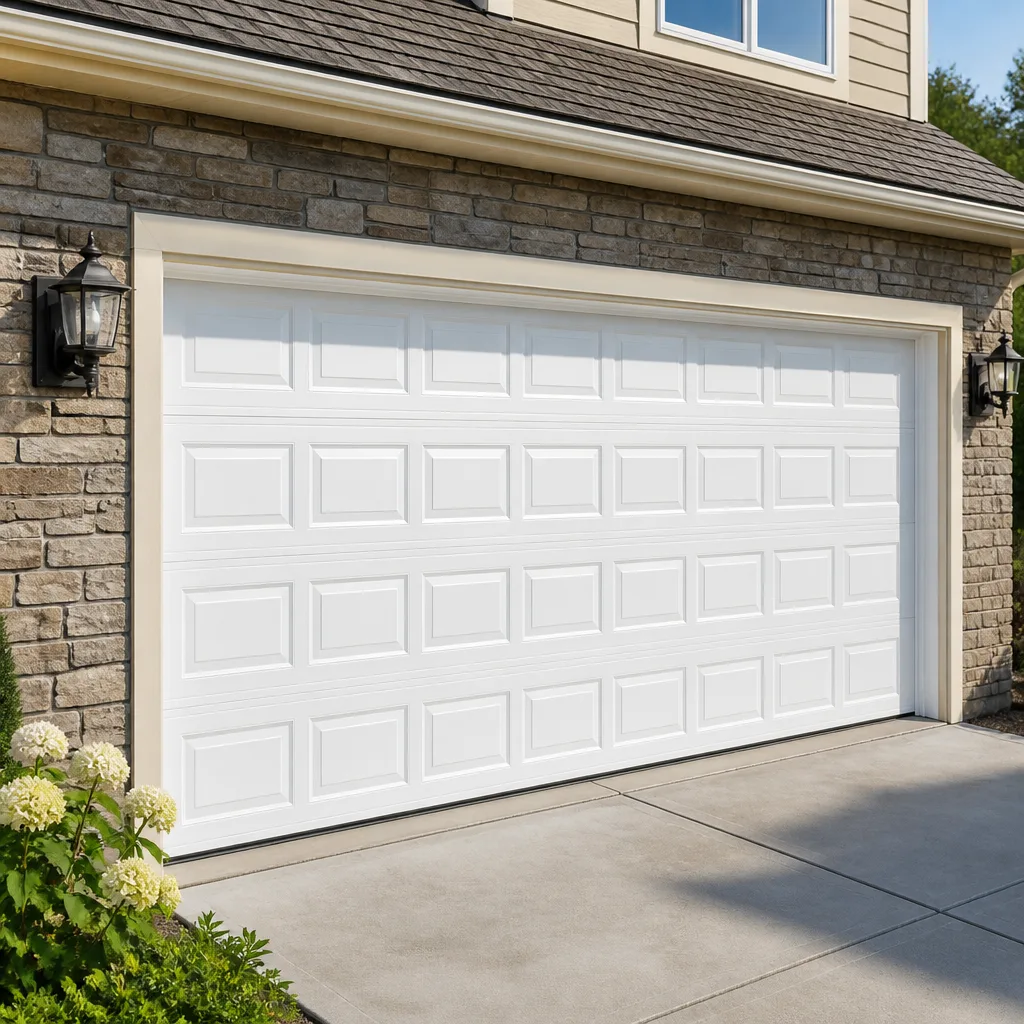 Raised-panel steel
 Carriage house
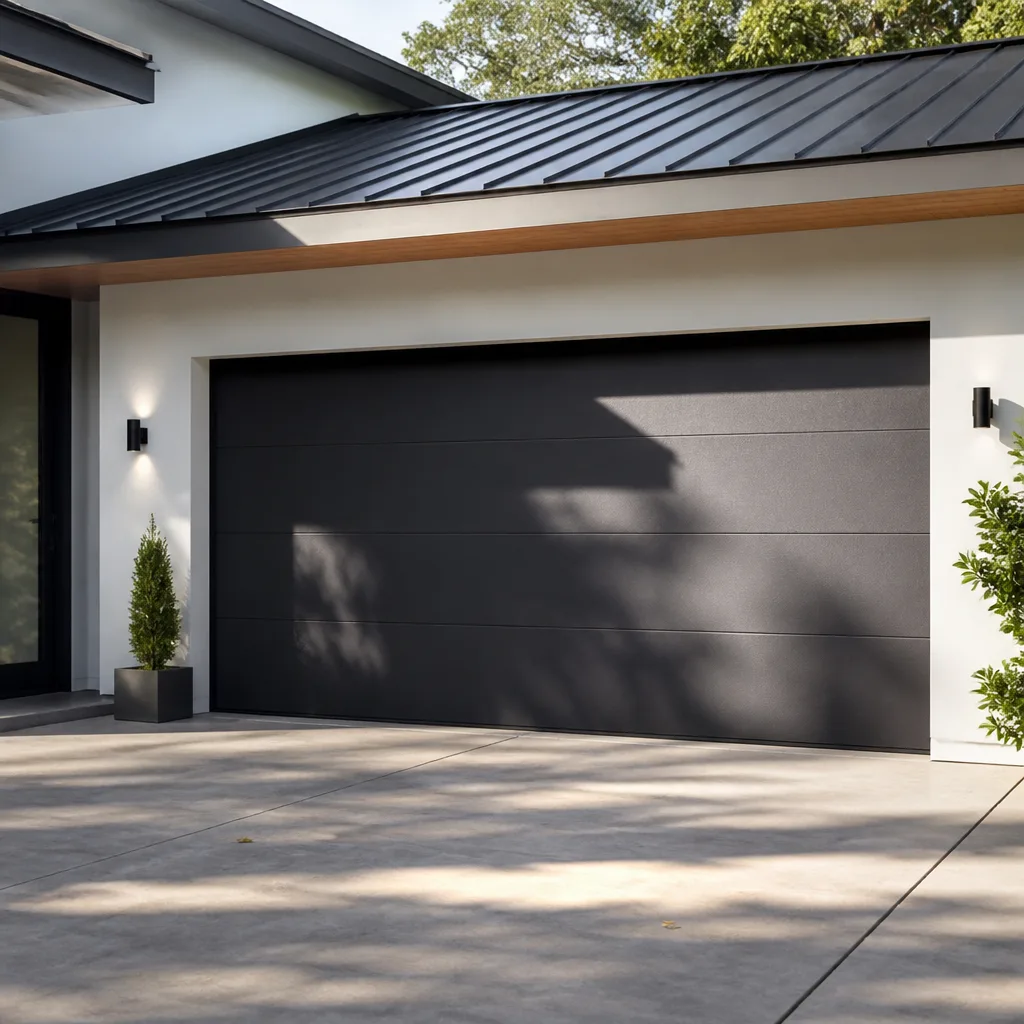 Modern flush
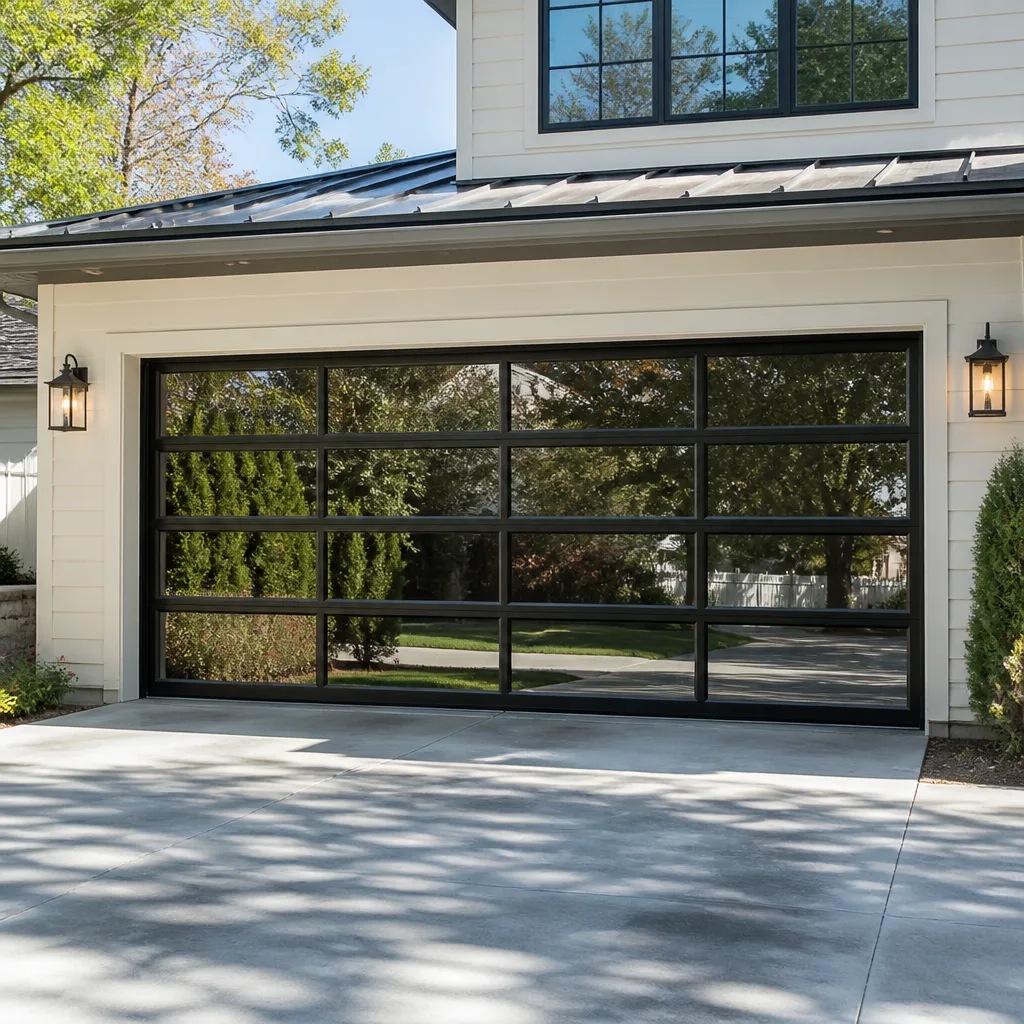 Full-view glass
 LiftMaster openers
 Chamberlain openers
Full 25-point door and opener safety check with every visit - springs, cables, rollers, tracks, and your LiftMaster or Chamberlain opener included
You get a price before we start. It does not change when the pro arrives.
Get your free estimateGarage Door Permits, Codes & Inspections in Westminster, CO: What You Need to Know
Most Westminster homeowners assume a garage door project never needs a permit. For a straight swap of a like-for-like door, they’re usually right. The trouble starts when a project crosses a line nobody told them about: framing changes, new electrical circuits, or a door spec that no longer matches what the city has on file. Losing a sale over a missing inspection is rare, but a delayed closing isn’t, and neither is a re-inspection fee. This guide draws the exact line for Westminster. You’ll learn when a building permit is triggered, when it isn’t, which office you’re dealing with, how HOA approval fits with city approval, and how to fix unpermitted work after the fact.
Quick Answer
A garage door replacement alone usually doesn’t need a building permit in Westminster, CO, unless you’re changing the opening’s structure, adding or altering electrical work, or building new. A new opener circuit or any panel and header modification does require a permit. HOA approval is a separate process from a city permit, and both should be handled in that order before work starts. Always confirm with the City of Westminster’s building department and your county, because the jurisdiction depends on your address.
Styles & brands we work with
- Raised-panel steel
- Carriage house
- Modern flush
- Full-view glass
- LiftMaster openers
- Chamberlain openers
Table of Contents
- Does a garage door project need a permit in Westminster?
- City of Westminster vs. Adams County: which office do you call?
- HOA approval vs. city permit: two processes, one correct order
- What “like-for-like replacement” actually means
- What inspections involve and how to prepare
- The resale disclosure risk and how to fix it
- How brand and spec affect code compliance
- Who pulls the permit, you or the contractor?
Does a garage door project need a permit in Westminster?
It depends on what’s actually changing, not on the word “garage door.” A door leaf and track removal and reinstall with the same size opening, same header, and no new wiring typically doesn’t trigger a building permit. The moment the project touches structure or electrical, it does. That distinction is the whole game, and it’s where contractors get fuzzy.
Think of it in three buckets:
- No permit usually required: Replacing a door and springs with the same size and spec. Replacing an opener on an existing outlet and circuit. Replacing damaged panels with matching ones.
- Permit typically required: Widening or shortening the opening. Changing the header. Adding a new electrical circuit, outlet, or dedicated opener line. Building a new garage or an attached structure.
- Depends on scope: Converting a manual door to an opener if it requires new wiring. Any change to how load is carried above the opening.
Westminster follows the standard pattern here: the city’s building department is the authority for structural and electrical work, and small mechanical swaps are handled without a permit because they don’t affect life safety. Our technicians have up to 11 years of experience, and in that time we’ve learned the practical rule: if it changes structure or adds electricity, plan for a permit, and confirm it with the city. If you’re only swapping a door or repairing a spring, ask the building department anyway to be safe. The answer is usually quick and free.
One Westminster-specific wrinkle: because the city blends older neighborhoods and newer construction, the age of the house matters. Older openings sometimes don’t match what’s drawn on file, and that gap is worth knowing about before you order a door.
City of Westminster vs. Adams County: which office do you call?
Your address decides it. Westminster sits in multiple counties, and the county lines don’t follow the city limits in a way that’s obvious from your street. A house on one side of a road can be in Adams County while the house across the street is in the City of Westminster’s jurisdiction. That means the office you call for a permit isn’t always the one your neighbor called.
Here’s how to sort it out before you pick up the phone:
- Look up your property on the county assessor’s site and check which county your parcel sits in.
- Check whether your address falls inside the City of Westminster’s incorporated limits, or in an unincorporated pocket handled by the county.
- Call the city or county building department with your address and describe the exact scope, not the general idea. “Replace door and springs, same size, same header” gets a different answer than “widen the opening.”
- Ask which permits apply to the electrical side if a new circuit is involved, because that’s a separate permit in some cases.
- Write down the name and date of who told you, so the answer is on record if it’s questioned later.
This is where a lot of Westminster homeowners get tripped up. They call a general contractor who says “we do garage doors all the time, no permit needed,” and later find out their address sits in a jurisdiction that wanted one. The permit for the electrical portion of an opener install is the most common miss. It’s not dramatic, but it’s real, and it shows up at the worst time. Knowing which office you’re dealing with, before a single tool comes out, saves a lot of grief.
HOA approval vs. city permit: two processes, one correct order
A city permit and an HOA approval are not the same thing, and neither one substitutes for the other. The city governs building safety and code. Your HOA governs appearance and architectural consistency. A door that passes city inspection can still be rejected by your HOA board, and a door your HOA loves can still fail city code if the structure is wrong. You need both, and the order matters.
The sequence that works:
- Read your HOA’s architectural guidelines first. Most covenants specify door color, style, window pattern, and sometimes even door material. Submitting a door that doesn’t match the approved palette wastes everyone’s time.
- Submit the architectural request with the door spec sheet. Include the manufacturer, model, and color. If the request requires a drawing, most manufacturers provide one.
- Get HOA approval in writing. Keep the approval letter; you’ll want it at resale.
- Then confirm permit requirements with the city or county if the project touches structure or electrical.
- Schedule the work only after both are settled.
In Westminster’s planned communities, HOA approvals often move faster than people expect, but they can take longer than the door order. The failure mode is a homeowner who orders a Clopay or Amarr door in a finish the HOA later flags as off-palette, then eats a restocking fee when they have to swap it. Get the HOA sign-off before you commit to the door. That single step prevents the most avoidable delay in the whole process.
What “like-for-like replacement” actually means
“Like-for-like” means the new door matches the old one on the details that matter to code: size and dimensions of the opening, the structural loading, the presence or absence of windows, and the basic configuration. It does not mean “looks similar from the street.” This is where contractors fudge the definition, and it’s worth understanding the line clearly.
Here’s how to tell whether a project is genuinely like-for-like:
- Same opening width and height, not “close.”
- Same header and structural framing, unchanged.
- No new electrical work if the old door was manual, or vice versa.
- No change to the side or overhead clearance that affects track and spring mounting.
- Same general weight class of door, so the springs are still matched to the door.
Where it gets fudged: a door with added windows that increases the weight by a few pounds and requires thicker springs, or a slightly taller door substituted because the original size is back-ordered. Those small changes can push a replacement out of like-for-like territory and into a project that wants a permit and a structural verification. A Wayne Dalton replacement that matches the original box, weight, and configuration is genuinely like-for-like. A taller or heavier unit in the same color is not.
When in doubt, take a photo of the door, note the size, and ask the city. Westminster’s building department would rather answer a five-minute question than review a resale problem a year later. And if your door is old and its original spec isn’t on file, that’s the moment to call us for an assessment before you buy.
What inspections involve and how to prepare
If your project required a permit, it likely requires an inspection. The good news is that garage door inspections are narrow in scope. The inspector isn’t evaluating “does it look nice.” They’re checking the things a permit exists to protect: structural integrity and electrical safety.
A typical inspection looks at:
- That the header and framing above the opening match what the permit shows.
- That the track is securely mounted and the door operates without interference.
- That springs, cables, and fasteners are present and correctly installed.
- That any new electrical circuit is properly wired, grounded, and protected.
- That the door’s safety features, including the opener’s reverse function in most residential setups, function.
To prepare, clear the garage floor and make sure the door and opener are working. Have your approved plans and the permit card ready. If any part of the work isn’t complete, reschedule rather than let the inspection fail; a failed inspection costs more in re-inspection fees and time than a short delay.
The one part of this that matters most: high-tension torsion springs and the cables they drive are dangerous. The tension on a wound spring can cause serious injury if it releases, which is why this work belongs to trained technicians, not a homeowner with a wrench. Inspections are paperwork. Spring work is physical risk. A trained technician with the right winding bars and the door restrained is the only safe way to service springs, and our garage door repair team treats spring work with the respect it deserves. Our technicians have up to 11 years of experience, and they’ve seen what happens when that tension lets go unexpectedly.
The resale disclosure risk and how to fix it
Unpermitted work is a disclosure issue, not usually a deal-killer. In Colorado, sellers are expected to disclose known material defects, and unpermitted structural or electrical work can qualify. If a buyer’s inspector spots a new opener circuit with no permit on file, it goes on the report, and the buyer asks you to remediate or credits the cost against the sale. Either way, you’re paying, and the negotiation happens under time pressure.
The fix depends on how old the work is and what it involved:
- Find out what was actually done, in writing. Pull any contractor invoices you have and identify the scope.
- Call the city or county building department and ask about retroactive permitting for that specific type of work.
- Expect a possible inspection and a corrected plan. The building department will tell you what it needs to sign off.
- Get the permit recorded so it shows at resale.
- Disclose it accurately on the seller’s property disclosure if it’s relevant.
Some retroactive permits are easy; others require a contractor to sign off on the work and an inspection. The cheapest path is almost always to fix it before you list. A sale that pauses for a re-inspection drags the whole closing. And if a buyer’s lender gets involved, an outstanding permit can trigger extra steps. The good news for Westminster homeowners is that door and opener projects are usually small in scope, which makes retroactive permits manageable.
How brand and spec affect code compliance
A door is not a “door,” it’s a system. The panel, the track, the springs, and the opener all have to work as a matched set, and the permit-and-code picture is downstream of that match. A replacement that pairs a heavier door with the old springs will operate but wear badly, and a permit inspector may flag a mismatch if it affects operation or safety.
We work on the eight brands you’re most likely to have on your house: LiftMaster, Chamberlain, Genie, Clopay, Amarr, Wayne Dalton, Craftsman, and Raynor. That means we diagnose by brand logic, not by trial and error, and we know which configurations tend to raise questions at inspection time. Two quick examples:
- A heavy insulated door on an older Genie opener can need a different opener spec to operate safely, which pulls a new electrical question into the project.
- A matched pair of springs is what the door was built for. Replacing one spring at a time is a false economy, and a permit inspector will look at the door’s overall condition, so a half-repaired setup can create extra questions.
Where this touches the permit conversation: if your door needs a matched spring pair and a compatible opener, the electrical portion of the job is what usually triggers the permit. That’s the same pattern that trips homeowners up. Ask your contractor to spell out the door/opener combination and the electrical scope, then check with the city. Our garage door opener repair team can tell you whether the existing opener is fine or whether a change is worth doing, and that answer shapes the permit question.
Who pulls the permit, you or the contractor?
The person doing the work usually pulls the permit, but the homeowner owns the outcome. That’s the short version. If a permit is required and a contractor pulls it, you’re covered. If a contractor says “no permit needed” and turns out to be wrong, the permit record is the homeowner’s problem at resale. That’s why the question matters, and why it’s worth asking before work starts.
What we tell Westminster homeowners:
- Ask in writing who is pulling the permit and what it covers.
- Keep a copy of the permit and the inspection paperwork.
- If the answer is “no permit needed,” get the reasoning in writing and confirm it with the city yourself.
- Never assume a contractor’s say-so overrides the building department.
For installation work, this matters more. A garage door installation that involves a new opener circuit, a widened opening, or a heavier door can require a permit, and the paperwork is part of the job. For a straightforward replacement, it usually doesn’t, but the contractor should still tell you why. Our team at Westminster Garage Door Repair Pros walks through the permit question with every Westminster homeowner before work starts, because it’s easier to answer now than at closing.
Common Mistakes to Avoid
- Assuming “no permit” is always true. It’s true for a simple swap and false for anything touching structure or electrical. Get the answer for your specific scope.
- Calling the wrong jurisdiction. Westminster addresses can sit in the city or the county, so confirm which office handles your parcel before you start calling.
- Getting a permit before HOA approval. The HOA can reject a door the city already approved. Get the HOA sign-off first.
- Ordering a door before the architectural request is approved. A Clopay or Amarr door ordered in a finish your HOA rejects costs a restocking fee to swap.
- Fudging “like-for-like.” A slightly taller or heavier door in the same color is not like-for-like. That gap is where resale problems start.
- Skimping on springs to save the inspection hassle. Replacing one spring of a matched pair is a false economy and can raise questions later. Springs get replaced as a pair by a trained tech.
- Ignoring a prior owner’s work. If you inherited an unpermitted opener circuit, disclosure obligations carry to you. It doesn’t go away.
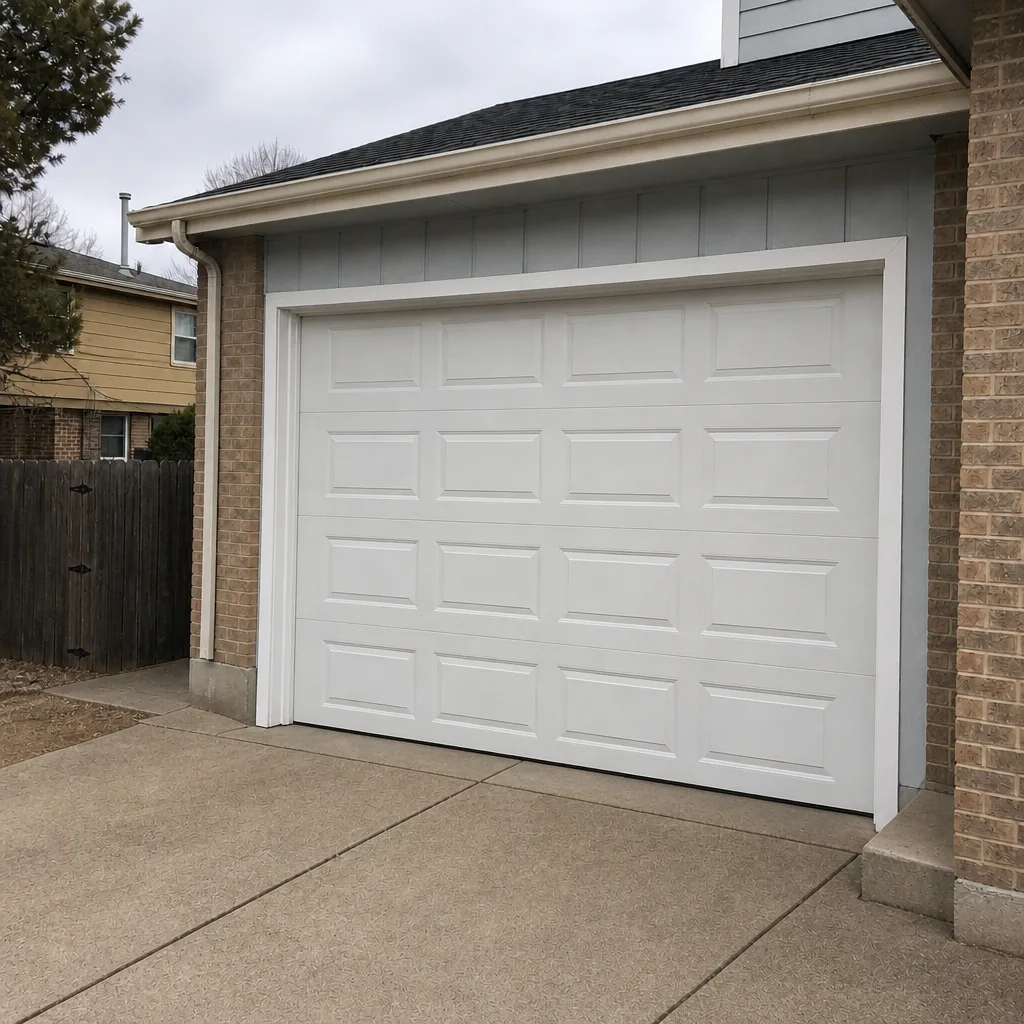
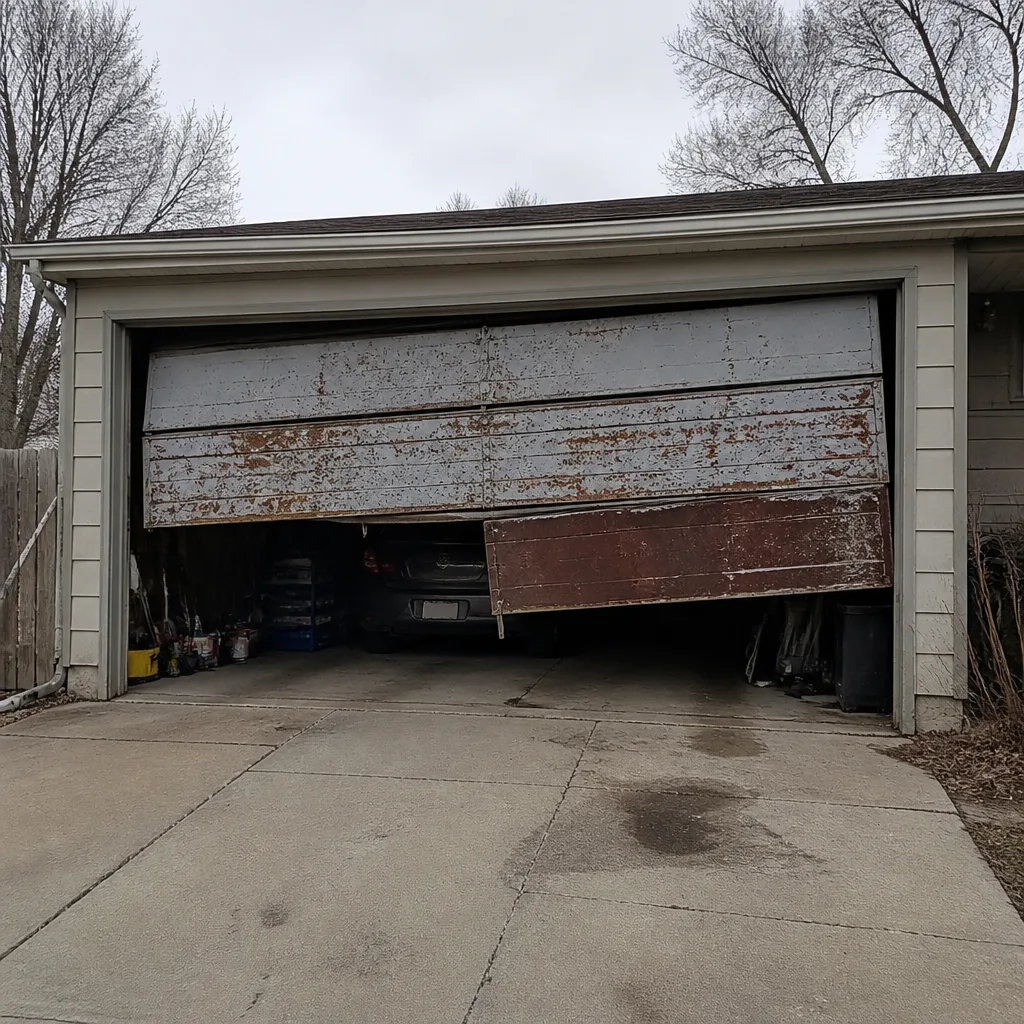
See the difference
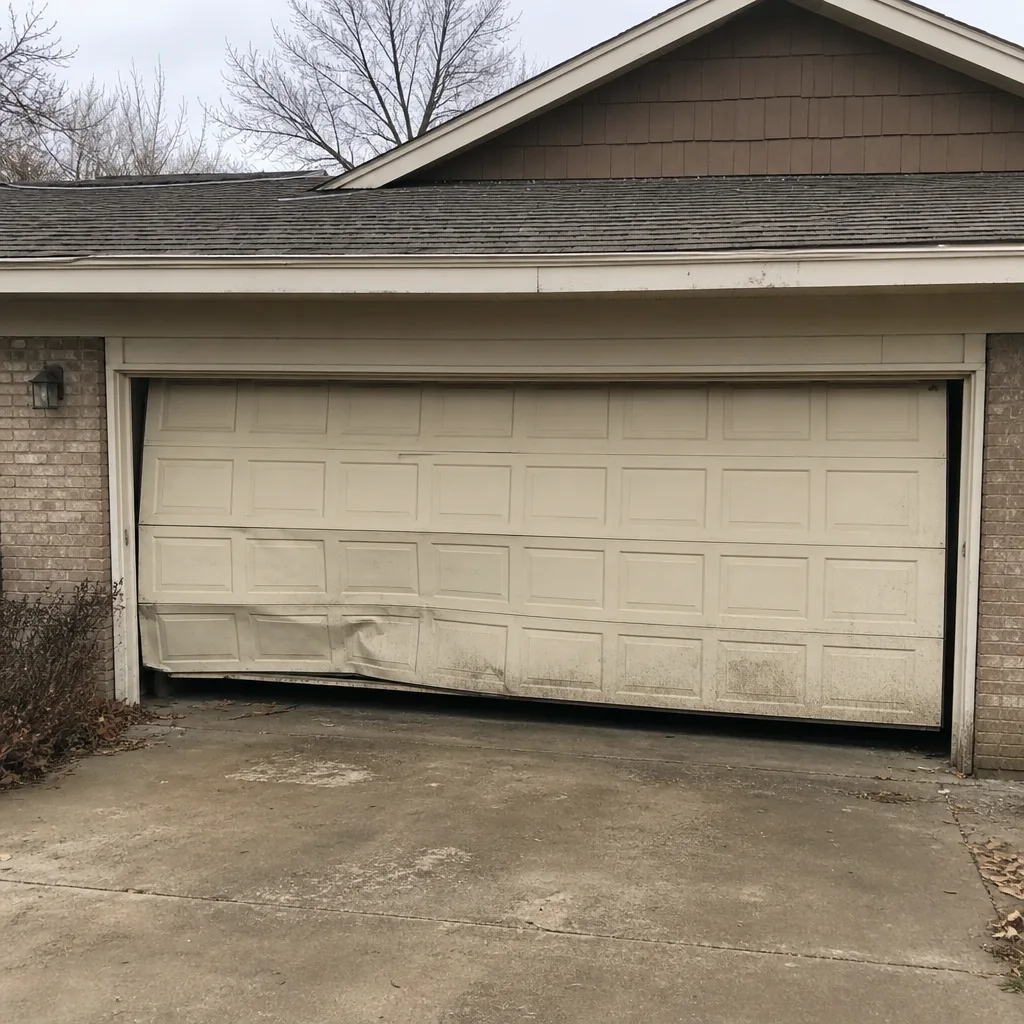 Before
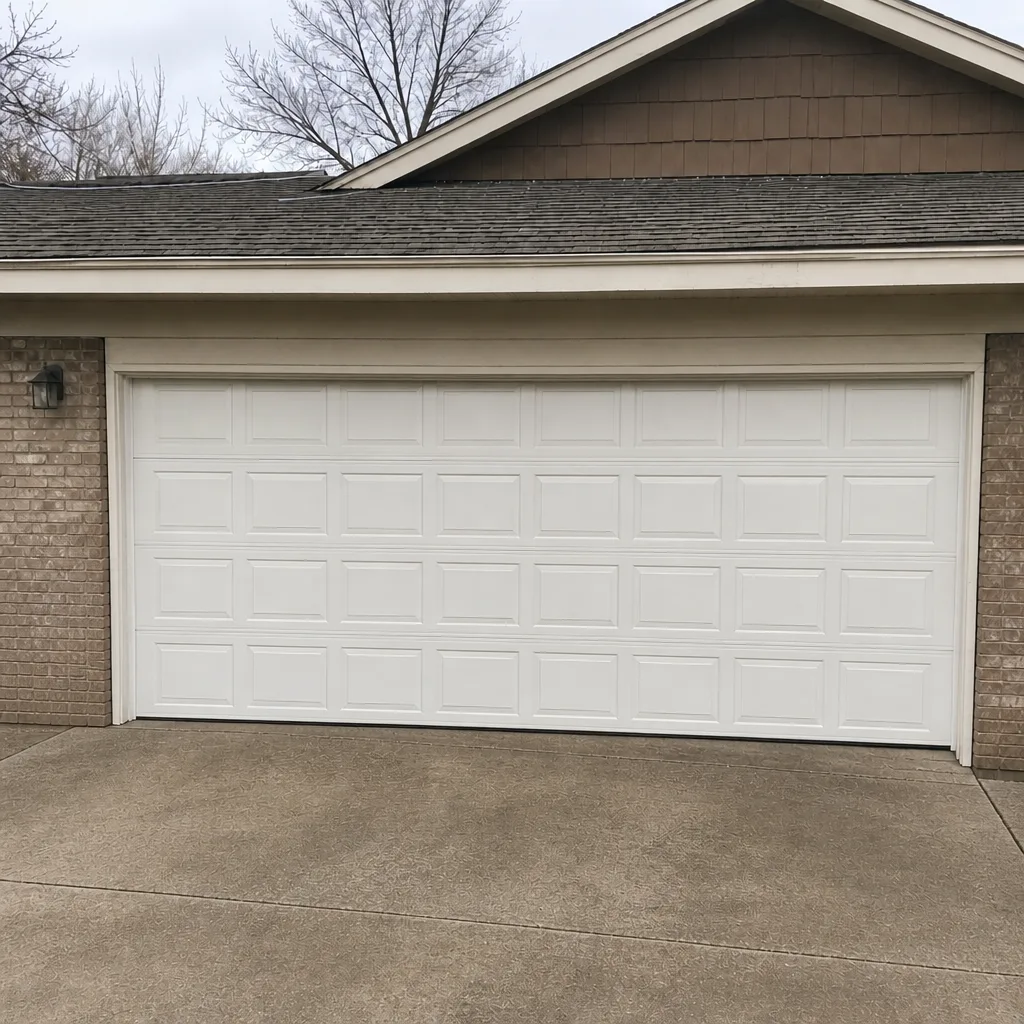 After
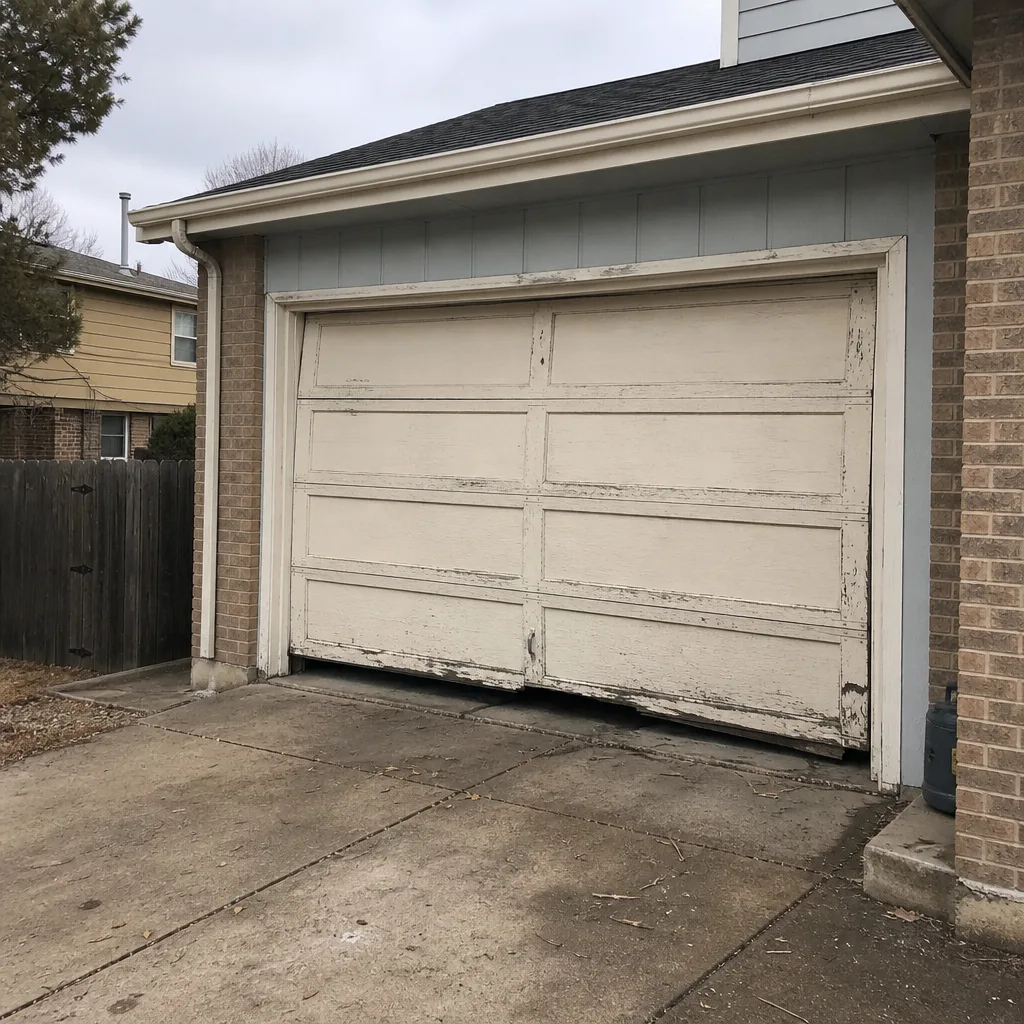 Before
 After
 Before
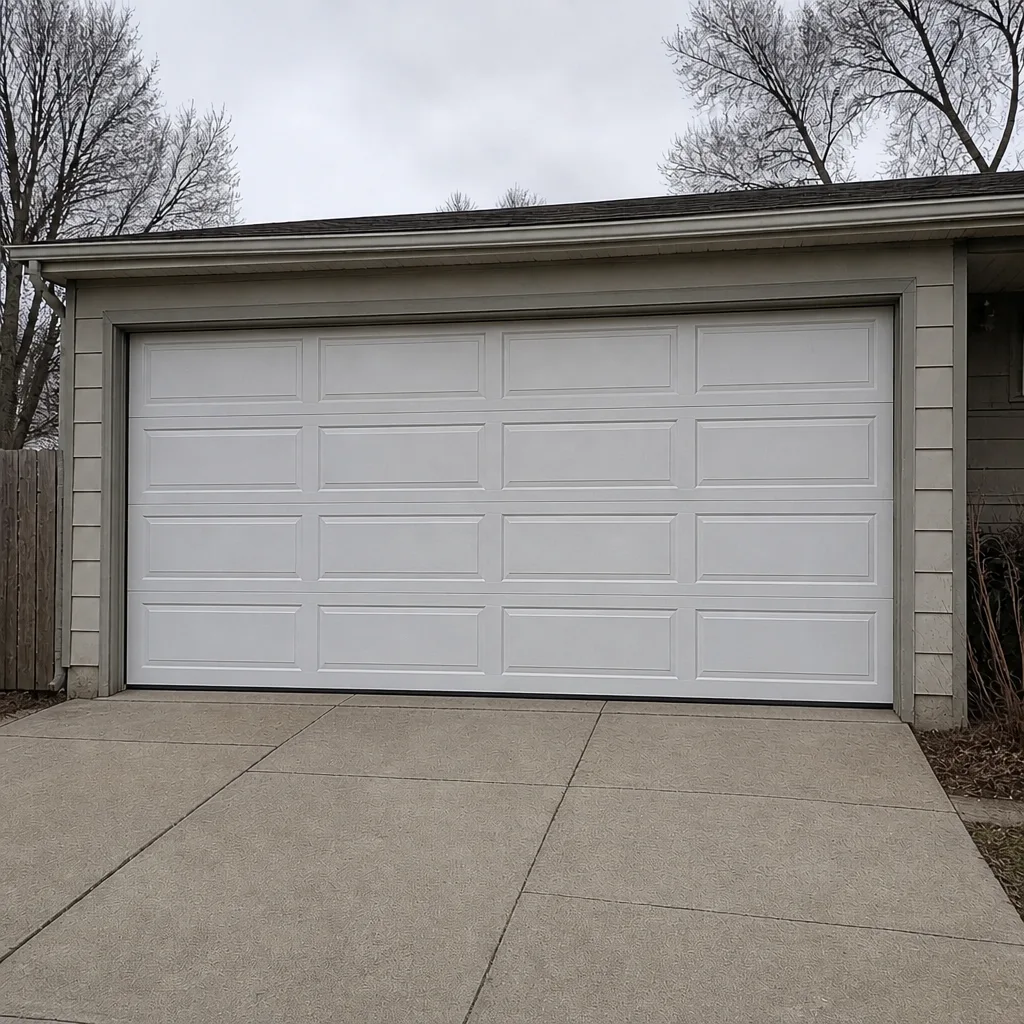 After
When to Call a Professional
Call a trained technician when the job involves high-tension springs, cables, or the opener’s electrical connections. Those are the parts of a garage door system that can hurt someone if they go wrong, and a permit doesn’t make the work safer; the technician does. Call us when you’re not sure whether your project crosses into permit territory and you want a trained eye to assess it before you order a door. Call us when you need an inspection-ready install and want the door/opener combination spelled out for the building department. Westminster Garage Door Repair Pros offers free estimates in Westminster and can talk through the permit question before any work begins. Call (844) 484-8234.
Frequently Asked Questions
Usually not for a like-for-like replacement of the door and springs with no structural or electrical changes. You do need a permit if the project changes the opening’s structure, the header, or adds electrical work like a new opener circuit. Confirm the exact scope with the City of Westminster’s building department or your county, because the jurisdiction depends on your address.
If the opener uses an existing outlet and circuit, a permit is usually not required. If it needs a new dedicated circuit, outlet, or wiring change, that electrical work typically requires a permit. Ask the building department about the electrical scope specifically, and keep the answer in writing. Call (844) 484-8234 and we’ll walk you through what your opener install involves.
Look up your property on the county assessor’s site and check whether your parcel sits inside the city’s incorporated limits or in an unincorporated pocket handled by the county. The lines don’t follow the street grid in an obvious way, so a neighbor’s answer may not apply to your house. Then call the correct building department with your address and the exact scope of work.
They’re separate processes. HOA architectural approval is about appearance; a city permit is about structure and safety. Most door replacements in Westminster don’t need a city permit, but anything touching structure or electrical does. Get HOA approval in writing first, then confirm permit requirements with the correct building department.
Call the city or county building department and ask about retroactive permitting for that type of work. They’ll tell you what plan and inspection are needed. Get the permit recorded so it shows at resale, and disclose it accurately in your seller’s property disclosure. It’s usually fixable and cheaper to fix before you list. Call (844) 484-8234 for an assessment of the electrical scope.
It can. It’s typically a disclosure item, not a deal-killer, but a buyer’s inspector may flag it and ask for a credit or a fix. The practical cost is time, since remediating after an offer is in place happens under pressure. Fix it before you list if you can. Call us for a free estimate on the repair scope, and we’ll tell you what’s involved.
The Bottom Line
Garage door permits in Westminster come down to scope, not the word “door.” A like-for-like swap of a door and springs usually doesn’t need one; a structural or electrical change usually does. Confirm which jurisdiction handles your address, get HOA approval before you order, define “like-for-like” honestly, and treat unpermitted work as a fix-it-now problem rather than a surprise at closing. The one thing no permit covers is the risk in the springs and electrical connections themselves, so leave those to a trained technician. If you want a straight answer on your specific project, call us at (844) 484-8234 for a free estimate.
Written by the team at Westminster Garage Door Repair Pros.