Last updated November 20, 2026
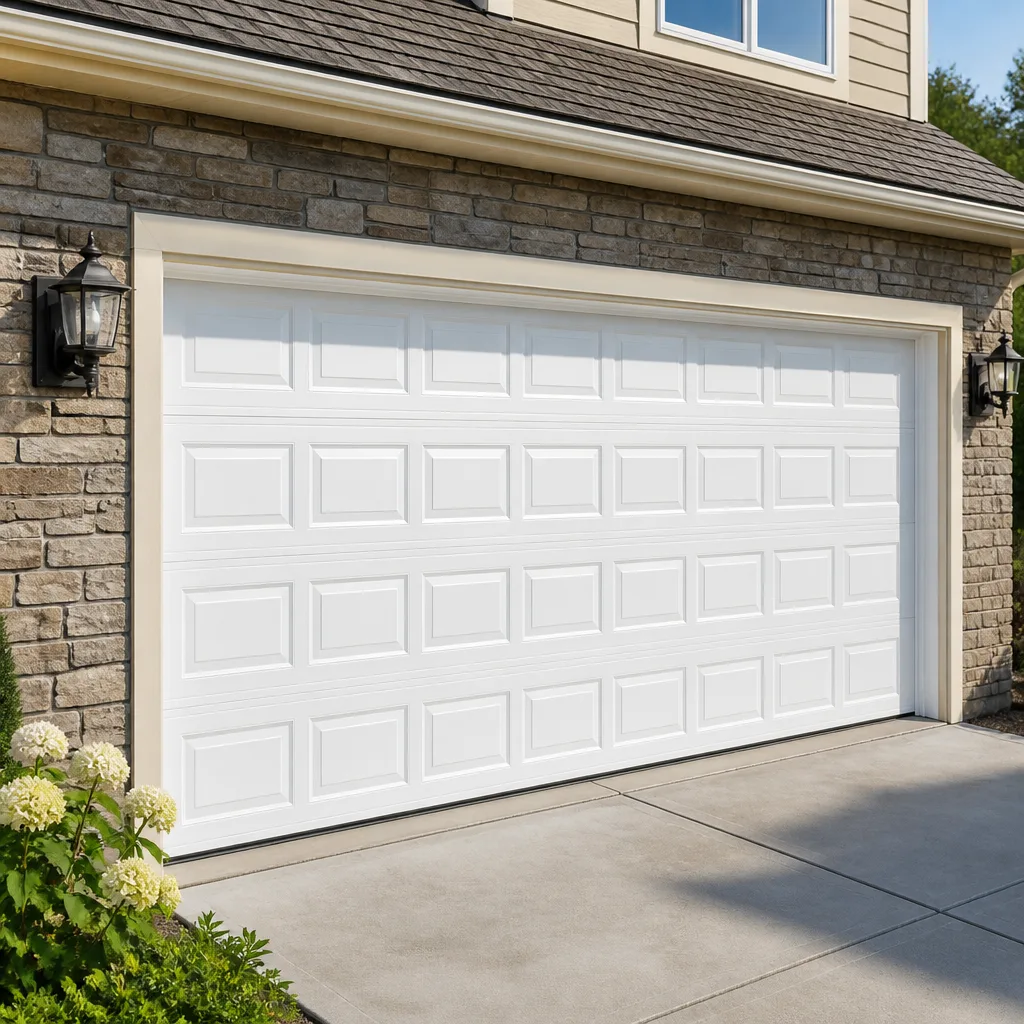 Raised-panel steel
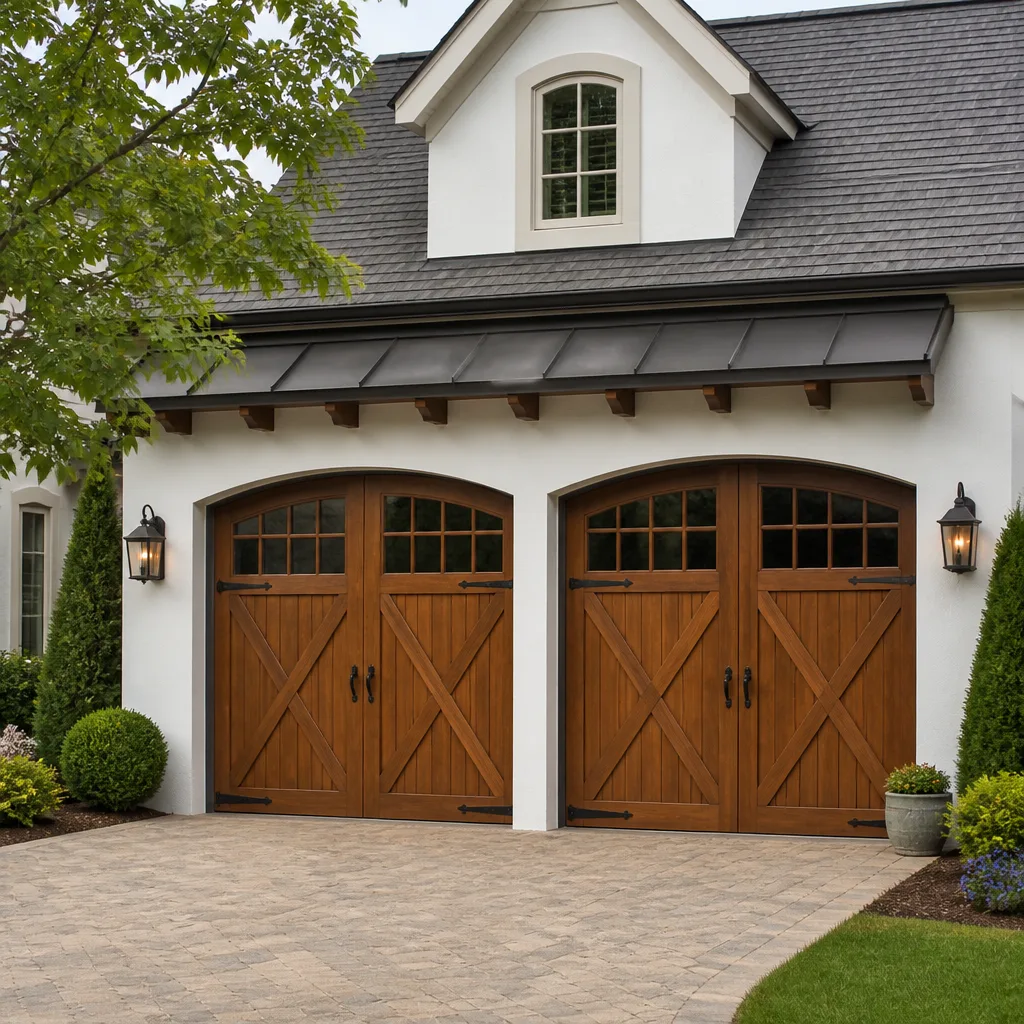 Carriage house
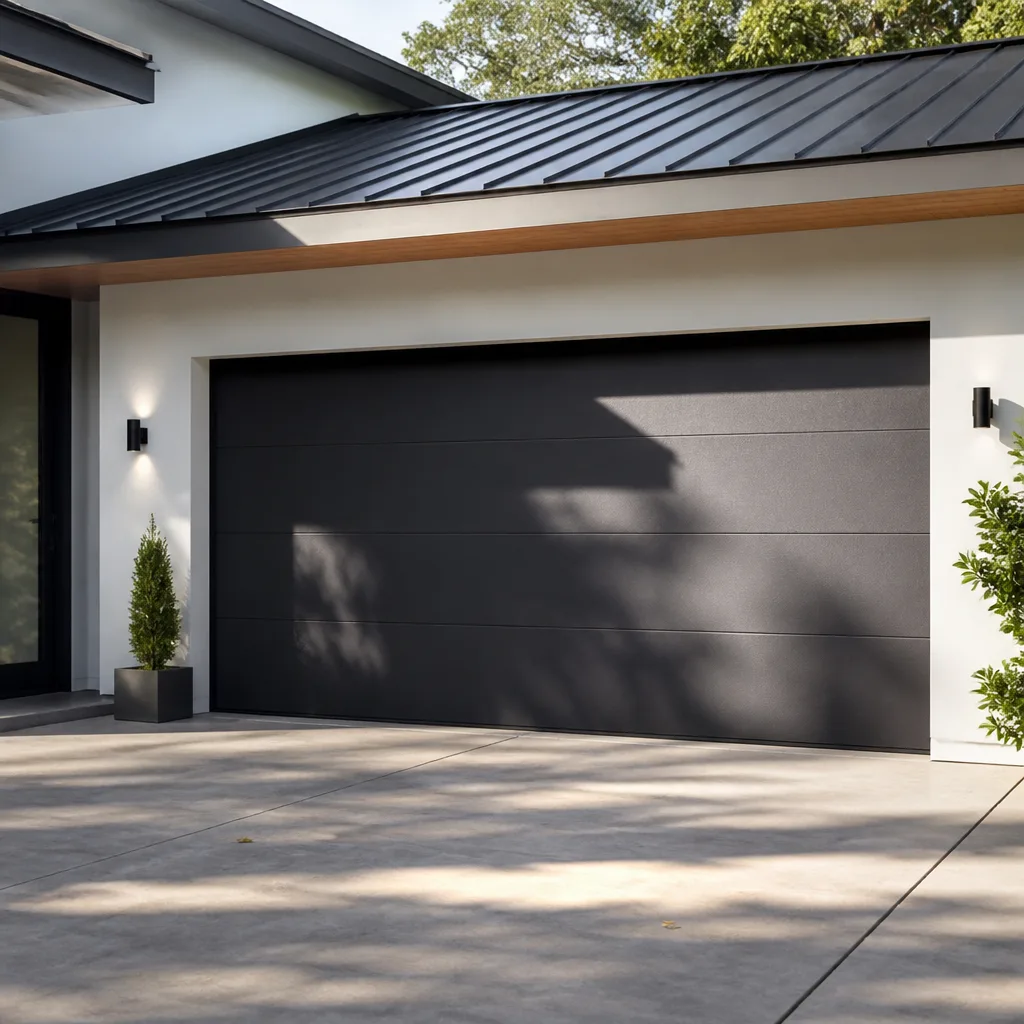 Modern flush
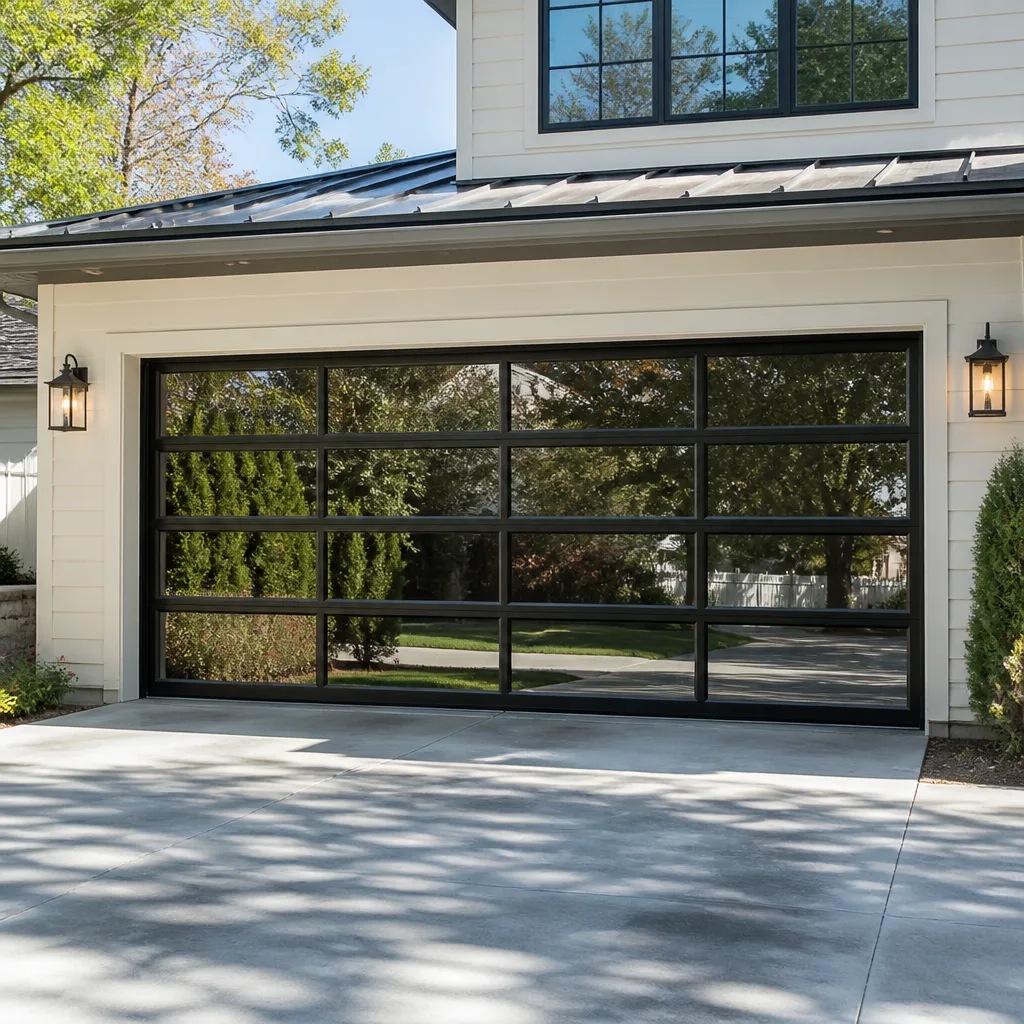 Full-view glass
 LiftMaster openers
 Chamberlain openers
Full 25-point door and opener safety check with every visit - springs, cables, rollers, tracks, and your LiftMaster or Chamberlain opener included
You get a price before we start. It does not change when the pro arrives.
Get your free estimateSeasonal Garage Door Care for Westminster: Year-Round Homeowner’s Guide
Westminster’s March does more damage to garage door hardware than January does. That’s the counterintuitive truth about caring for a door on the Front Range: the freeze-thaw cycling of our shoulder seasons works springs, seals, and tracks harder than sustained cold ever will. A door that survived a 10-degree January night without complaint can start squealing in April, not because anything new broke, but because a spring spent the winter expanding and contracting twice a day. This guide maps garage door care to what Westminster’s climate is actually doing, not to tidy calendar quarters. You’ll learn what fails in each transition, what to check yourself, and what to leave to a technician.
Quick Answer
Seasonal garage door care in Westminster should be timed to the freeze-thaw cycles that bracket winter, not to the four seasons on a calendar. Before winter, lubricate moving parts and audit weatherstripping; after winter, inspect torsion springs and bottom seals for freeze damage. Summer care centers on UV degradation and heat expansion, and spring and fall storm seasons call for hail inspection. Realistically, that means two annual checkups: one in late fall before the first hard freeze and one in early spring after the last one.
Styles & brands we work with
- Raised-panel steel
- Carriage house
- Modern flush
- Full-view glass
- LiftMaster openers
- Chamberlain openers
Table of Contents
- Why Westminster’s Climate Tests Your Garage Door Differently
- Spring: What the Freeze-Thaw Cycle Leaves Behind
- Summer: UV, Heat Expansion, and Opener Heat Stress
- Fall: The Pre-Winter Prep That Actually Matters
- Winter: Sub-Zero Temps and Opener Force Settings
- Storm Season: A Hail Damage Checklist for the Front Range
- Your Westminster Garage Door Care Calendar
Why Westminster’s Climate Tests Your Garage Door Differently
Westminster sits in a climate that doesn’t do gentle transitions. A day in March might climb into the 60s and then drop below freezing that night. That swing, repeated dozens of times each shoulder season, is what separates garage door care here from care in a place with a slower, wetter rhythm or one that gets long uninterrupted cold. When we inspect a door in Westminster, we’re looking at hardware that has been asked to expand and contract on a much tighter schedule than its design engineer likely pictured.
What that cycling does, in plain terms:
- Springs: Steel under tension responds to temperature by changing its stiffness slightly. A torsion spring that’s near the end of its working life will start to show fatigue faster when it’s repeatedly loaded cold and unloaded warm.
- Bottom seals: Rubber and vinyl weatherstripping that meets a freezing driveway can stiffen, crack at the fold, or peel away from its fastener track. Once water gets behind a seal, it freezes and pries the seal loose.
- Tracks: Metal tracks move more than you’d expect on a day that swings 40 degrees. Fasteners that were snug in October can work loose by April.
- Opener force settings: Motors and the drive components they push feel resistance differently in cold versus warm air, which is why a door that opens smoothly in summer can slow noticeably on a cold morning.
The upshot: Westminster homeowners get more out of two well-timed checkups than out of four routine ones spaced evenly through the year. Care timed to the actual climate does more than care spread thin across the calendar. If you haven’t had a professional look at your door’s moving hardware in a while, a trained eye can spot early fatigue before it becomes a snapped spring. That’s the kind of work we connect Westminster homeowners with through garage door repair.
Spring: What the Freeze-Thaw Cycle Leaves Behind
Spring is the most important inspection window on your garage door’s calendar. Winter’s freeze-thaw cycling leaves behind fatigue and small failures that are cheap to catch now and expensive to discover later. The single most valuable thing you can do in spring is have the springs and bottom seal looked at by someone who knows what torture-testing looks like on these specific components.
Torsion springs after winter
Torsion springs and their partner cables live under extreme tension. They are the highest-risk component on the whole door, and spring work is one of the few garage door repairs where a homeowner should genuinely not attempt a fix. Spring fatigue shows up as a door that’s suddenly harder to lift by hand, a door that slams the last few inches down instead of settling, or a visible gap or bend in the coil. A snapped torsion spring usually announces itself with a loud bang.
What we recommend in spring: have a technician check the spring’s condition, cycle count, and the cables and drums it connects to. This is exactly the kind of hands-on spring work we specialize in, and it’s the reason we name it as its own service. Springs are dangerous enough that they don’t belong in a general handyman’s toolkit.
Bottom seals and the freeze-thaw problem
The bottom seal is the piece of weatherstripping along the bottom edge of the door. Winter can leave it stiffened and cracked. If you can run your hand along the seal and feel hard spots, splits, or places where it’s pulling away from the door, it needs replacing. A failing bottom seal lets in cold air, moisture, and pests, and in our part of Colorado that moisture freezing in the seal track can damage the door itself over time.
Five spring inspection priorities for Westminster homeowners
- Listen and look for spring fatigue: a door that sounds rough at the start of its travel is telling you something.
- Check the bottom seal for cracking and pull-away along its entire width, not just the middle.
- Inspect track fasteners for looseness that appeared over the winter.
- Test the door balance: a properly balanced door should hold position when you release it partway up. If it slides, the springs need attention from a technician.
- Look at the door’s overall alignment in the frame and watch for rubbing or scraping during travel.
Do the first four by eye and by hand; the fifth you can do by watching the door cycle. For anything that requires touching the springs or cables, get a technician. This is where we see the biggest gap between what homeowners try on their own and what’s actually safe.
Summer: UV, Heat Expansion, and Opener Heat Stress
Summer in Westminster brings bright, intense sun and wide daily temperature swings. The two biggest threats this season are UV degradation on doors with wood or composite panel surfaces, and heat-related stress on the opener motor.
UV and panel surfaces
Wood-faced and composite doors (and many of the Clopay and Amarr models popular in the area) take direct UV over the long days of high-altitude sun. The sun’s intensity at Westminster’s elevation is meaningfully stronger than at sea level, which accelerates fading on painted surfaces and dries out wood fibers. What that looks like on a neglected door: fading that starts subtle and turns chalky, paint flaking at the panel seams, and in wood doors, grain that starts to check or crack.
What actually helps: a wash a couple times a season to remove baked-on dust, a re-coat of paint or sealant on wood or composite surfaces every few years as the finish starts to dull, and a look at panel seams for the first signs of separation. If your door has a factory finish, follow the maker’s guidance; it’s usually printed in the panel documentation that came with the door.
Heat expansion in tracks
Track sections are steel and they expand when the sun bakes them. A track that’s snug in the morning can tighten subtly by afternoon. Over a summer, that movement can work fasteners loose. A simple visual check once a month or so is enough: watch the door travel and listen for new grinding or popping. If you hear it, tracks need adjustment.
Opener heat stress
A garage that faces the afternoon sun can get genuinely hot, and a garage door opener motor running in that heat has less margin than one in a shaded space. Signs the opener is heat-stressed: slower travel on hot afternoons, intermittent stopping mid-travel, or the opener needing a second press of the button to engage. If your opener is a LiftMaster, Chamberlain, or Genie, and it’s acting up in the heat, it’s worth having it checked rather than waiting for it to fail outright. That’s part of our garage door opener repair work.
Fall: The Pre-Winter Prep That Actually Matters
There’s a lot of generic advice about “winterizing” a garage door. Some of it matters. Some of it is filler. Here’s the honest split for a Westminster homeowner heading into winter.
What matters
- A full weatherstripping audit. Check the bottom seal, the side seals at the jambs, and the top seal. Any gap or split becomes a source of cold air, moisture, and pest entry all winter. This is the single highest-value fall task.
- Lubrication before the cold sets in. Lubricate the opener rail, the rollers, the hinges at their pivot points, and the tracks (light grease only on the tracks, not oil). Lubrication applied in warm weather sets up correctly and stays put better than oil applied the week it freezes.
- Balance check. If the springs are getting fatigued, you want to know before a cycle of cold weather pushes them over the edge.
- Opener force setting review. More on this in the winter section.
What’s mostly filler
- Painting a door “for the winter.” Paint protects against UV more than winter. Do it in late spring or early summer if you’re doing it at all.
- Covering the door in plastic. A truly sealed garage door doesn’t need a cover, and a plastic sheet traps moisture against the panel surface.
- A full professional tune-up as a fall routine. If nothing’s wrong and the door was serviced recently, you don’t need one every single fall. Have a technician out when you notice something, or when it’s been long enough that you can’t remember the last check.
The fall checklist above, done properly over a Saturday morning, is most of what preparing a Westminster garage door for winter actually requires. The rest of the list mostly exists to fill out someone’s content calendar.
Winter: Sub-Zero Temps and Opener Force Settings
When temperatures dive below zero, the biggest single thing that changes in your garage door system is how hard the opener has to work. Cold air thickens lubricants, stiffens door rollers, and makes the door’s travel a little tighter. Opener motors respond by drawing more current to push through that resistance. Older motors and those already near their limits can trip the safety circuit and give up mid-travel.
How the big brands handle cold
The three most widely installed residential opener brands on the market – LiftMaster, Chamberlain, and Genie – each have their own approach to force adjustment. All of them build in some cold-weather tolerance, but none of them is designed to run at the ragged edge indefinitely.
On LiftMaster and Chamberlain units (they share much of their control electronics), force is usually set through the control panel or remote programming, and the manual spells out the exact sequence. Genie’s approach varies by model and vintage. On older or mechanically adjusted units, a physical adjustment screw is involved.
Adjusting without voiding the warranty
Here’s the part most people miss: manufacturer warranties typically cover defects in materials and workmanship, not changes made during adjustment. The safe path is to look up your exact model’s manual, follow the printed force adjustment procedure precisely, and keep a record of what you changed. If the door still needs help after a factory-spec adjustment, the problem isn’t the force setting; something else is causing the extra resistance, and forcing the motor harder is the wrong answer.
If you can’t confidently identify your model or the adjustment procedure, have a technician handle it. We work on all three of these brands routinely, and knowing the difference between a force-setting issue and a worn roller saves a lot of trial and error.
Winter signs you shouldn’t ignore
- The opener reverses itself partway up on cold mornings.
- The door opens more slowly than it used to, only when it’s cold.
- The opener light flickers or the motor clicks but doesn’t engage.
- You smell a hot motor after a normal cycle.
Any of these can mean the opener is being asked to push past its safe limit. A trained technician can diagnose whether it’s the force setting, a binding door, or a motor approaching failure. We cover the diagnosis and repair as part of our opener work.
Storm Season: A Hail Damage Checklist for the Front Range
Westminster and the surrounding Front Range see some of the most intense hail seasons in the country. Hail rarely destroys a garage door outright, but it leaves marks that shorten its life if they’re not caught. The good news is a post-storm inspection is fast and mostly visual.
What to check after a hail event
- Panel surfaces: look for dings, dents, and paint chips on steel and aluminum panels, and for dings in composite or wood faces. Hail damage on a panel is often easier to see with the door down and the garage lights on.
- Window and glass inserts: inspect for cracking, chips, and stress fractures at the frame edges.
- Seals and weatherstripping: hail can tear the bottom seal and the side seals, especially in older houses.
- Hardware: look at hinges, rollers, and the opener’s photo-eye brackets for bent or displaced parts.
- Track alignment: a large enough hit can nudge a track off alignment; watch a full cycle and listen for scraping.
- Paint finish: chips in finish expose the metal underneath, and once moisture gets under the paint, the damage spreads.
When a hail hit is cosmetic versus structural
A minor dent on a steel panel is usually cosmetic and doesn’t affect the door’s function. But if a panel is deformed enough that it drags on the track, the door is a balance problem and needs professional attention. Cracks in a wood or composite panel are structural. If you’re not sure, a quick professional look is inexpensive compared to letting the damage compound. Westminster Garage Door Repair Pros offers free estimates on panel replacement and full doors, and our garage door installation work includes new Clopay, Amarr, and Wayne Dalton doors when hail damage is beyond repair.
Your Westminster Garage Door Care Calendar
Here’s what the whole year looks like when you strip it down to what the Westminster climate actually asks of a garage door:
- Late fall (before the first hard freeze): full weatherstripping audit; lubricate the opener rail, rollers, hinges, and light-grease the tracks; do a balance check; confirm force setting is factory-spec.
- Winter (ongoing): listen for new sounds on cold mornings; watch for the opener reversing or slowing; check the door travel once a month.
- Early spring (after the last hard freeze): professional spring and cable inspection; bottom seal inspection; track fastener check; balance re-check.
- Late spring or early summer: panel surface wash and finish maintenance; UV re-coat on wood or composite doors if needed.
- Summer (ongoing): monthly visual check of tracks and opener performance in the heat.
- Spring and fall storm events: run the hail checklist above.
That’s six touchpoints, most of them small, and together they cover the climate that actually stresses a Westminster garage door. This isn’t a rigged schedule built to keep a technician coming back every three months; it’s the shape of care that fits our specific spring-and-fall transitions.
If you’d rather not track all of it yourself, Westminster Garage Door Repair Pros is a call away. Our technicians have up to 11 years of experience on the exact hardware you have, and we work across all eight of the major brands – Genie, Clopay, Amarr, Wayne Dalton, LiftMaster, Chamberlain, Craftsman, and Raynor. A single visit can cover an inspection, an adjustment, and any parts your door needs.
Common Mistakes to Avoid
- Treating spring care as an island. Westminster’s freeze-thaw cycling means the door’s springs, seals, and tracks need attention at the shoulder seasons, not once a year. Skipping the March inspection is the single most common seasonal mistake we see.
- Spraying grease into a torsion spring. Springs aren’t supposed to be grease-packed, and getting grease into the coil attracts dirt that eats the surface. Leave the spring itself to a technician.
- Painting the door in winter. A door painted in cold weather won’t cure correctly, and a flaking finish is exactly what a Colorado Front Range sun makes worse. Paint in late spring or early summer.
- Ignoring a loud noise in the cold. A grinding or banging sound on a cold morning is often a sign that a roller or the door itself is binding, and pushing through it damages the door. It’s a “get it looked at” problem, not a “wait and see” problem.
- Adjusting opener force settings without checking the door first. Turning up the force to compensate for a door that’s dragging is exactly the wrong fix. Find out why the door is dragging, then adjust.
- Judging hail damage by feel. A little ding looks harmless but damages the finish and can rust. A chip in the paint on a steel panel should be touched up, not ignored.
- Assuming a warm-season check covers the winter. Cold temperatures change how the door and opener behave. The check that matters for winter is the fall one, not one held over from August.
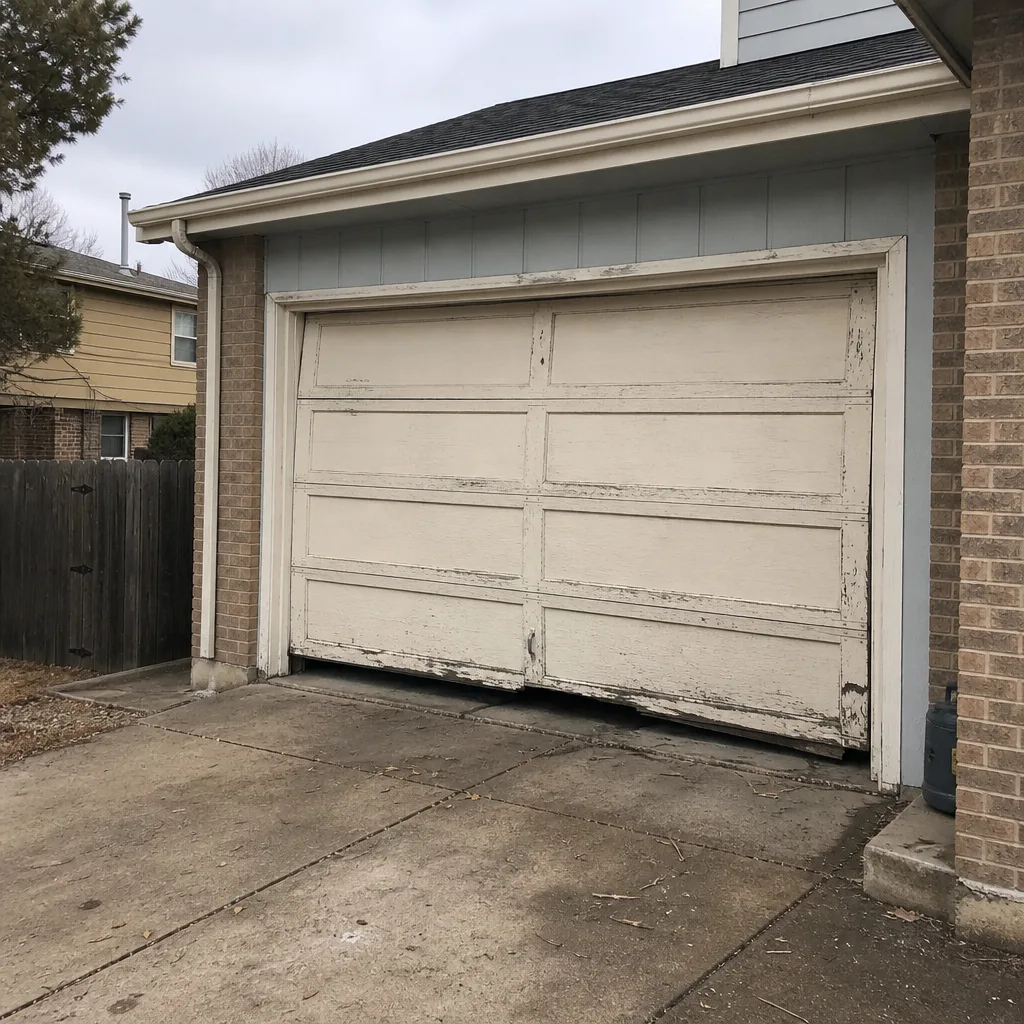
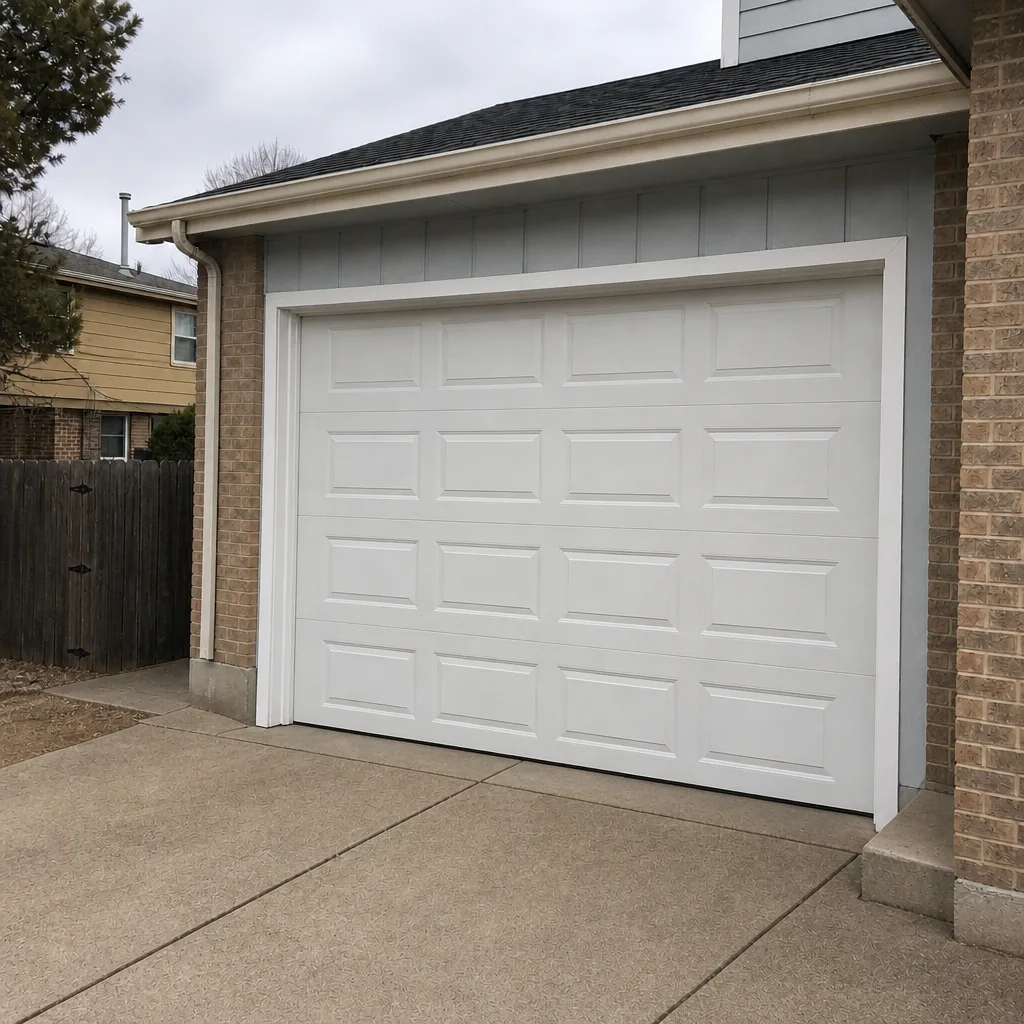
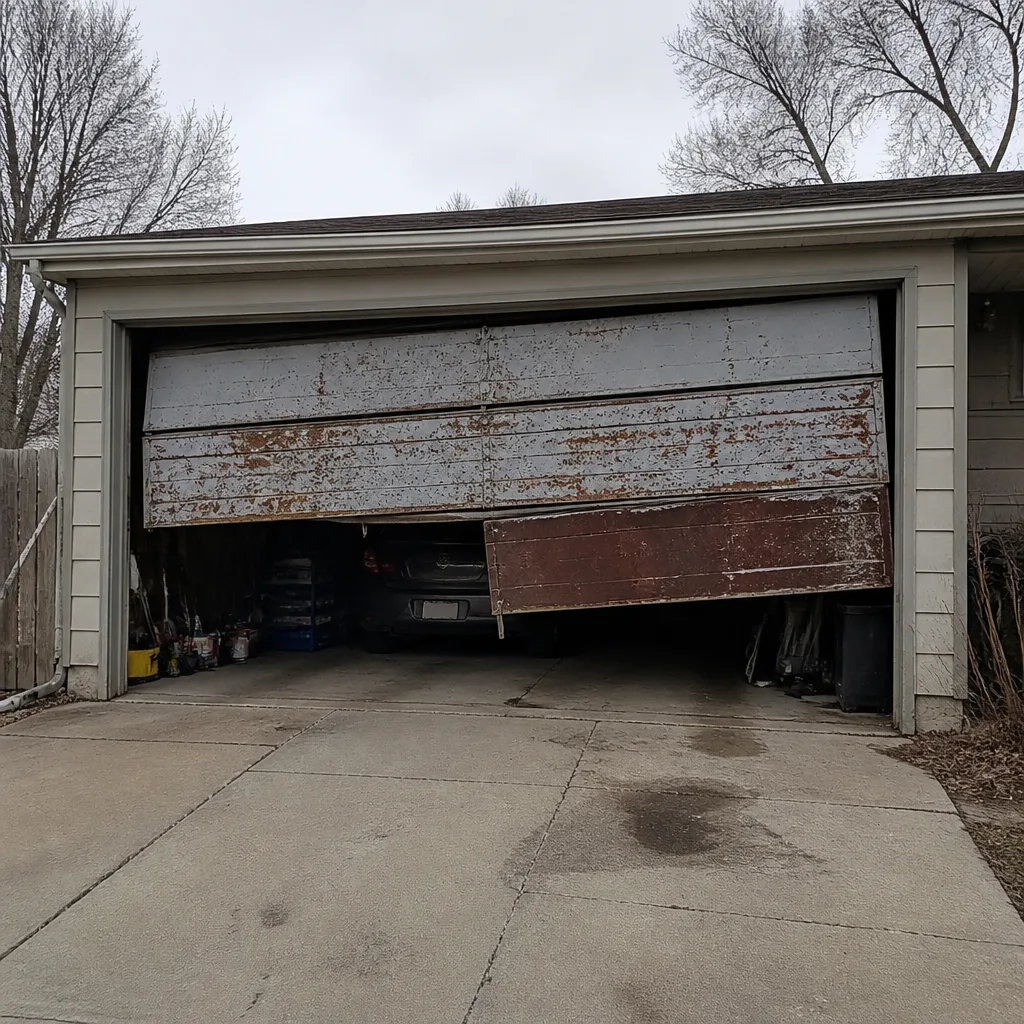
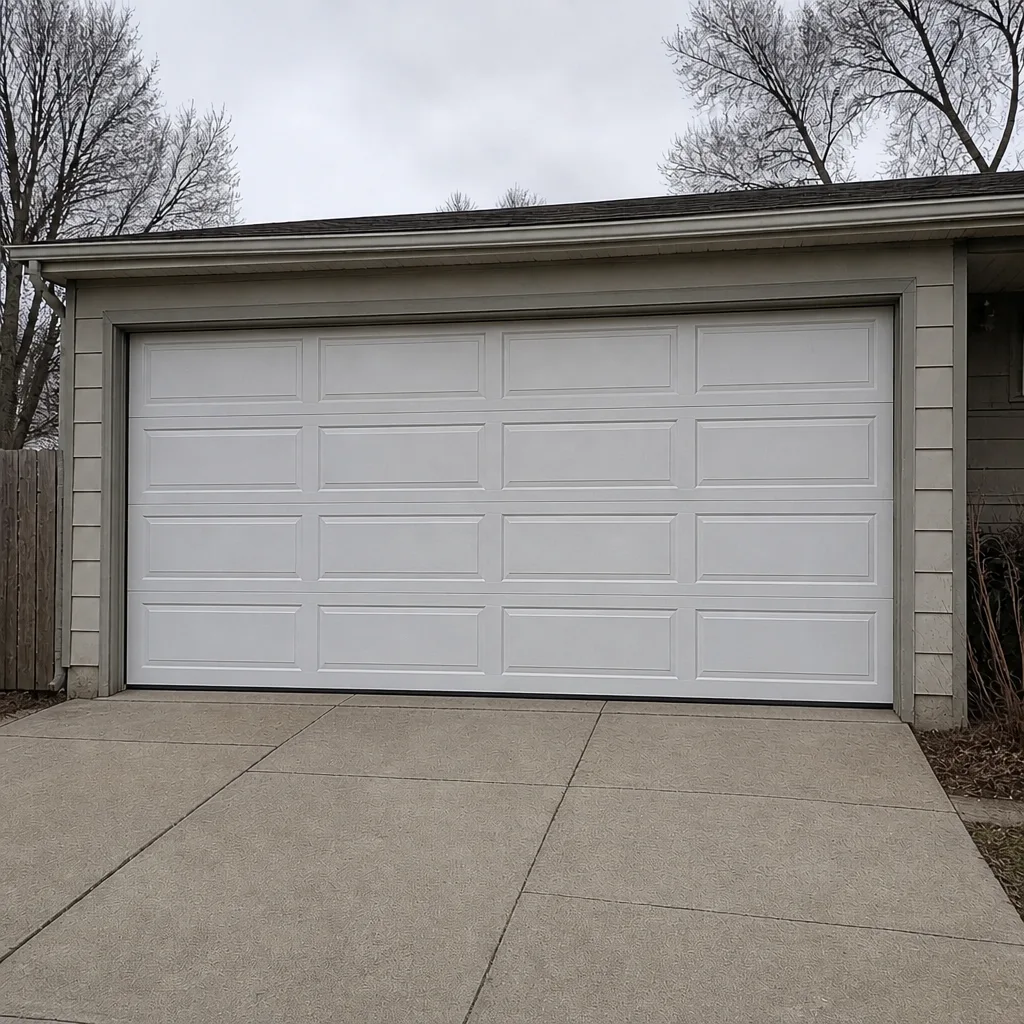
See the difference
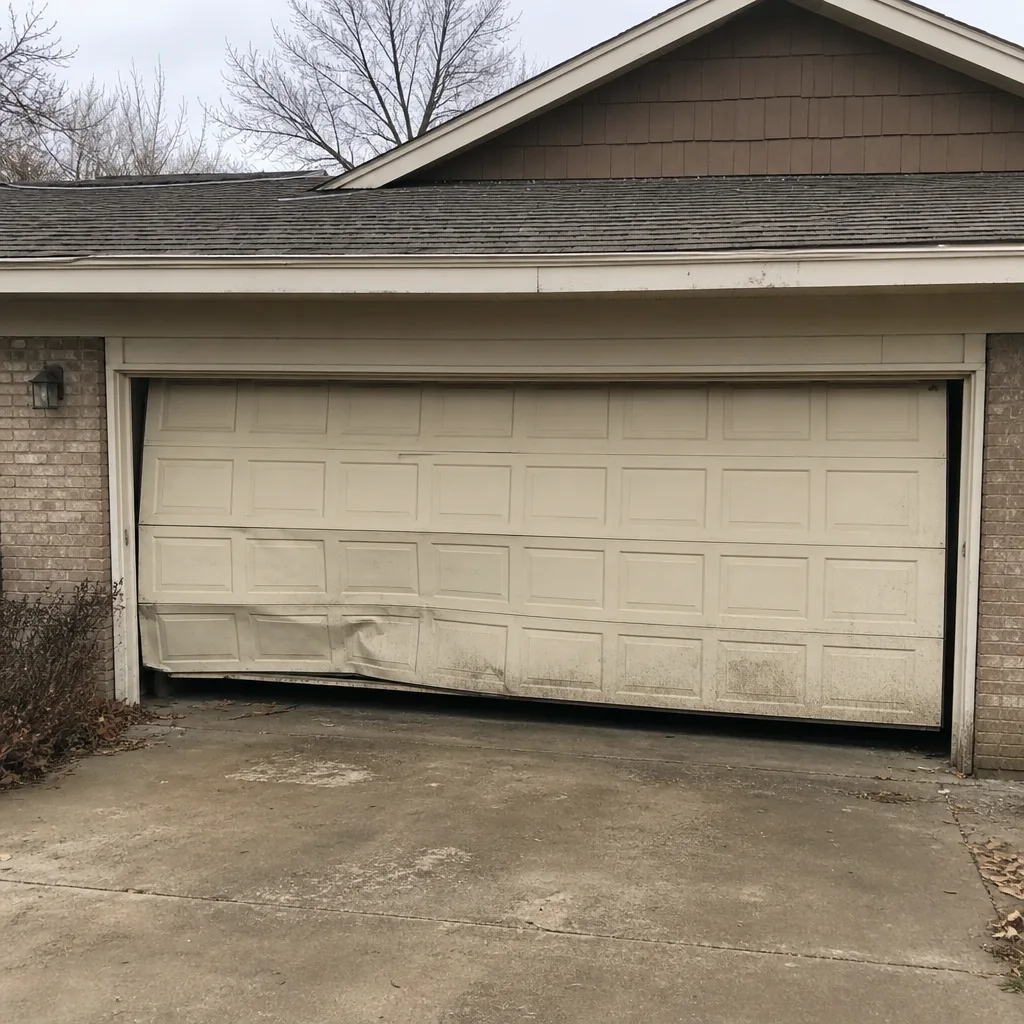 Before
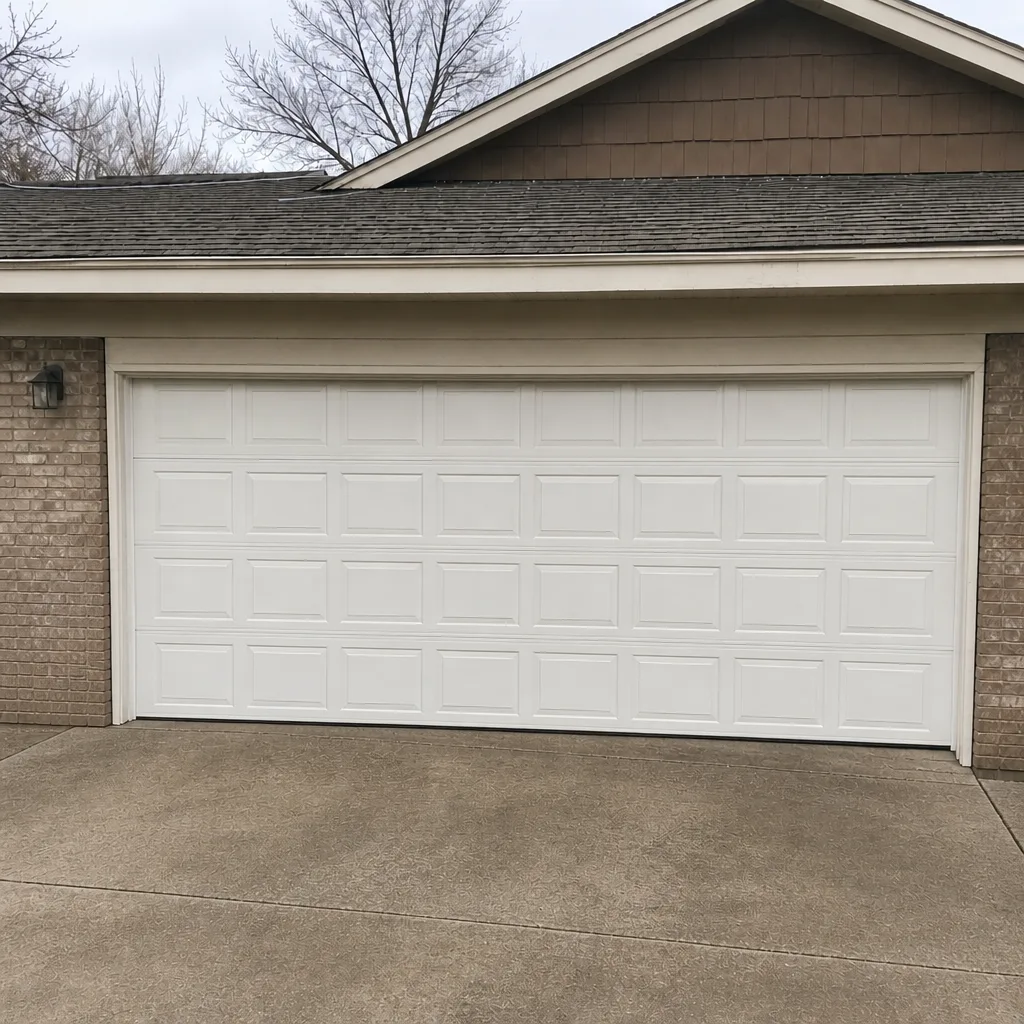 After
 Before
 After
 Before
 After
When to Call a Professional
Not every issue needs a tech visit, but some definitely do. Call a professional if you notice any of the following. Your door is noticeably harder to lift by hand, or it won’t hold its position when you release it partway up; either points to a spring or balance issue, and both are hazardous. You see a visible bend, gap, or break in a torsion spring or its cable. Your opener is reversing partway up, clicking without engaging, or running noticeably hotter than it used to. Your door has visible dents or panel damage after a hail event. And anytime your door won’t be able to run through a full open/close cycle on demand, you’ve got an emergency situation and no reason to wait.
Westminster Garage Door Repair Pros offers free estimates in Westminster. We diagnose by brand logic, work the exact hardware you own, and back it with parts on hand. Call (844) 484-8234 to schedule.
Frequently Asked Questions
Two timing points matter most: late fall, before the first hard freeze, and early spring, after the last one. The fall visit gets weatherstripping and lubrication ready for winter; the spring visit catches freeze-thaw damage to springs and seals. A single well-timed visit in one of these windows usually does more than a full-year tune-up spread across the calendar.
The most reliable signs are a door that’s much harder to lift by hand, a door that settles or slams instead of holding mid-travel, and audible changes in the sound the door makes. A broken spring usually makes a loud bang. Have a technician look at it: torsion springs store a great deal of energy and are not a safe DIY item, regardless of how small the visible issue seems.
It depends on your opener and what the manual says. The safe route is to look up the exact procedure for your model and follow it precisely; a factory-spec adjustment made according to the manual generally doesn’t void the warranty. If you can’t identify your model or the procedure doesn’t resolve the problem, a technician is the better answer. A force setting is a symptom, not the root cause.
Hail damage shows up as dings and dimples on the door’s panels, chips in the paint finish, and cracks or chips in window inserts. On steel and aluminum doors, dents are usually cosmetic; on wood or composite doors, cracks are structural. Fall storm seasons on the Front Range can generate large hail, so a quick visual pass after each storm is worth the five minutes.
Twice a year is a solid default: once in late fall before the cold sets in, and once in spring after it lifts. Lubricate the rollers, hinges, opener rail, and lightly grease the tracks. The spring itself shouldn’t be greased. If your door gets heavy daily use, a mid-summer touch-up on the rollers isn’t a bad idea.
The local professionals we connect Westminster homeowners with are licensed and insured as their state requires. Westminster Garage Door Repair Pros works with homeowners across the city to schedule a technician who is vetted and equipped to handle your brand. Our technicians have up to 11 years of experience across the eight major door and opener brands. Call (844) 484-8234 for a free estimate and we’ll confirm the details for your job.
The Bottom Line
Seasonal garage door care in Westminster works best when it’s timed to the actual climate rather than the calendar. The freeze-thaw cycles of March and October stress springs, seals, and tracks harder than the long winter does. Fall is for weatherstripping and lubrication; spring is for inspecting what winter left behind; summer is about UV and heat; storm season is for hail checks. Two well-timed visits and a handful of minute-long monthly checks cover the year. And when something looks off, especially around springs or the opener, get a trained eye on it. Westminster Garage Door Repair Pros is a phone call away at (844) 484-8234.
If you’re reading this and thinking your door hasn’t been checked in a while, there’s no better time than now. Call (844) 484-8234 for a free estimate, and we’ll help you figure out what your door actually needs this season.
Written by the team at Westminster Garage Door Repair Pros.