Last updated November 20, 2026
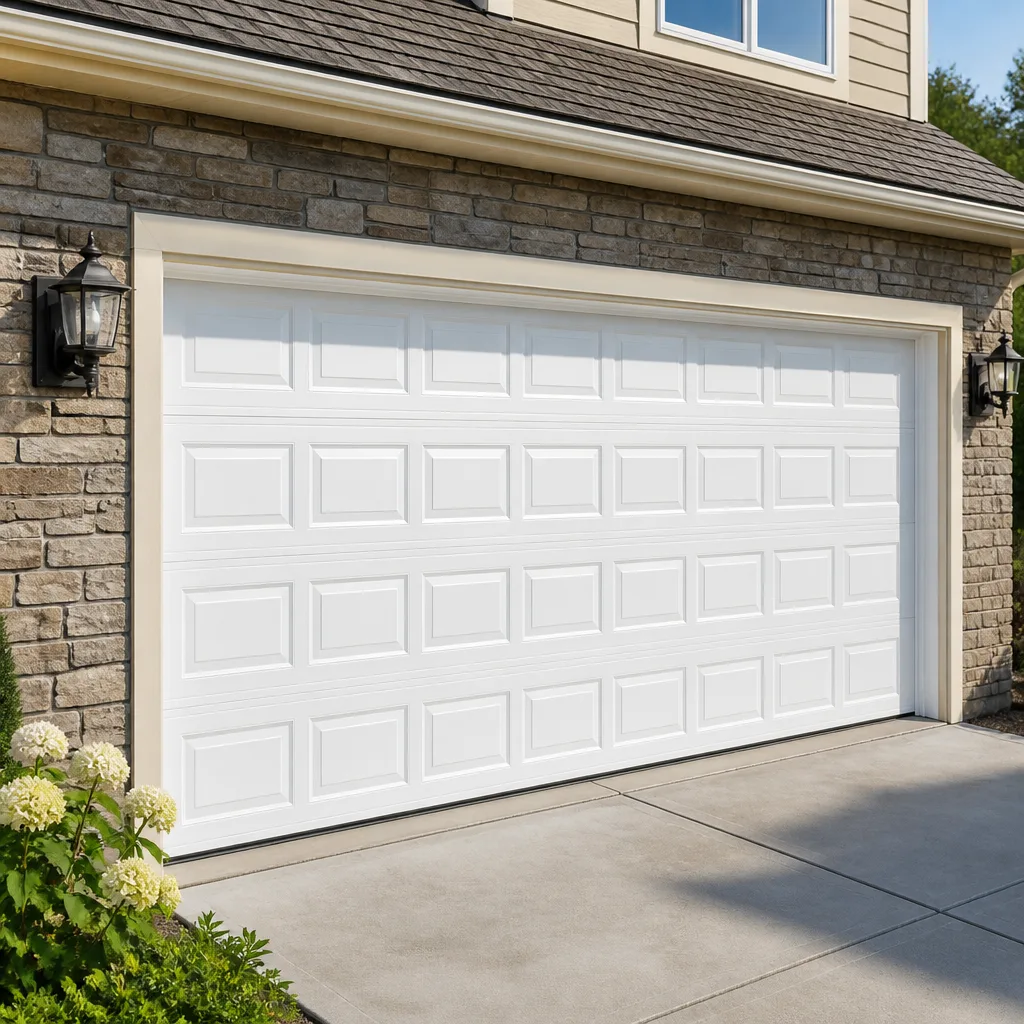 Raised-panel steel
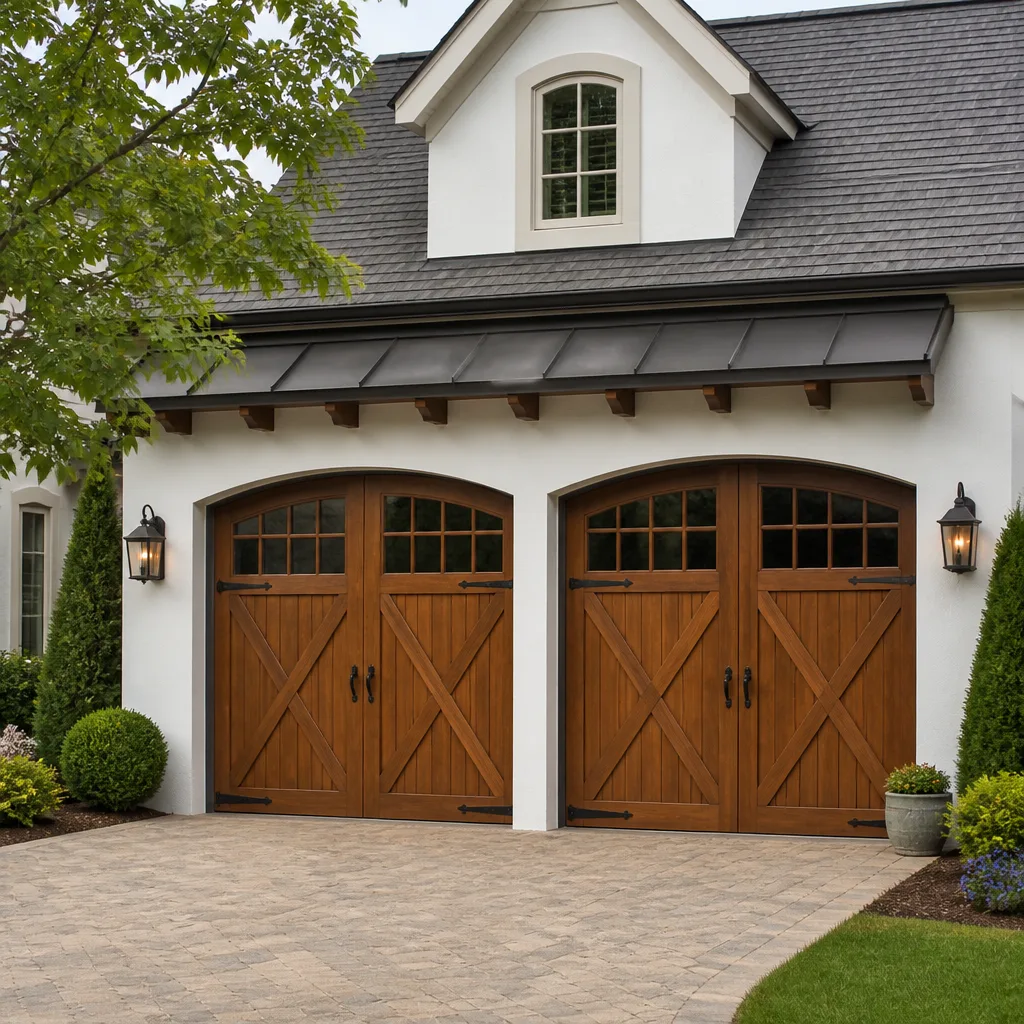 Carriage house
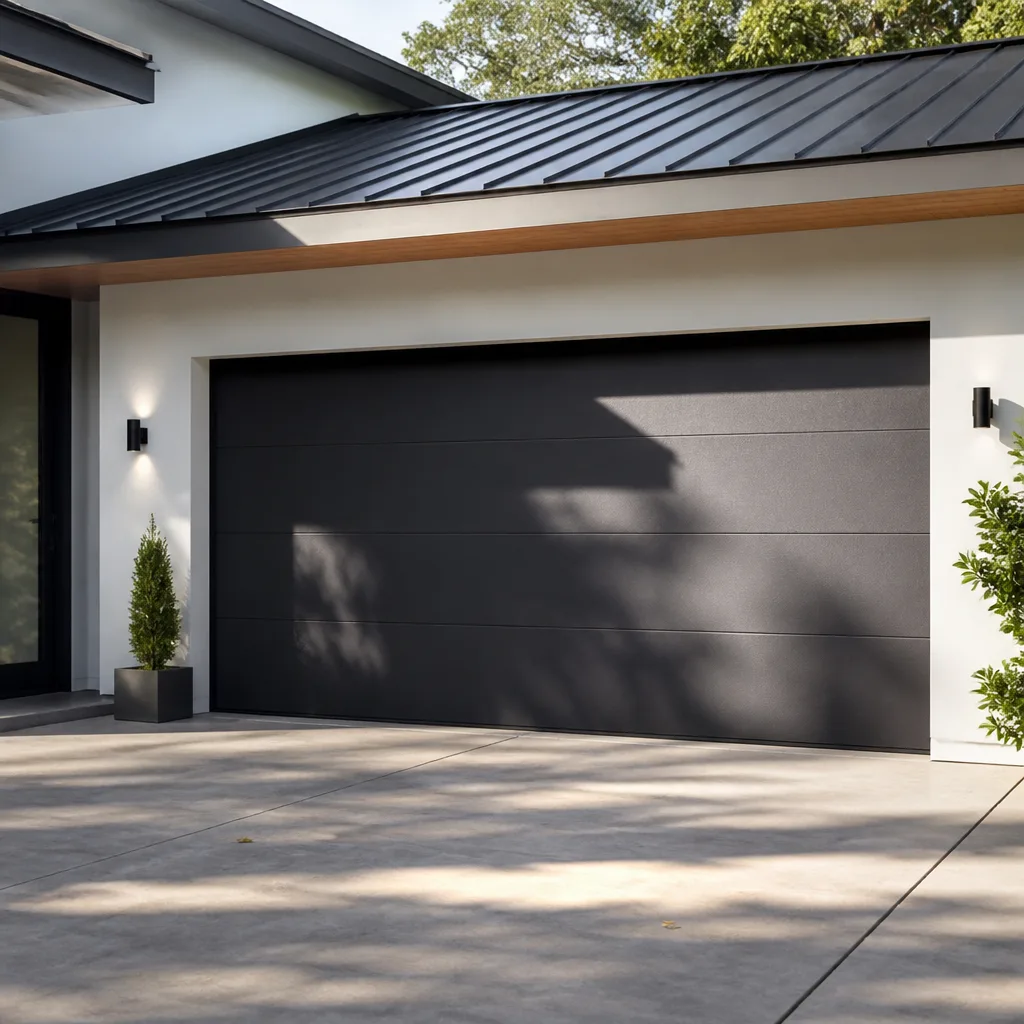 Modern flush
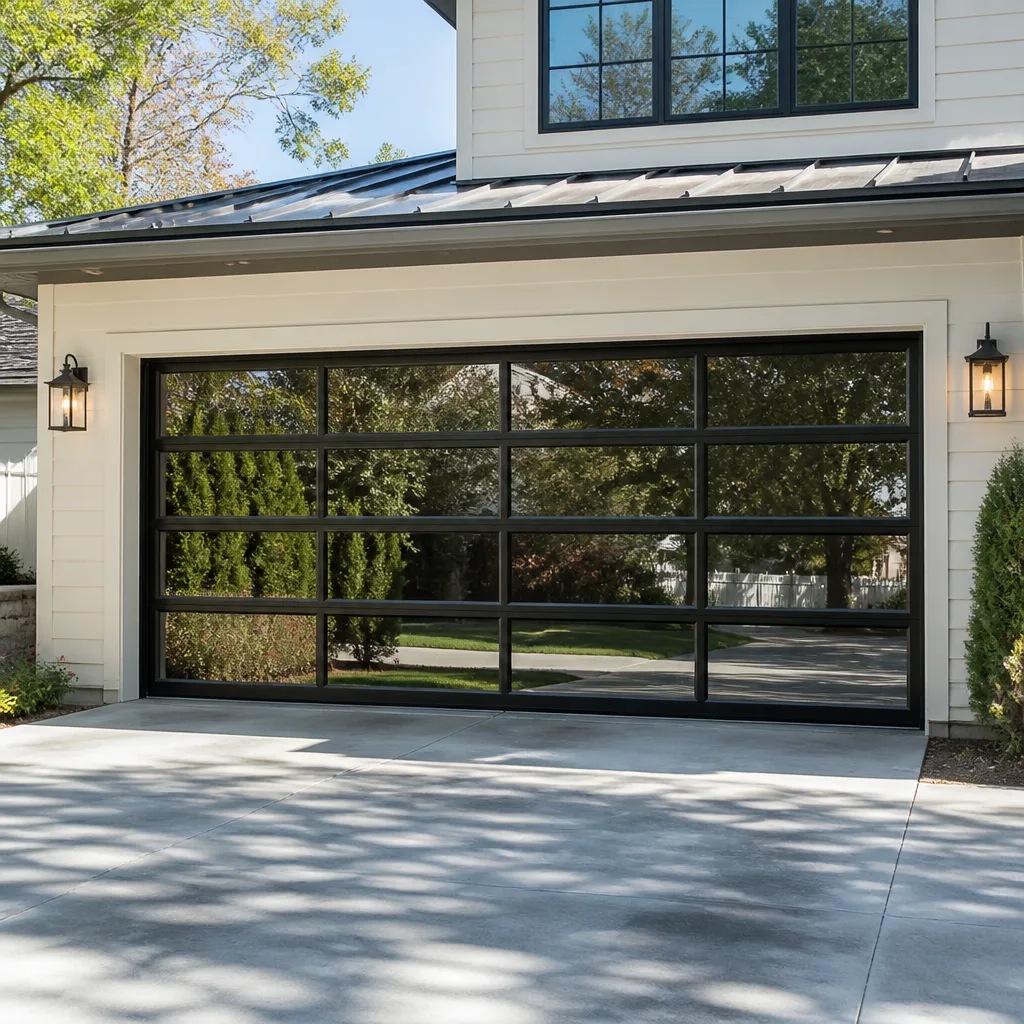 Full-view glass
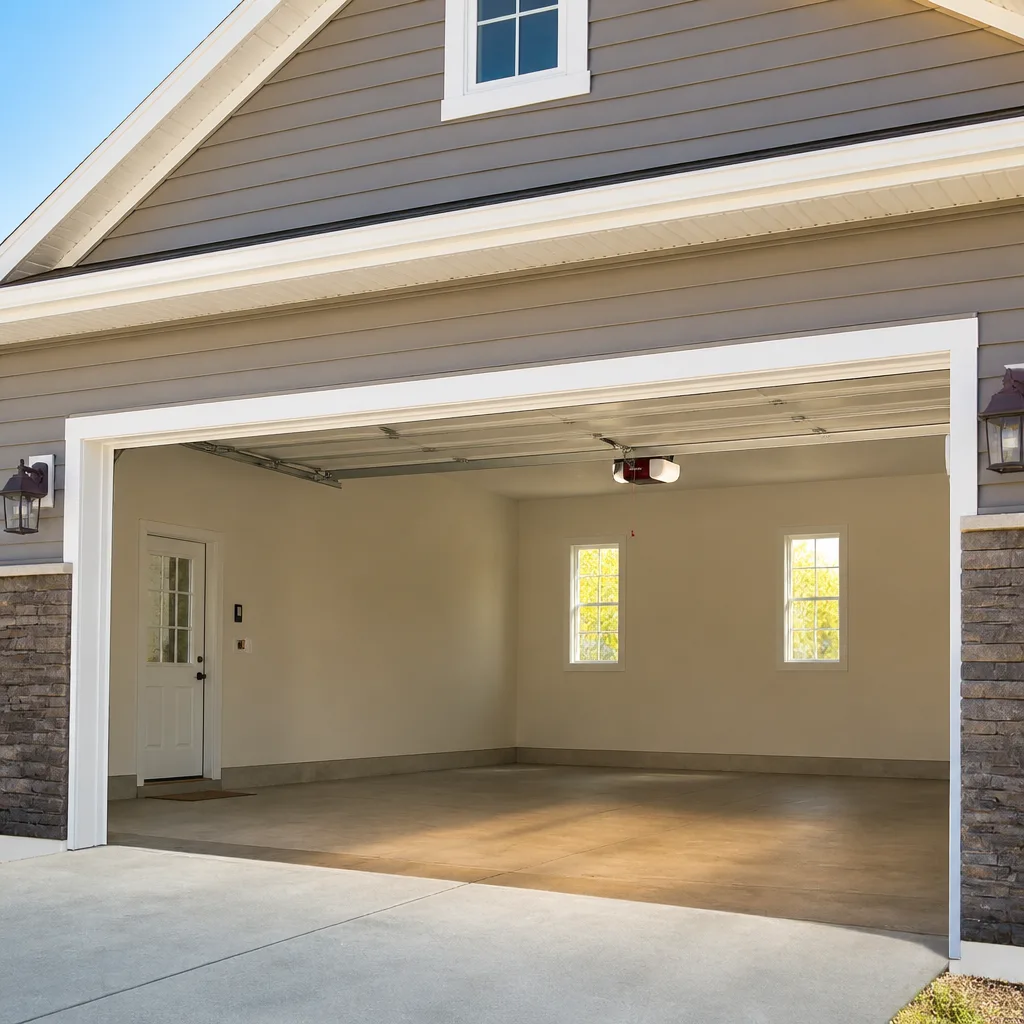 LiftMaster openers
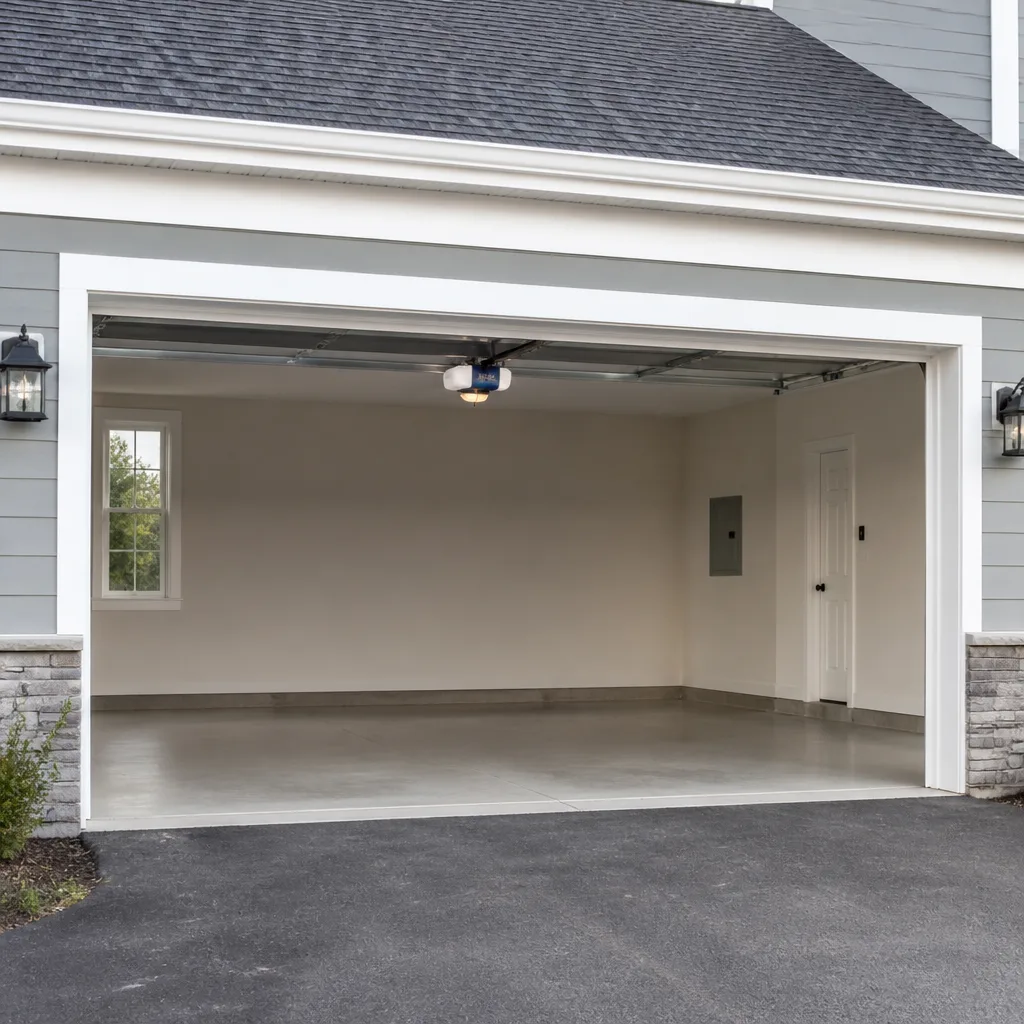 Chamberlain openers
Full 25-point door and opener safety check with every visit - springs, cables, rollers, tracks, and your LiftMaster or Chamberlain opener included
You get a price before we start. It does not change when the pro arrives.
Get your free estimateHow to Hire a Garage Door Contractor in Westminster: A Step-by-Step Guide
Most homeowners hire a garage door contractor the same way they’d hire a painter: they call whoever answers first, get a number, and hope for the best. That approach works fine until it doesn’t, and garage doors are unforgiving about it. A torsion spring under load isn’t a faucet washer, and an opener wired to the wrong door isn’t a light fixture. The difference between a specialist and a generalist shows up weeks later, when the door drifts, the opener strains, or a part fails because nobody checked the balance. Westminster has a tight, competitive garage door market, and the vetting process we’re going to walk through here is the one that filters out the wrong hires before they ever pull into your driveway.
Quick Answer
Hiring a garage door contractor in Westminster means verifying Colorado licensing and insurance yourself, confirming the contractor works on your specific door and opener brand, and insisting on a written quote with itemized parts and labor before any work starts. Skip the vetting and you risk hiring a generalist who guesses at parts, or an out-of-area operator who’s hard to reach when a repair fails.
Styles & brands we work with
- Raised-panel steel
- Carriage house
- Modern flush
- Full-view glass
- LiftMaster openers
- Chamberlain openers
Table of Contents
- Contractor types: dealer, handyman, or multi-brand specialist
- What to actually ask about licensing and insurance in Colorado
- Red flags during the post-storm contractor surge
- How to read a garage door quote line by line
- Questions that reveal whether they know your brand
- Why spring work belongs with a specialist
- The seven-step vetting process
- Common mistakes to avoid
What’s the difference between a brand-authorized dealer, a handyman, and a multi-brand specialist?
These three categories are not interchangeable, and the differences directly affect how fast your door gets fixed and whether the right part gets used.
A brand-authorized dealer sells and installs one manufacturer’s line. If you have that brand, great. If you don’t, you’ll often get steered toward a full replacement rather than a repair, because the dealer’s inventory is built around their own products.
A generalist handyman handles a garage door the way they handle a leaky disposal: with a general toolkit and trial-and-error. Many won’t touch torsion springs at all, and the ones who will sometimes use whatever spring is on the shelf rather than one matched to the door’s weight and cycle life. That’s a setup for repeat failures.
A multi-brand specialist works across several manufacturers and diagnoses by brand logic rather than guesswork. We work on LiftMaster, Chamberlain, Genie, Clopay, Amarr, Wayne Dalton, Craftsman, and Raynor systems, and that range matters in a market like Westminster where the housing stock spans several decades of installs. A Craftsman opener from the 2000s and a current LiftMaster unit share almost nothing in troubleshooting. A specialist knows the difference before touching anything.
For parts, the multi-brand model pays off directly: common components can be supplied without a second trip or a third-party order. A dealer who only stocks their own line will send you back to the manufacturer for a Clopay panel clip or a Genie gear. A handyman will improvise. Neither gets your door working that visit.
What license and insurance should you actually verify for garage door work in Colorado?
Colorado doesn’t issue a statewide specialty license for garage door installation or repair, so “are you licensed?” is the wrong question. The useful questions are about local registration and, more importantly, insurance.
Here’s the sequence we recommend:
- Ask for the business name and the exact legal entity name, then compare them. Mismatches are a sign you’re dealing with a lead-generation service rather than the company doing the work.
- Ask for a certificate of general liability insurance, sent directly by the insurer or agent, not a screenshot. Verify the business name on the certificate matches the one on your quote.
- Ask whether the company carries workers’ compensation coverage. If a technician is injured on your property and the company isn’t covered, that exposure can land on your homeowner’s policy.
- Ask what local licensing the job requires. Garage door work in Westminster sometimes triggers a permit depending on scope, particularly on structural changes or new construction. Ask the city’s building department directly rather than trusting a verbal “you don’t need one.”
- Ask whether the person arriving is an employee or a subcontractor, and whether the subcontractor carries their own insurance. That chain matters if anything goes wrong.
The company we connect you with is licensed and insured as their state requires, and we’d say the same to anyone vetting a contractor in Westminster: get it in writing. A contractor with genuine coverage won’t hesitate to send documentation. One who deflects, stalls, or promises to email it later is telling you something.
What red flags should you watch for after a hailstorm in the Westminster area?
Hail and cold snaps bring a wave of out-of-area contractors into the Denver metro, and Westminster gets its share. The pattern is consistent: aggressive door-knocking, pressure to sign today, big upfront deposits, and a phone number that goes quiet once the weather clears. Vetting before you sign is the whole defense.
Watch for these specific signals:
- Out-of-state plates and a PO box address. Legitimate Colorado contractors have a verifiable local business presence. Ask for a physical address and check it.
- Pressure to decide on the spot. A hail-damaged Clopay or Amarr panel is a real thing, but urgency to sign today is a sales tactic, not a service reality. A good contractor will happily let you sleep on it.
- Large cash deposits before any work. Deposits for custom-ordered doors are normal. Deposits on standard repairs are a warning sign.
- No written quote, or a quote with one lump-sum number. See the next section for why that matters.
- Insurance-claim steering. A contractor who offers to “handle everything” with your insurer and discourages you from calling your own adjuster is worth a second look.
- No street-level familiarity. Ask which part of Westminster they work in most, and whether they’ve handled doors in older neighborhoods versus newer builds. The answers will tell you whether you’re talking to a local operator or a rolling crew.
None of these rules out every contractor who knocks on your door. But the three-minute check that eliminates most bad hires is simple: verify the insurance certificate, verify the local address, and refuse to sign anything on the first visit.
How do you read a garage door quote line by line?
A good quote itemizes parts and labor separately, names the parts, and states whether the price is for one spring or a matched pair. A bad quote gives you one number and calls it a day.
What should be itemized on a repair quote:
- The specific part, by type and size where relevant. “Torsion spring” is vague. “Torsion spring, matched to door weight” is precise.
- Whether the price covers one spring or a pair. Springs are usually replaced in matched pairs, so ask explicitly. A quote that doesn’t say is a quote that will be clarified at billing time, which is the wrong moment.
- Labor, as its own line.
- Any diagnostic or trip fee, and whether it’s credited against the repair.
- What’s not included, in plain language. Rollers, cables, and hinges sometimes get quietly folded into “miscellaneous.”
Vague charges are where markup games live. If a quote says “hardware” with no detail, ask which hardware. If it says “spring replacement” with no size or count, ask. A contractor who can’t itemize a repair on paper either doesn’t know the job well or doesn’t want you to.
The single most important quote rule: the price is quoted and agreed before any work starts. Not estimated after the fact, not adjusted once the door is off its tracks. The written quote is the price. If a contractor’s opening number is dramatically lower than everyone else’s, the rest of the number is probably waiting somewhere in the invoice. For a fuller breakdown of what repairs run in this market, our garage door repair page covers typical ranges by job type.
What questions reveal whether a contractor knows your specific opener?
Anyone can say they “work on all brands.” A few targeted questions will tell you in under five minutes whether they actually know your unit or are improvising.
Ask these:
- “What make and model is my opener, and what’s the typical failure point on that model?” A specialist will either know from the photo or ask for the model plate on the back of the unit. A generalist will shrug.
- “How does the safety reverse system get tested?” The answer should mention both the photo-eye check and the force-setting test, in plain terms. If they can’t describe it, they haven’t adjusted one.
- “Do you carry the parts for my brand, or will you need to order them?” A Chamberlain or Genie gear and sprocket kit on the shelf is a same-visit fix. An order is a second trip.
- “If my door isn’t balanced, how will you know?” The answer involves manually operating the door and checking weight distribution across the panels, not just cycling it with the opener.
- “When my opener’s remote isn’t responding, what’s the diagnostic sequence?” Battery, programming, receiver board, logic board. A specialist runs through them in order. A generalist replaces the remote and hopes.
We’ll add one from our own side: matching the opener’s force and travel limits to a specific door is where DIY installs and generalist repairs go wrong most often. An opener that’s overpowered for the door will pressure the panels and strain the springs. Getting the pairing right is the difference between a door that lasts and one that drifts. That’s why opener work benefits from someone who works on LiftMaster, Chamberlain, Genie, and Craftsman systems regularly. If your unit is failing, our garage door opener repair service covers diagnosis and parts for the major residential brands.
Why does spring work belong with a specialist?
Garage door springs are the most dangerous component in the system, and they’re the part most likely to be handled by whoever was available. A torsion spring under tension carries enough stored energy to cause serious injury, and a spring that’s released improperly or spec’d wrong can fail catastrophically. This isn’t a job where a generic toolkit and good intentions get you there.
What a specialist does that a generalist skips:
- Matches the spring to the door’s weight and cycle life, not to whatever is in stock. The wrong spring wears fast, strains the opener, and can leave the door out of balance.
- Replaces matched pairs together when both springs are worn, rather than one at a time.
- Checks the cables, drums, and hinges at the same time, because spring failure often exposes secondary damage.
- Uses proper winding bars and the correct procedure to release and set tension.
- Tests the door’s balance and opener force settings after the repair, not just whether the door opens.
We treat spring repair as a named service, not an add-on. Torsion and extension springs get handled by technicians who do them routinely, not generalists who avoid them. If your spring has snapped, the safest thing you can do is keep the door closed and call a specialist. Don’t try to open it manually, and don’t let anyone wind a spring without proper tools. If you’re seeing the signs of a failing spring, our Westminster Garage Door Repair Pros team can walk you through diagnosis over the phone.
What’s the actual seven-step vetting process?
Here’s the process we’d put in front of any homeowner in Westminster who’s hiring a garage door contractor. It’s not complicated, and it takes about fifteen minutes total, most of it on the phone.
- Confirm the company works in Westminster and can name parts of the city they cover regularly. Vague answers are a signal.
- Ask for the insurance certificate and workers’ comp documentation, sent from the insurer. Verify the business name matches.
- Describe your door and opener, and ask what they’d expect to find. A specialist will ask follow-up questions. A generalist will go quiet.
- Request a written quote with itemized parts and labor. Refuse to accept a single lump sum.
- Ask whether the quote is firm before work starts. It should be.
- Ask about the repair process, including whether they’ll check the balance and opener force afterward.
- Ask what happens if the repair fails. Even if you don’t get a formal warranty, you want to hear how the contractor handles callbacks.
If you can’t get clear answers to steps two, four, and five, walk away. There are plenty of contractors in the Denver metro who can. For larger jobs like a full door replacement or a new opener install, the same process applies, plus a measurement visit. Our garage door installation page covers what that visit looks like and how to compare quotes for a new door.
How does a contractor’s process differ for repair versus installation?
Repair and installation are different jobs with different hiring criteria, and conflating them is a common mistake.
For repair, speed and diagnosis matter most. The right contractor identifies the failing component quickly, carries or can source the part for your brand, and gets the door working without a second visit if possible. Ask about same-day availability for urgent failures like a snapped spring or a dead opener, and ask whether the quote is firm before they start. We connect homeowners with local professionals who can confirm same-day availability when you call.
For installation or full replacement, speed matters less than fit. A door has to match the opening, the structural framing, the opener capacity, and the home’s existing style. The right process is a measurement visit, a written quote with the door model and options spelled out, and a scheduled install. Don’t expect a same-day install, and be wary of anyone who promises one without measuring first. The measurement visit is where the quote is made real.
Both paths share three things: a written quote, a confirmed brand fit, and insurance documentation. If any of those are missing, keep looking.
Common Mistakes to Avoid
- 1
Hiring on price alone. The lowest quote in the metro is usually low for a reason, and it’s rarely a good one. A quote that’s dramatically under the others typically omits a part, a labor step, or a matched spring.
- 2
Accepting “you don’t need a permit” without checking. Westminster’s building department is the only authority on what a given job requires. Ask directly rather than trusting a verbal answer.
- 3
Skipping the balance check. A repaired door that isn’t balanced strains the opener and wears the springs faster. Ask whether balance and force settings are part of the job.
- 4
Letting a handyman touch the torsion spring. We’ve said it a few times, and we’ll say it again: springs are the highest-risk part of the system. A generalist who offers to wind one without proper tools is a real risk to your safety and your door.
- 5
Signing with a door-knocker on the first visit. The post-storm surge in the Denver metro brings contractors who disappear after the weather clears. Verify the local address and insurance before signing.
- 6
Accepting a lump-sum quote. If the quote is one number with no itemization, you’ve lost the ability to compare it to anything else, and you’ve lost the ability to question anything on the invoice later.
- 7
Assuming the contractor knows your brand. Ask directly. “Do you work on Genie and Chamberlain?” is a fair question, and the answer tells you whether the person on the phone actually does.
See the difference
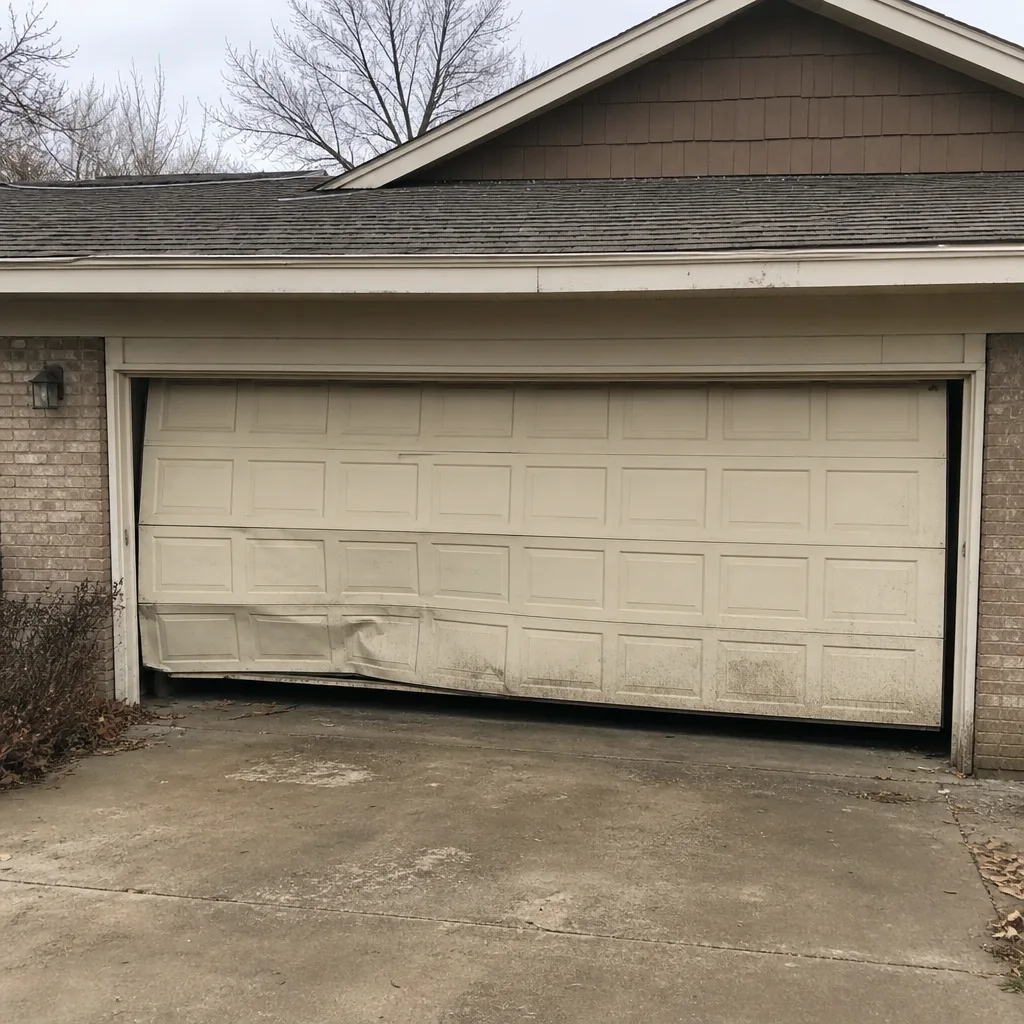 Before
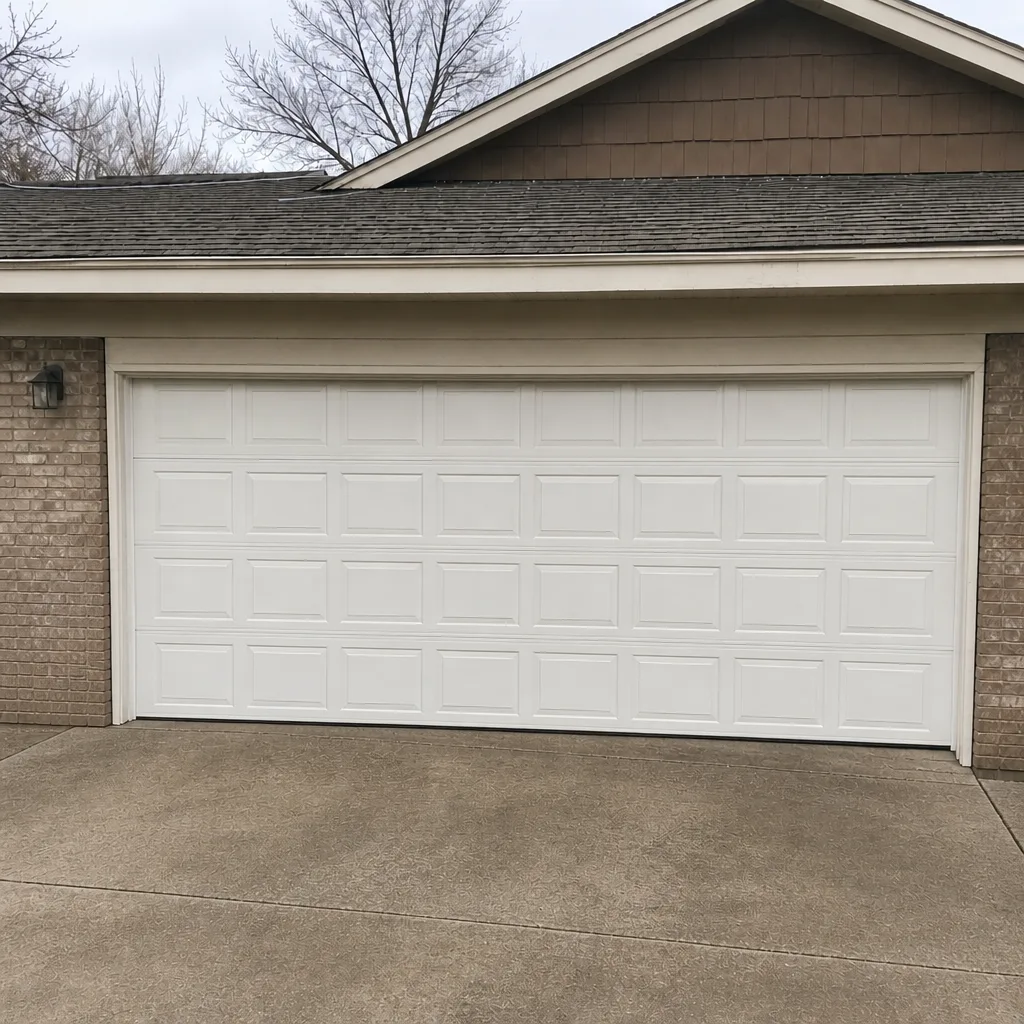 After
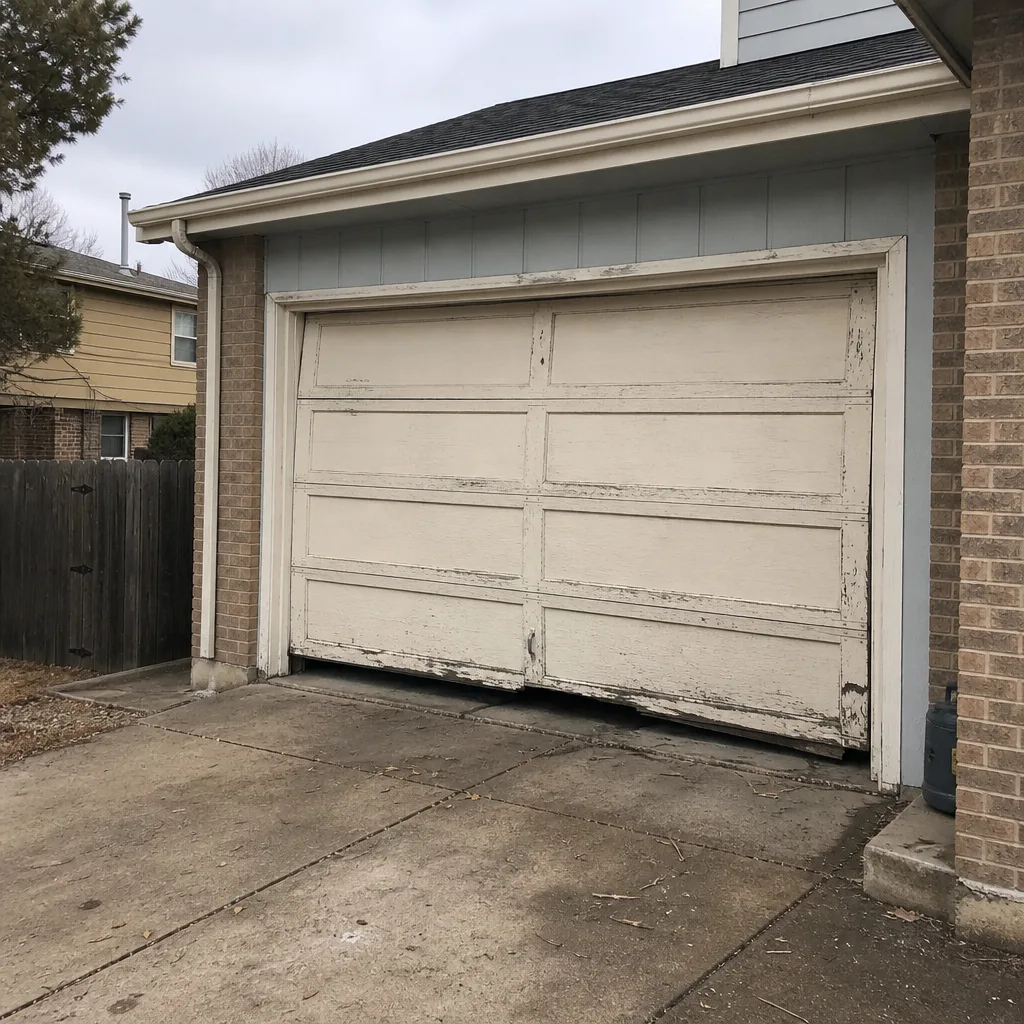 Before
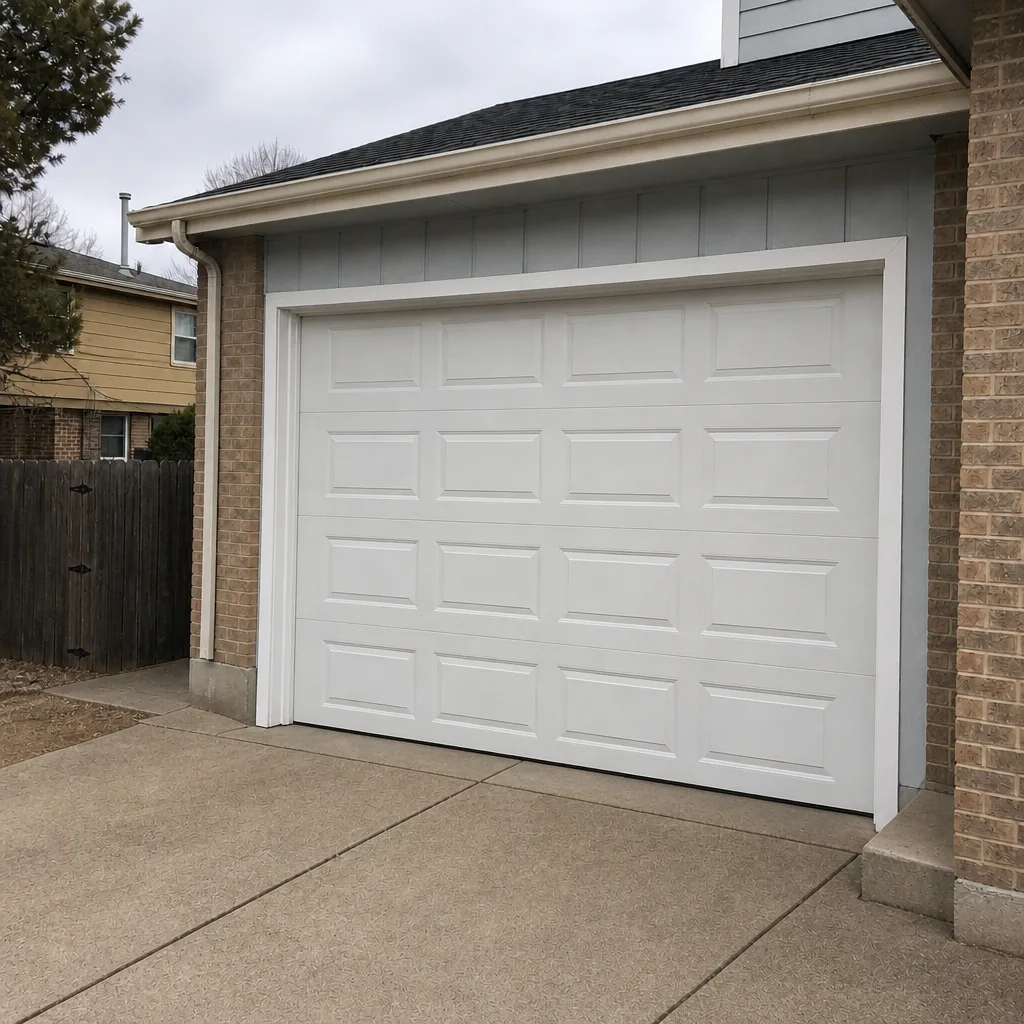 After
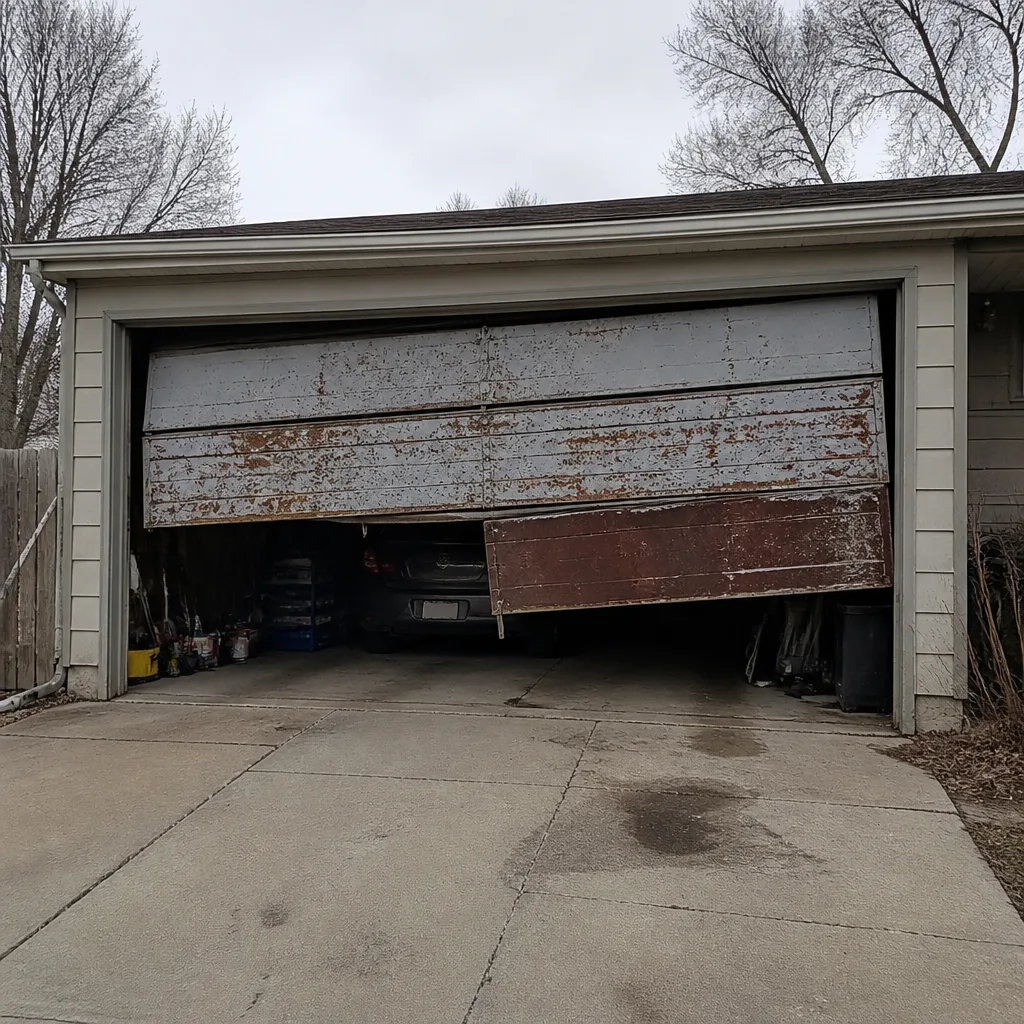 Before
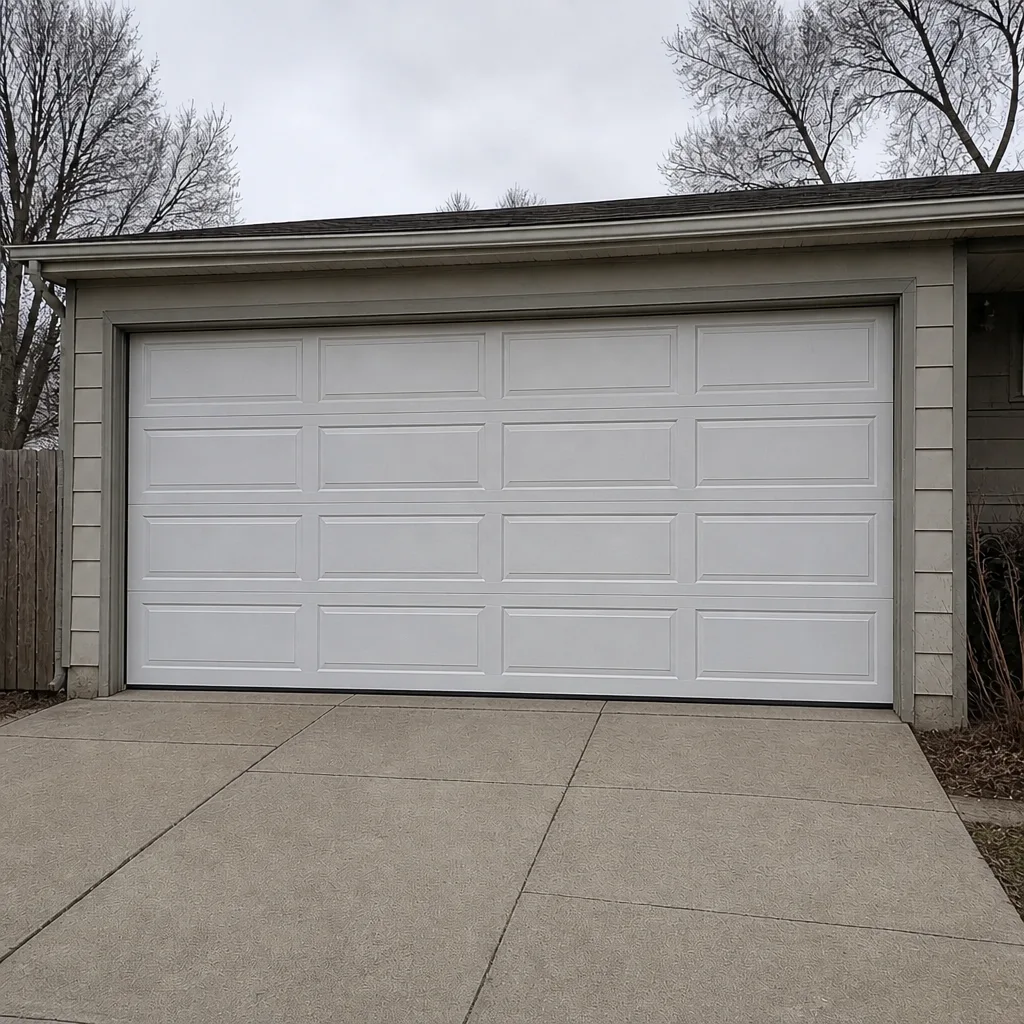 After
When to Call a Professional
Some garage door issues are worth a phone call even before the door stops working. A torsion spring that’s visibly stretched, a door that’s drifted off its tracks, a panel that’s been dented deeply enough that it no longer runs cleanly, or an opener that reverses erratically: these are signs the system needs a proper look, not a patch. Cold snaps make springs more brittle and hailstorms make panels more likely to fail, so both are good moments to get a checkup rather than waiting for a full breakdown.
Anything involving the spring tension, the cables, or the opener’s electrical components is a professional job. Those are the parts of the system where a small error becomes a safety problem. Westminster Garage Door Repair Pros offers free estimates in Westminster and works across the major brands. Call (844) 484-8234 and we’ll talk through what your door needs before anyone commits to a price.
Frequently Asked Questions
Typical repair costs in Westminster depend on the part and the job: minor adjustments like rollers or hinges are usually on the low end, opener repairs fall in the middle, and spring work is typically the higher end of a single-repair bill. For a firm number, request a written quote with itemized parts and labor so you can compare it directly to any other quote. Call (844) 484-8234 for an exact quote – estimates are free.
For urgent failures like a snapped spring or a dead opener, call and ask about same-day availability. Westminster Garage Door Repair Pros connects homeowners with local professionals who confirm timing when you call, rather than promising a window we can’t verify. Keep the door closed until someone arrives, and don’t attempt to operate it manually.
No. The price is quoted and agreed before any work starts. If the contractor finds a secondary problem during the job, they should stop and re-quote before continuing, not finish the work and adjust the invoice afterward. If you’re getting a quote where the process isn’t clear on that point, ask directly, and don’t proceed until it is.
The local pro is licensed and insured as their state requires, and we recommend asking for the actual documentation rather than relying on a verbal yes. Request the certificate of general liability insurance directly from the insurer, and ask about workers’ comp coverage before anyone arrives. A contractor with genuine coverage will send it without hesitation.
Permit requirements depend on the scope of the job, so ask the City of Westminster building department directly rather than guessing. Standard repairs like spring replacement usually don’t trigger a permit. Structural changes, new door installations with framing modification, or opener electrical work often do. A contractor who answers “you don’t need one” without checking is a warning sign.
Westminster Garage Door Repair Pros works across LiftMaster, Chamberlain, Genie, Clopay, Amarr, Wayne Dalton, Craftsman, and Raynor systems, which covers most of what’s installed in Westminster homes. If you’re not sure which brand you have, take a photo of the model plate on the opener and describe the door’s panels. That’s usually enough to confirm the fit before a visit.
The Bottom Line
Hiring a garage door contractor in Westminster comes down to a few checks that most homeowners skip: verify the insurance certificate, ask whether the contractor knows your specific brand and model, insist on an itemized written quote with the spring count spelled out, and confirm the price before work starts. Those four steps filter out the generalists, the door-knockers, and the lump-sum quoters in about fifteen minutes. The rest is fit: match the contractor to the job, whether that’s a spring replacement, an opener repair, or a full install. Westminster Garage Door Repair Pros works across the major brands and offers free estimates. Call (844) 484-8234 to schedule one.
Written by the team at Westminster Garage Door Repair Pros.