Last updated November 20, 2026
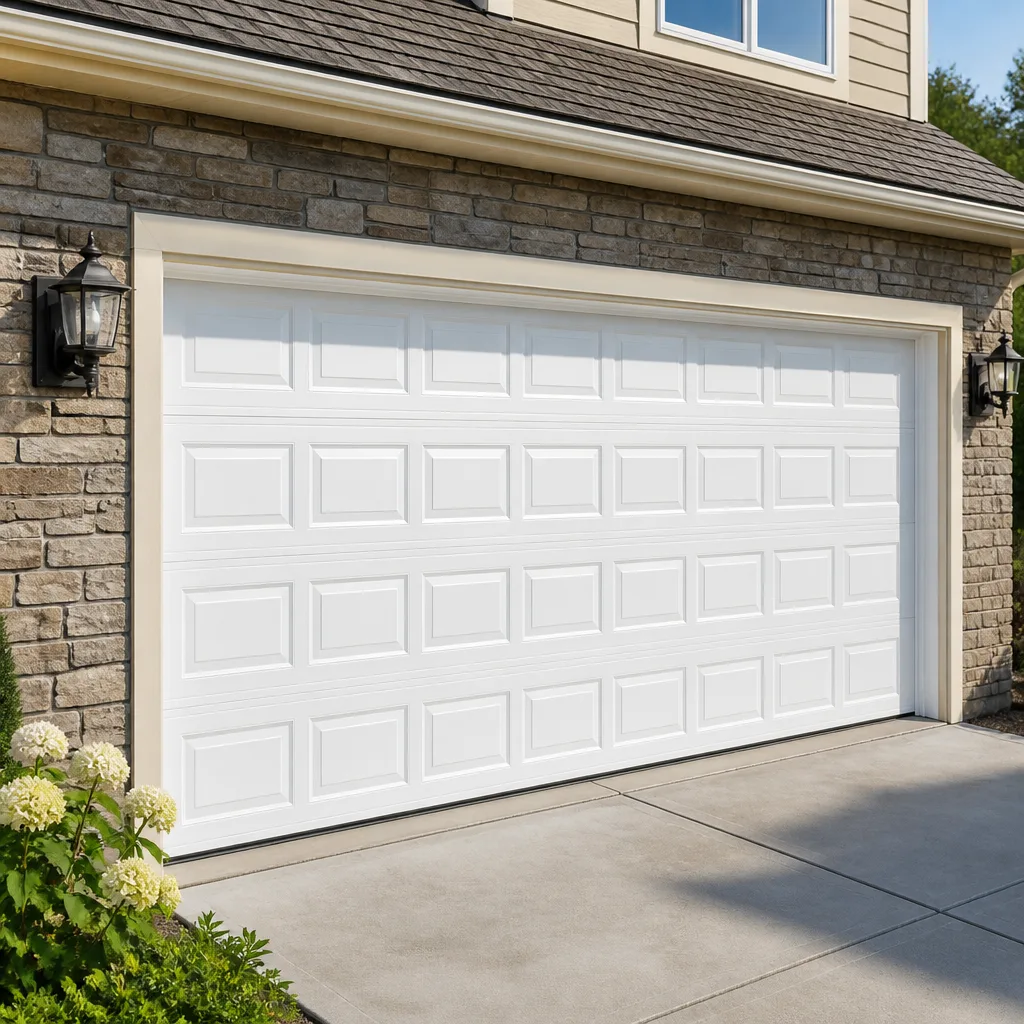 Raised-panel steel
 Carriage house
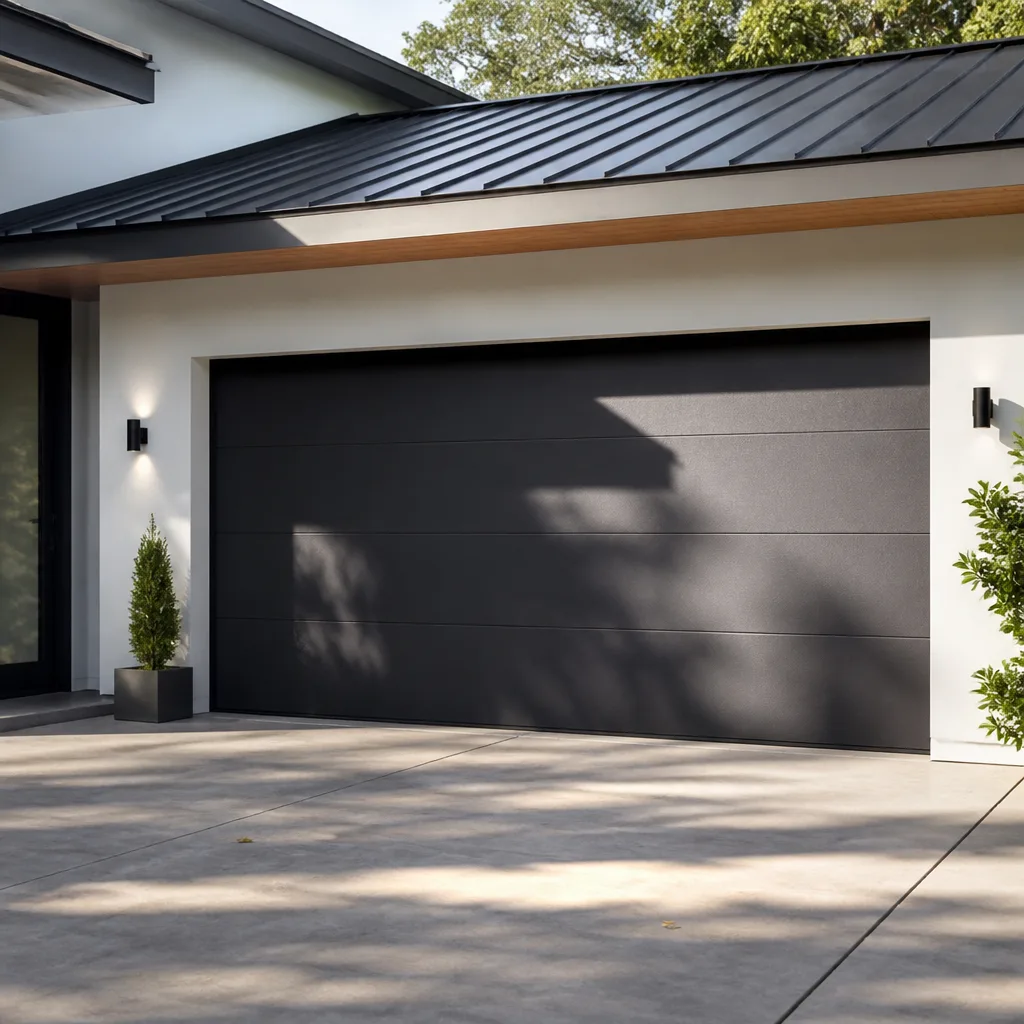 Modern flush
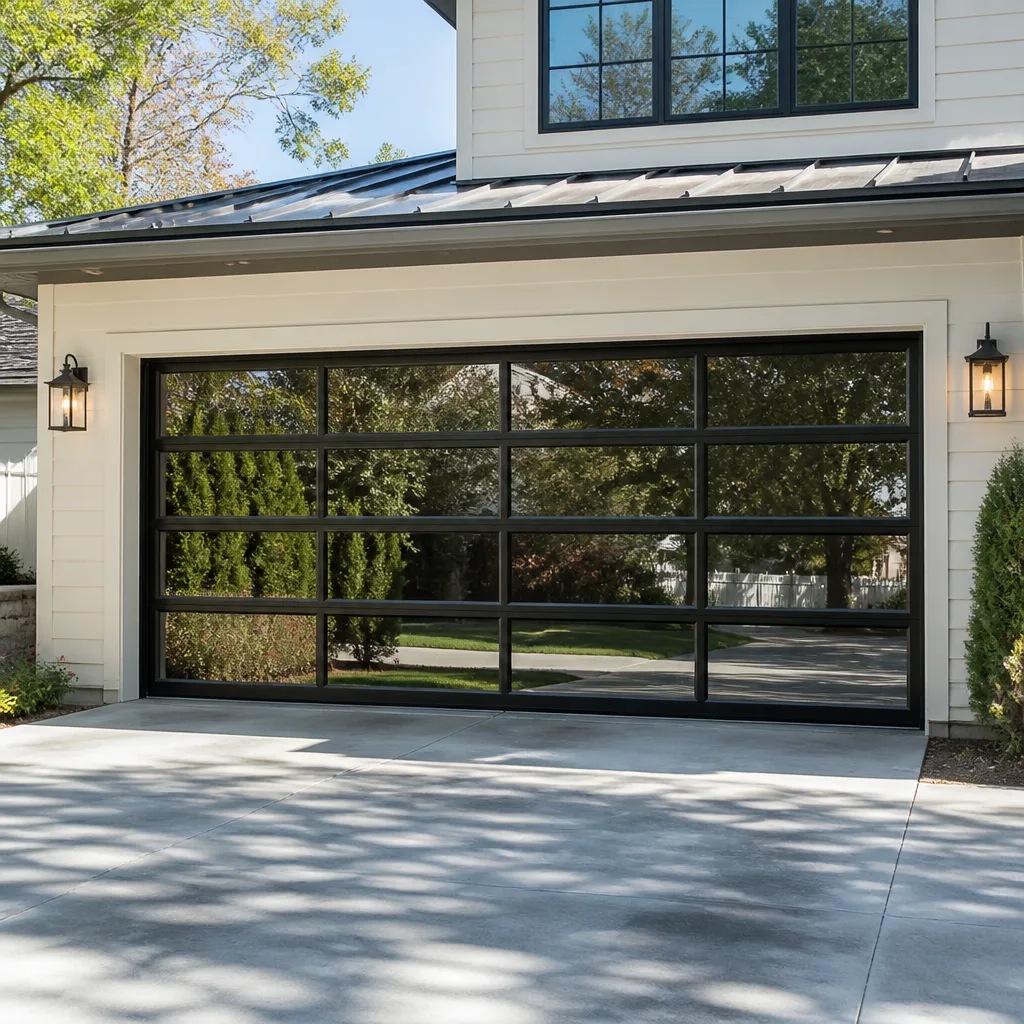 Full-view glass
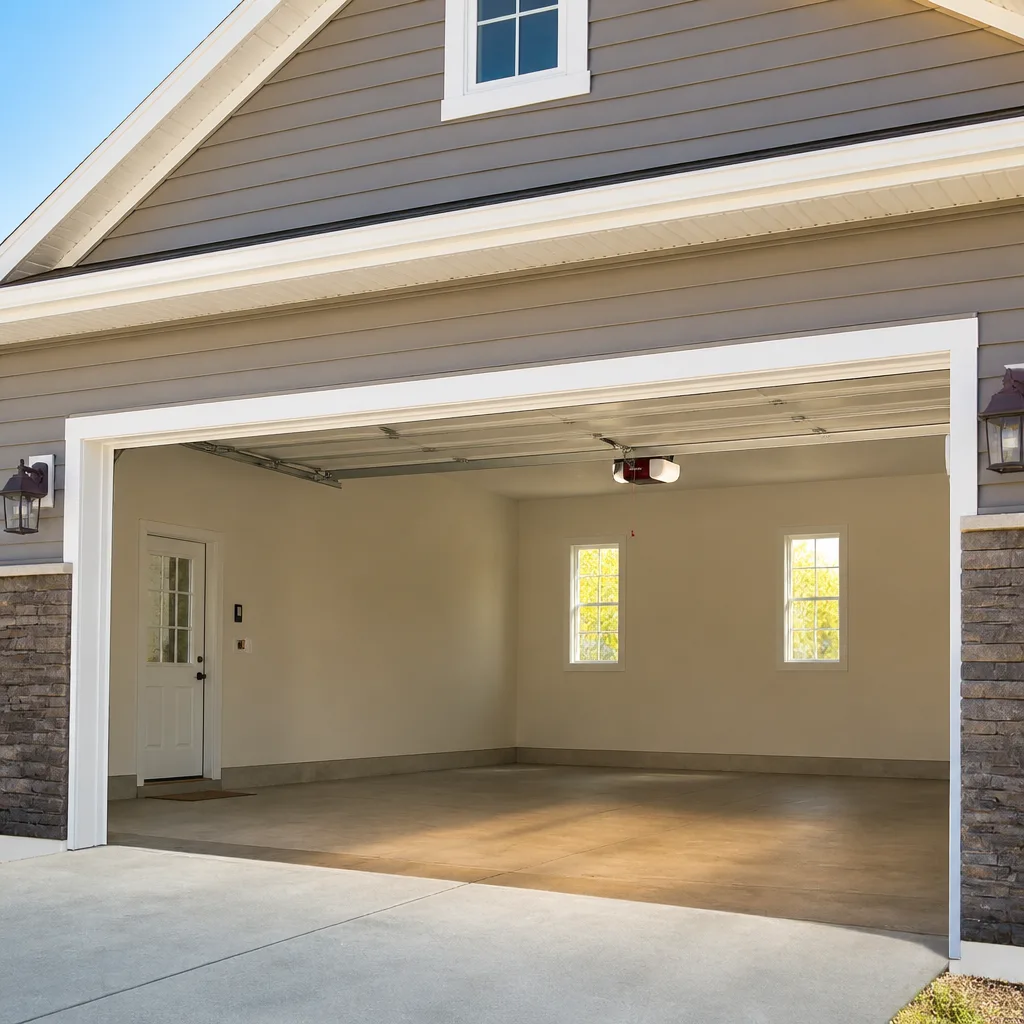 LiftMaster openers
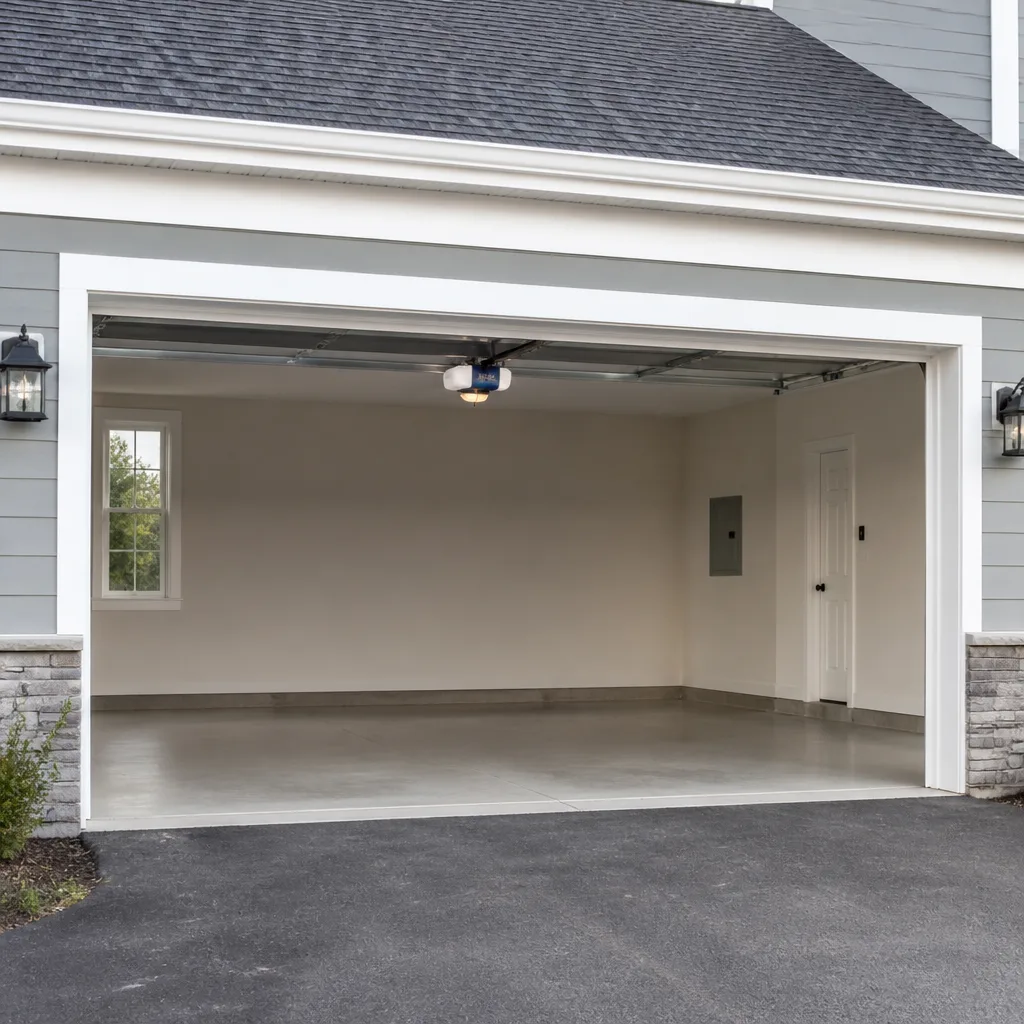 Chamberlain openers
Full 25-point door and opener safety check with every visit - springs, cables, rollers, tracks, and your LiftMaster or Chamberlain opener included
You get a price before we start. It does not change when the pro arrives.
Get your free estimateGarage Door Warning Signs: A Westminster Homeowner’s Reference Guide
A grinding noise and a scraping noise mean completely different things on a garage door. Many homeowners can’t tell the difference, so they either ignore a problem that’s still fixable or panic-call for a repair they never needed. The door talks to you every time you open and close it, in sound, movement, and the way it settles at the floor. This guide teaches you to read those signals: what each noise points to in the drivetrain, which visual tells matter, how opener behavior splits between sensor and logic-board trouble, and when a symptom means you have months to plan versus days before a failure. We work on garage doors around Westminster all day, and most of what we diagnose starts with something the homeowner already noticed.
Quick Answer
Garage door warning signs fall into three groups: unusual sounds (grinding, scraping, popping, rattling), visual changes (uneven gaps at the floor, bowed panels, slack cables), and opener behavior (slow response, reversing mid-cycle, shrinking remote range). A grinding or popping noise, a slack cable, or a door that reverses mid-cycle usually needs a professional within days. A slight rattle or a slow opener with an otherwise solid door usually gives you a few weeks to schedule. In Westminster, the dry air and big seasonal temperature swings mean springs and rollers wear on a predictable curve, so the timing of a symptom often tells you as much as the symptom itself.
Styles & brands we work with
- Raised-panel steel
- Carriage house
- Modern flush
- Full-view glass
- LiftMaster openers
- Chamberlain openers
Table of Contents
- What Each Sound Means: A Sound-to-Problem Diagnostic
- Visual Tells: Gaps, Bowing, and Cable Slack
- Opener Behavior Flags: Sensors, Logic Boards, and RF Interference
- The One-Year Rule: When You Have Time and When You Don’t
- Reading Brand Error Codes on Your Own
- How Westminster’s Climate and Altitude Affect Your Door
- A Seasonal Checklist for Westminster Homeowners
- A Step-by-Step Diagnostic Walkthrough
What Each Sound Means: A Sound-to-Problem Diagnostic
Sound is the fastest way to narrow down a garage door problem, because different parts of the mechanism produce different noises and they rarely sound alike once you learn to separate them. A grinding noise and a scraping noise couldn’t be more different in cause: grinding usually comes from the drive system or the opener’s internal gearing, while scraping almost always means something is rubbing where it shouldn’t. Before you touch anything, stand in the driveway and listen to a full open-and-close cycle with the door running. Where the sound happens in the cycle (start, middle, or just before the door settles) tells you where the fault sits.
Grinding
Grinding is the sound of metal fighting metal. It usually points to worn opener gears, dry or damaged torsion tubes, or a bearing that’s run out of lubrication. On belt and chain openers, grinding that builds up across the whole cycle often means the gear assembly inside the motor housing is failing. On torsion systems, a dry tube or a failing bearing can grind loudly at the same point in every cycle. This isn’t a noise to ignore for long; gears that grind eventually strip, and a stripped gear locks the door out entirely.
Scraping
Scraping comes from friction against a surface, not from gears. A bent track, a roller that’s popped out of its channel, or a panel that’s shifted out of alignment will scrape against the frame or the floor. The good news: scraping problems are usually fixable with track realignment or a roller swap, and the door itself rarely needs replacement if the scraping is caught early. If the scrape starts suddenly after a bump or a hard close, a roller has almost certainly left its track.
Popping
Popping sounds alarming but is one of the more diagnosable noises. A torsion spring that’s tightening or loosening with insufficient lubrication can pop as the coils grab and release. Popping from the ceiling area near the spring assembly should always be treated as a call a professional situation, since the springs are under extreme tension and adjusting or lubricating them yourself is dangerous. Popping from the door panels or hinges is usually a loose fastener, and those are safe to check visually but not to tighten on a loaded door.
Rattling
Rattling is the most benign of the four. Loose hinges, worn rollers, or a vibration between the door and the opener’s rail all produce a rattle that sounds worse than it is. In our experience, a rattle that appears after a hot week in Westminster usually traces to a hinge or roller fastener that’s loosened. Tightening rollers and hinges is a maintenance task, but if the rattle comes with a door that’s also started to run unevenly, it’s worth a professional look rather than a quick tighten.
- Grinding: opener gears, torsion bearings, dry torsion tube. Needs attention within days.
- Scraping: bent track, roller out of channel, panel misalignment. Fixable before panel damage.
- Popping: spring tension adjustment or loose hardware. Springs are dangerous; don’t touch.
- Rattling: loose hinges or rollers, vibration in the opener rail. Often a maintenance fix.
Visual Tells: Gaps, Bowing, and Cable Slack
Visual warning signs are what your door shows you before it fails. A gap at the floor, a bowed panel, or a cable that’s gone slack each point to a distinct root cause, and each has a different urgency. The trick is standing back and letting your eye find what changed, rather than looking at any one spot. Walk back to the end of your driveway in Westminster and look at the shut door the way a neighbor would. Contour changes jump out at that distance that you’d miss at a foot.
Uneven Gap at the Floor
A gap at one corner of the door but not the other almost always points to a track that’s out of plumb or a panel that’s shifted on its hinges. It can also mean one torsion spring has lost tension more than its mate. If the gap varies from cycle to cycle, that’s a sign of a spring or cable tension problem rather than a track issue. Small floor gaps (under an eighth of an inch) are usually weatherstripping, not a structural fault. Gaps that let daylight through in a stripe, and especially gaps that changed suddenly, are worth a professional look.
Panel Bowing
A bowed panel is the visual proof that the door is under stress it wasn’t designed for. Bowing usually traces to a torsion spring that’s failing, a cable that’s stretched, or a track that’s pushed inward. Bowing that runs vertically (a curve from top to bottom of a panel) is more serious than a horizontal bow, which is often just a dent from a light impact. If a panel bows when the door is closed but straightens when it’s open, the door is fighting its own springs.
Cable Slack
Cables should always sit taut against the drum at each corner. Slack in either cable is a serious warning sign and one of the few you should never test yourself. A slack cable means the spring system on that side has lost tension or a drum has slipped, and the door is now balancing on a single lifting point. Cables under load can snap, and a snapped cable releases energy that can cause real injury. Leave it closed, keep children and cars clear, and call for professional service.
Door Off Its Track
A door that’s come off its track on one side is a structural failure of the lifting system, not a mild fault. Even if the door still moves, one side is now bearing more weight than it should, which puts the other side at risk. We see this most often after a power surge or a missed cycle where the door tried to lift against something in its path. Never force a door that’s off its track to travel by hand or with the opener; the risk of a sudden collapse is real. This is a stop and call a technician scenario.
Opener Behavior Flags: Sensors, Logic Boards, and RF Interference
Opener misbehavior splits into three causes, and narrowing which one you’re dealing with saves you time and money before a technician even arrives. Slow response, reversing mid-cycle, and shrinking remote range each have distinct fingerprints. Identify the pattern first, then match it to the likely cause. If the opener behavior comes with a sound or visual symptom, the door system itself may be the cause rather than the opener, so read those sections in parallel.
Slow Response
Slow response usually means the opener is putting more effort into moving a door that’s become heavier than it used to be. That’s often the door, not the opener: failing springs, dry rollers, or a door that’s out of balance all make the opener work harder. If the door responds promptly when you test it by hand (a balanced door should lift with light pressure from below), then the slow response is internal to the opener. If the door feels heavy by hand, the opener is fine and the springs need attention.
Reversing Mid-Cycle
A door that reverses partway up or down is nearly always a sensor issue. Safety beams at the floor get knocked out of alignment, blocked by a leaf or a tools box, or start to fail on one side. Sometimes reversing is a symptom of a door binding on one track and stalling, which the opener’s safety logic interprets as an obstruction. Test by clearing the beam path and looking for an indicator light that’s not a steady color; if the reverse still happens, the sensor or its alignment is likely the cause. On some openers, a logic board fault can mimic a sensor issue, which is why knowing your brand matters.
Remote Range Loss
Remote range loss comes from three things: a weakening battery (most common), radio frequency interference (the most underdiagnosed), or a failing opener’s receiver. RF interference is easy to spot in Westminster because it changes with your location: the same remote that works from the driveway won’t work from the house, or works at night but not in the middle of the day. LED bulbs in nearby fixtures, cordless devices, and neighbors on the same frequency band are common culprits. If a battery swap and a clear line of sight don’t fix it, a receiver or logic-board check is the next step.
- Slow response: heavier door (springs, rollers) or opener strain. Test door balance by hand first.
- Reversing mid-cycle: sensor alignment, sensor failure, door binding, or logic board.
- Range loss: battery, RF interference, or opener receiver. Changes with location suggest RF.
The One-Year Rule: When You Have Time and When You Don’t
The most useful thing a homeowner can learn is which symptoms give you months to plan and which mean the door is days from failing. We call it the one-year rule: if a symptom sits in the “you have time” column, you can schedule a repair on your own terms. If it sits in the “you don’t” column, book the next available appointment and stop opening the door until then. This single distinction prevents most emergency calls and most expensive repairs.
Signs You Have Time
A slow opener with an otherwise solid door, a slight rattle that appears after warm weather, and a small gap at one floor corner from weatherstripping all fall into the plan-ahead category. Cosmetic panel dents, a remote that needs its battery replaced, and a door that occasionally makes a mild popping sound after a temperature swing are also in this group. These are all worth diagnosing, but a week or two of scheduling isn’t a risk. We’d still book them within a month, because “have time” doesn’t mean “ignore forever.”
Signs You Don’t
A grinding that appears mid-cycle every time, a slack cable, a door off its track, or a torsion spring that’s visibly lost tension are all in the call-now category. Popping from the spring assembly, a door that reverses on nearly every cycle even after you’ve cleared the sensor path, and any sign of a cable fraying or that has popped off its drum belong here too. If a door has to be helped by hand to close, that’s also a call-now: the lift system has failed in a way that a technician needs to see before the next cycle. If you’re not sure which side of the line a symptom is on, describe it over the phone and we’ll tell you plainly whether it can wait.
- One-year side (plan): rattle, minor gap, slow opener, occasional pop, cosmetic dents.
- One-year side (plan): remote range loss that a battery swap improves.
- Call-now side: grinding, slack cable, off-track, popped or frayed cable.
- Call-now side: spring-panel popping, mid-cycle reversing, door needing physical help to close.
- Call-now side: any door you can lift by hand and it won’t stay put in a mid-open position.
Reading Brand Error Codes on Your Own
Brand-specific openers broadcast their own diagnostics through LED codes or up-and-down flash patterns, and reading those before you call saves a step. On LiftMaster and Chamberlain openers, the wall control and the motor unit flash codes that map roughly to “safety sensor fault,” “obstruction,” “logic board fault,” or “no response from motor.” A steady flash on the motor with the door not moving usually points to sensor or logic, while synchronized flashes on wall control and motor often point to a wiring issue between them. Knowing your brand’s code beats guessing every time.
Westminster homeowners often have a Craftsman or LiftMaster unit from an earlier install or a builder-grade Wayne Dalton door with a matching opener, and each of those systems reports faults differently. When you call, tell us the brand and the flash pattern, not just “it doesn’t work.” That single detail lets a technician walk in already knowing which of the three failure classes to test first. Our team works on your brand: LiftMaster, Chamberlain, Genie, Clopay, Amarr, Wayne Dalton, Craftsman, and Raynor, and the flash codes on each follow their own logic rather than a universal standard.
If you’re ready for brand-specific help, garage door opener repair is where we start with a brand-native diagnosis so the fix isn’t guesswork. If the door itself is also showing symptoms, the problem may sit in the door rather than the opener and a full garage door repair inspection makes sense.
How Westminster’s Climate and Altitude Affect Your Door
Westminster’s dry air and wide temperature swings are hard on garage door hardware in ways that homeowners don’t always connect to the warning signs they see. Springs cycle through more tension differential across a year than in milder climates, lubricants dry out faster, and wood or composite panels expand and contract with humidity changes. Add the Front Range’s elevation and sun exposure, and the door faces more cycling than its install guide assumes. None of this is dramatic, but it means the “check your door” advice you read from national sites is a little less predictive here than it is in a moderate, humid metro.
What This Means in Practice
Lubrication schedules should be a little more frequent than the standard sticker on the opener suggests. Rollers and hinges that would last three seasons of light use in a humid climate can dry out faster in our air. Torsion springs on a daily-use door will eventually give up earlier than the same spring on a door that opens twice a week, and the timing becomes easier to predict once you’ve watched one or two go. Panel swelling on wood doors is less of an issue here than in the Southeast, but thermal bowing on hollow-steel or composite panels during sudden cold snaps is a real pattern you’ll see in Westminster.
Neighborhood Context
Homes around the Legacy Ridge and Church Ranch area often have multi-car garages with heavier insulated doors, which put more load on springs and openers than the single-car doors you’ll see closer to the older parts of Westminster. Doors installed on homes in the Highlands and in the neighborhoods off 120th carry similar household traffic, and the pattern of “one spring failing before its mate” shows up across all of them. None of that changes the diagnostic method, but it does shape which symptom is likely to appear first. If your door is heavier than average, treat the spring-side warning signs as a little more urgent than you would on a lightweight door.
A Seasonal Checklist for Westminster Homeowners
Every few months, walk the door and look at the five or six things that catch problems earliest. This isn’t a maintenance routine so much as a diagnostic habit: you’re not fixing anything yourself, you’re catching early signals before they turn into emergency calls. We suggest doing it at the change of seasons, when the temperature shift makes symptoms appear. Each item on this list is a visual or auditory check you can perform safely from the driveway, without touching the loaded parts.
- Listen to a full cycle. Open and close the door and listen for grinding, scraping, popping, or rattling. Note where the sound is strongest.
- Look at the floor gap. Stand in the driveway and check each corner for daylight under the door. An uneven gap points to a track or spring issue.
- Check the panels. Look for vertical or horizontal bowing. A bow that straightens when the door is open is a spring symptom.
- Test the reverse. Put a roll of paper towels in the door’s path and confirm it reverses. If the reverse is weak or missing, the safety system needs attention.
- Wipe and confirm the sensors. Clear dust and cobwebs from the safety beam lenses at the floor. A build-up causes false reverses.
- Balance test by hand. Only if the door is running smoothly, lift it by hand from the middle of the bottom edge to about waist height. A balanced door should stay put. If it won’t hold, springs or cables need professional attention, so stop and call.
- Check remote operation from a distance. Test the remote from the sidewalk. Range loss has three common causes; catching it early narrows which one.
A Step-by-Step Diagnostic Walkthrough
If you’ve noticed something and aren’t sure where to start, this sequence gets you to a clear answer in about ten minutes. Work through it in order, because each step tells you whether the next one is safe. And before any hands-on check: garage door springs, cables, and drums are under extreme tension, and a door that seems fine can fail with no warning. Don’t try to adjust springs or cables yourself. Diagnose from observation, and call a trained professional for anything that needs an adjustment on the loaded parts.
- Close the door and stand back. Look from the driveway for bowing, uneven gaps, or off-track movement that’s visible without touching anything.
- Run one full cycle. Listen for each of the four sounds. Note where in the cycle the sound appears.
- Check the opener’s codes. Look at the wall control and the motor unit for a flash pattern or LED code. Write down what you see.
- Test the safety reverse. With the door closing, break the beam with your leg (don’t touch the door). If it doesn’t reverse, stop the test and call.
- Check remote and wall-control response. If one works and the other doesn’t, the issue is remote-side. If neither works, it’s opener-side.
- Look for slack cables at each corner. Slack is a stop-and-call signal. Don’t test the cable by pulling.
- If the door’s motion is smooth, do a balance test by hand. A balanced door holds. If it falls, don’t force another cycle; call for service.
If the walkthrough points at anything spring-related, treat it as urgent. Spring repair is what we do most and what we take most seriously, and getting the diagnosis right the first time is the difference between a quick fix and a door that fails the next morning. When the door’s whole mechanism needs work, from opener to panel, a single call covers garage door repair alongside the spring-side fix. For a door that’s beyond repair, garage door installation is the next step, and we measure and quote that in writing before any work begins. If you’re just starting your research, our Westminster Garage Door Repair Pros page gives you the broader service picture.
Common Mistakes to Avoid
- Treating every noise as the same problem. Grinding and scraping sound urgent in the same way, but the fixes are unrelated. Treating a scraping track problem as a gear problem wastes a service call; the reverse wastes a door panel.
- Lubricating a spring you suspect is failing. A little lubrication quiets the pop and hides the symptom, but it doesn’t fix the tension loss. On a loaded torsion spring this is one of the more dangerous household mistakes in Westminster.
- Forcing a door that’s off its track. A door off-track is bearing weight on one side it shouldn’t. Running the opener again is how a small fix becomes a panel-and-track replacement.
- Blaming the opener when the door is the problem. Slow response, “strained” lifting, and early reverses are often spring or roller issues that get treated as opener problems. A quick by-hand balance test tells you which system is actually failing.
- Ignoring a small gap until it lets in weather. An eighth-inch floor gap that widens over one Westminster winter is a track or weatherstrip signal. It’s a cheap fix early and a weather-infiltration problem late.
- Using a generalist for a brand-specific opener. The flash codes on a LiftMaster and a Craftsman don’t share a common logic. A handyman guessing is more expensive than a brand-familiar diagnosis because it wastes a second call.
- Skipping the safety reverse test entirely. The safety beam is the single most important feature on a door that has kids, pets, or cars nearby. Testing it takes ten seconds and catches failures nothing else will.
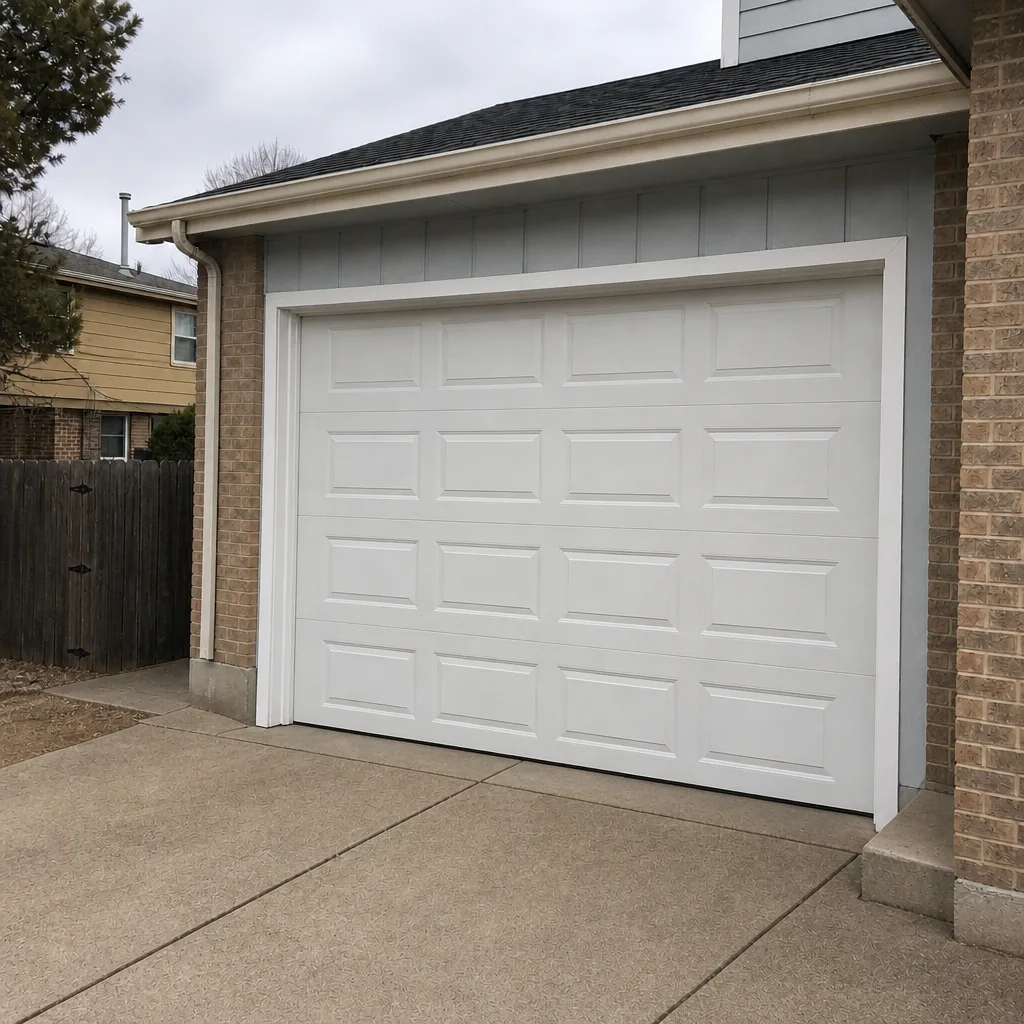
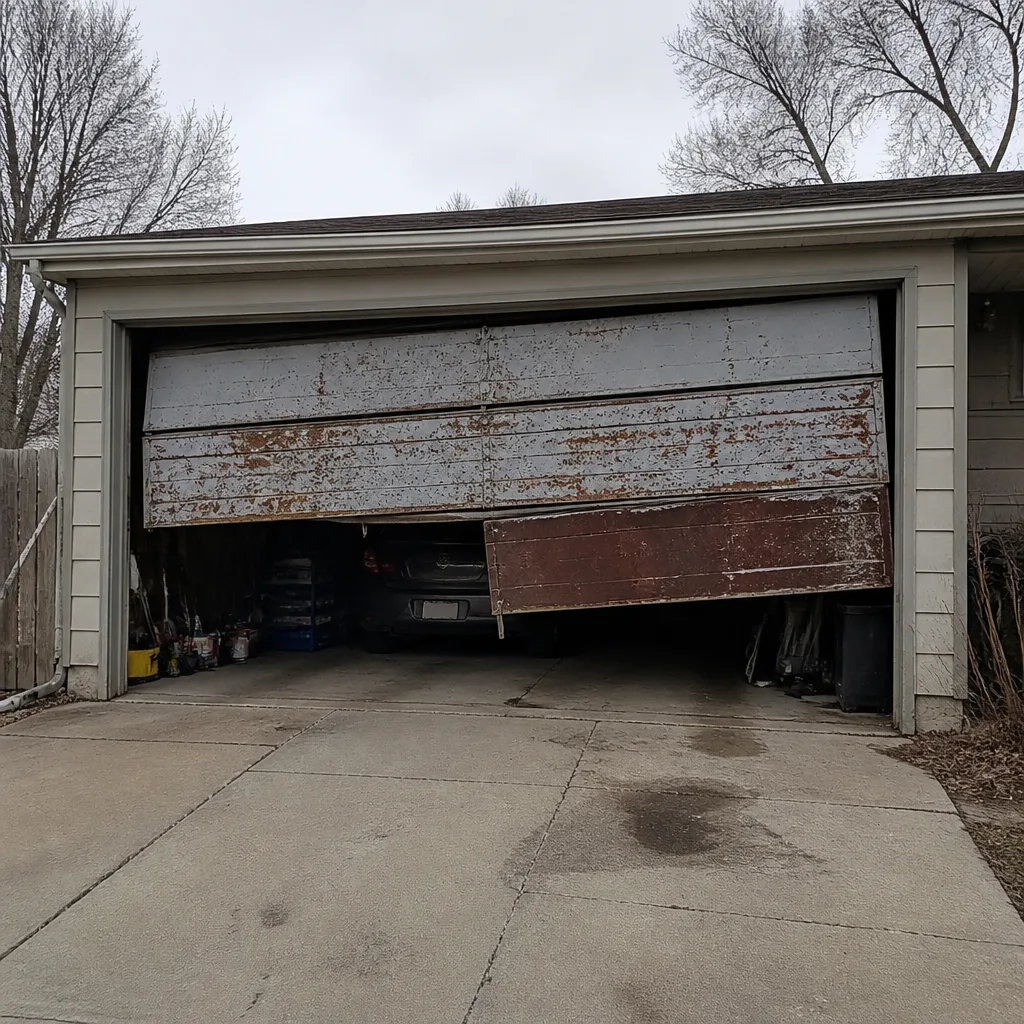
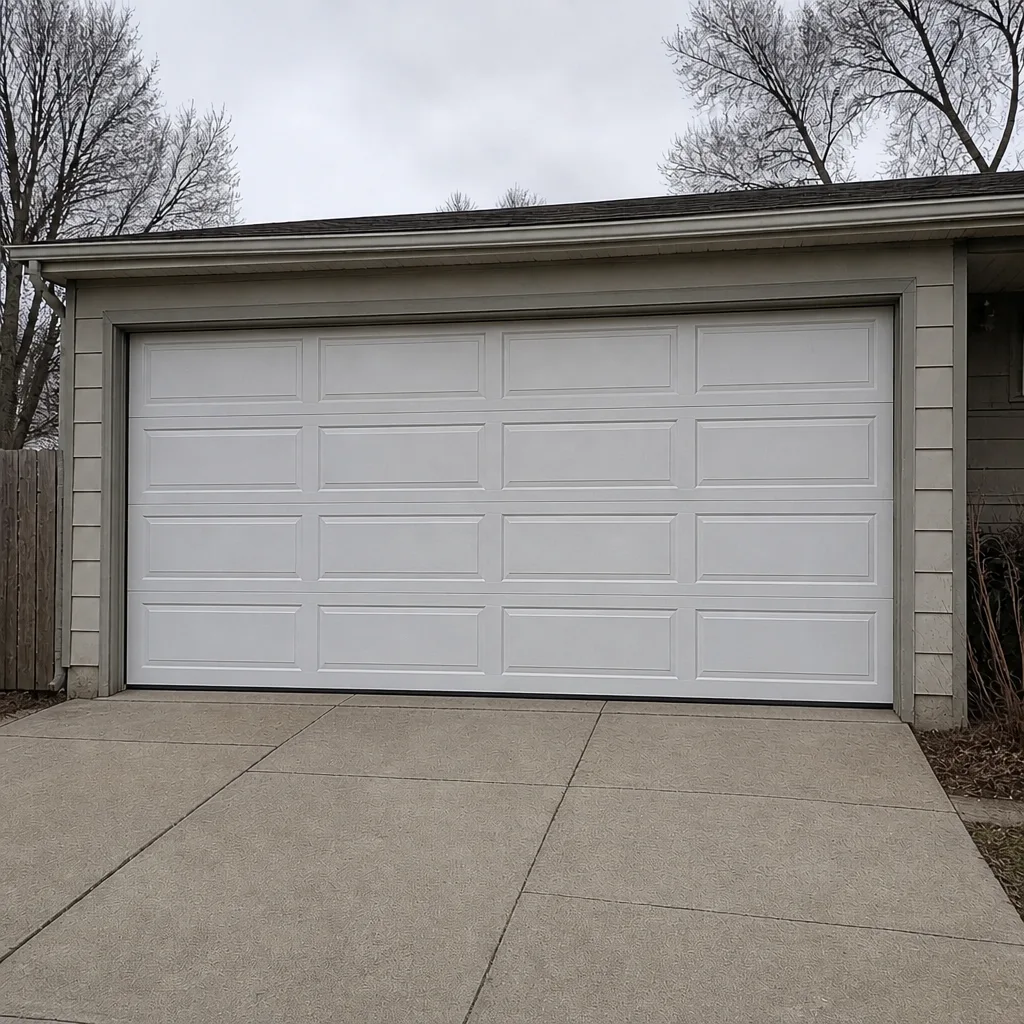
See the difference
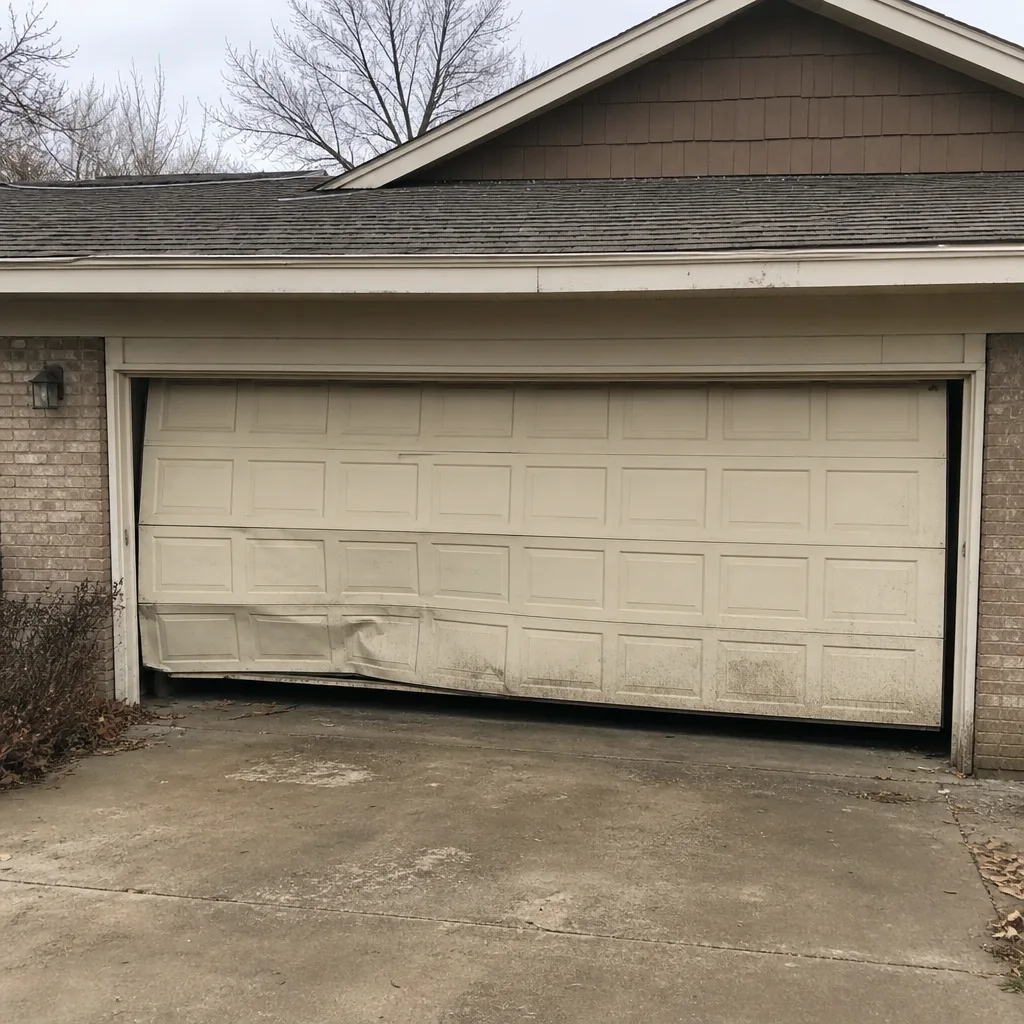 Before
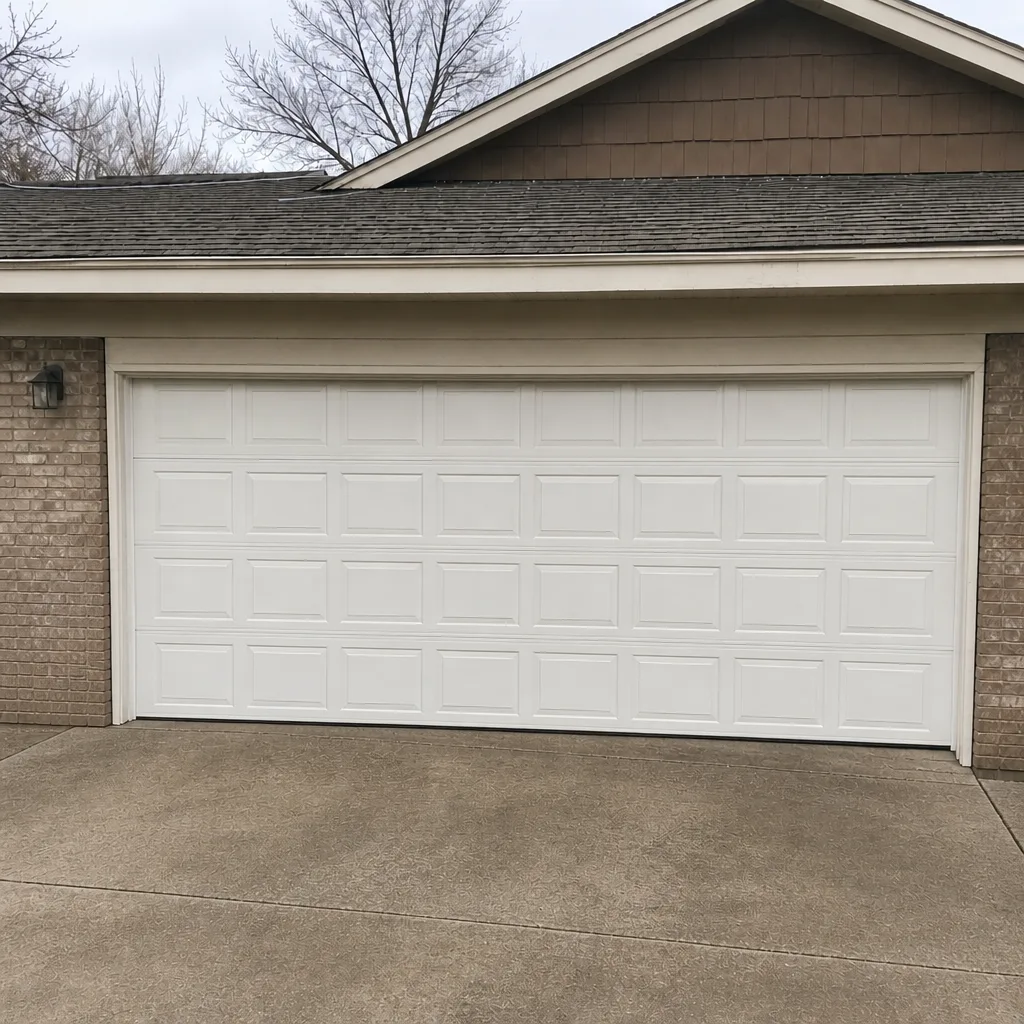 After
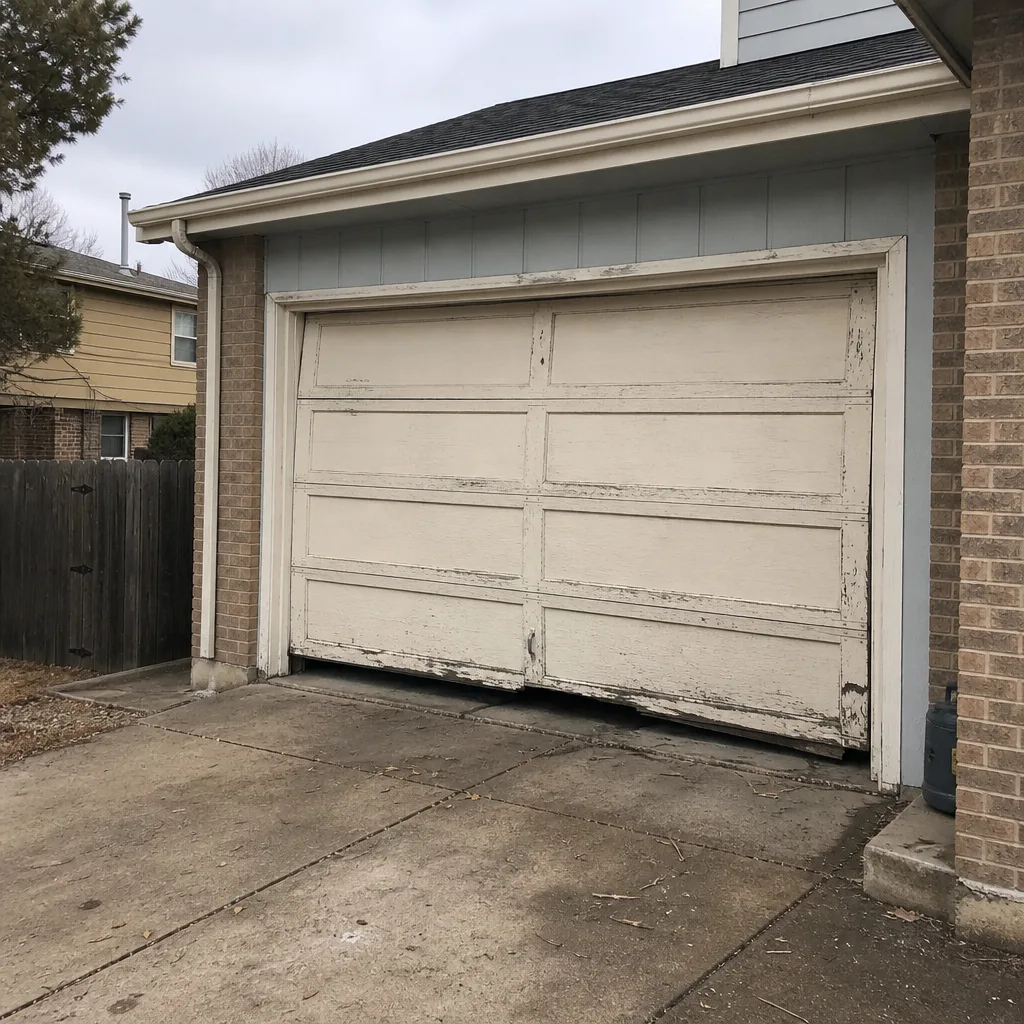 Before
 After
 Before
 After
When to Call a Professional
Call for a professional technician when you see any of these: a slack cable at either corner, a door off its track, popping from the spring assembly, a grinding that appears in the middle of every cycle, a door that won’t hold its mid-open position, a frayed or popped cable, or a safety reverse that fails the paper-towel test. Also call when a door reverses on nearly every cycle and a sensor reset hasn’t fixed it, or when the opener’s flash code suggests logic-board trouble. If the door’s motion feels wrong when you use it by hand, that’s the clearest signal to stop and get help. Westminster Garage Door Repair Pros offers free estimates in Westminster, and our technicians have up to 11 years of experience with the specific brands you’re likely to have. Call (844) 484-8234 and describe the symptom; we’ll tell you whether it can wait or needs a technician out. Prices are quoted and agreed before any work starts, so the estimate you receive is the price you’ll see.
Frequently Asked Questions
The most common garage door warning sign in Westminster is a grinding or scraping sound during the open-and-close cycle. In our experience, grinding comes from opener gears or torsion bearings drying out, while scraping comes from a track or roller issue. Either is worth a professional look within days. A spring-related pop is also common but should be treated more urgently because of the tension involved. Call (844) 484-8234 for a free estimate.
You can tell by testing the door by hand: if a balanced door lifts with light pressure, the opener is the problem; if the door feels heavy or won’t hold a mid-open position, the door system is the problem. Rattle and grinding from the opener’s motor housing point at the opener, while scraping, bowing, and floor gaps point at the door. Diagnose by touch and sound first, then call with the specific observation.
Yes. Springs are the highest-risk part of any garage door, and Westminster’s dry air and temperature swings make them cycle through more tension change than in milder climates. Popping from the spring assembly, a door that won’t hold a mid-open position, or a cable that’s lost tension all mean stop and call. Don’t adjust or lubricate a spring you suspect is failing; a technician should see it in place first. Spring repair is one of the services we treat as a dedicated specialty, and estimates are free when you call (844) 484-8234.
You can diagnose and handle a few things yourself: replacing a remote battery, wiping the safety-beam lenses, and tightening a loose roller or hinge are generally safe. You should never touch the springs, cables, drums, or anything in the lifting system that’s under tension. Grinding gears, off-track doors, and failed reverses need a trained technician. If you’re not sure which side a symptom falls on, call and describe it rather than experimenting.
LiftMaster and Chamberlain openers use LED flashes on the motor and wall control that map roughly to sensor faults, obstruction, logic-board trouble, or motor non-response. A steady flash on the motor with no movement often means sensor or logic, while synchronized flashes between wall control and motor often point at wiring between them. Write down the pattern and the brand before you call; that single detail lets a technician walk in knowing where to start. Our team is brand-familiar with both, and a free estimate starts with (844) 484-8234.
That depends on the symptom. Rattling, a small floor gap, and slow opener response with a solid door usually give you weeks to schedule; grinding, slack cables, off-track doors, and spring popping need a technician within days. The rule of thumb is simple: if the door sounds or looks different than it did last month, don’t wait to find out which column it’s in. Call (844) 484-8234 and describe what you see and hear; the answer usually comes fast.
The Bottom Line
Garage doors tell you what’s wrong well before they fail, and the signs split cleanly into sounds, visuals, and opener behavior. Learn the four sounds and you’ll know whether the problem is the drivetrain, the track, the spring, or loose hardware. Learn the three visual tells and you’ll catch a bowed panel or a slack cable before it becomes a structural repair. Learn the opener behavior patterns and you’ll separate sensors from logic boards from RF interference in a few minutes. The one-year rule is the practical takeaway: some symptoms let you plan, some require a call today. Our team works on your brand across Westminster, and our technicians have up to 11 years of experience with the specific systems you have.
If anything in this guide matched something you noticed on your own door, the next step is a free estimate. Westminster Garage Door Repair Pros handles repair, opener repair, spring repair, installation, and parts supply, and we diagnose by brand instead of guessing. Our team works on LiftMaster, Chamberlain, Genie, Clopay, Amarr, Wayne Dalton, Craftsman, and Raynor systems, and the price is quoted and agreed before any work starts. Call (844) 484-8234 to schedule a visit, describe the symptom, and get a written estimate.
Written by the team at Westminster Garage Door Repair Pros.