Last updated November 20, 2026
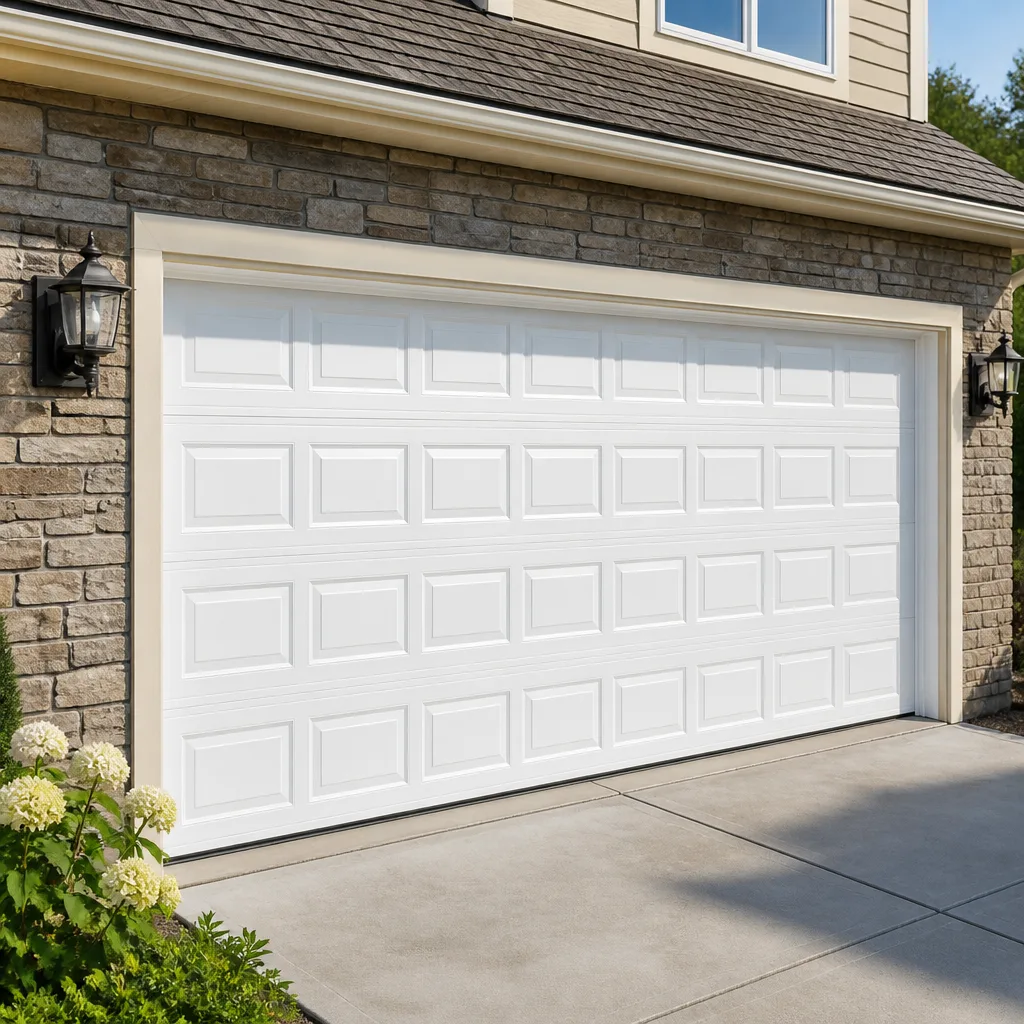 Raised-panel steel
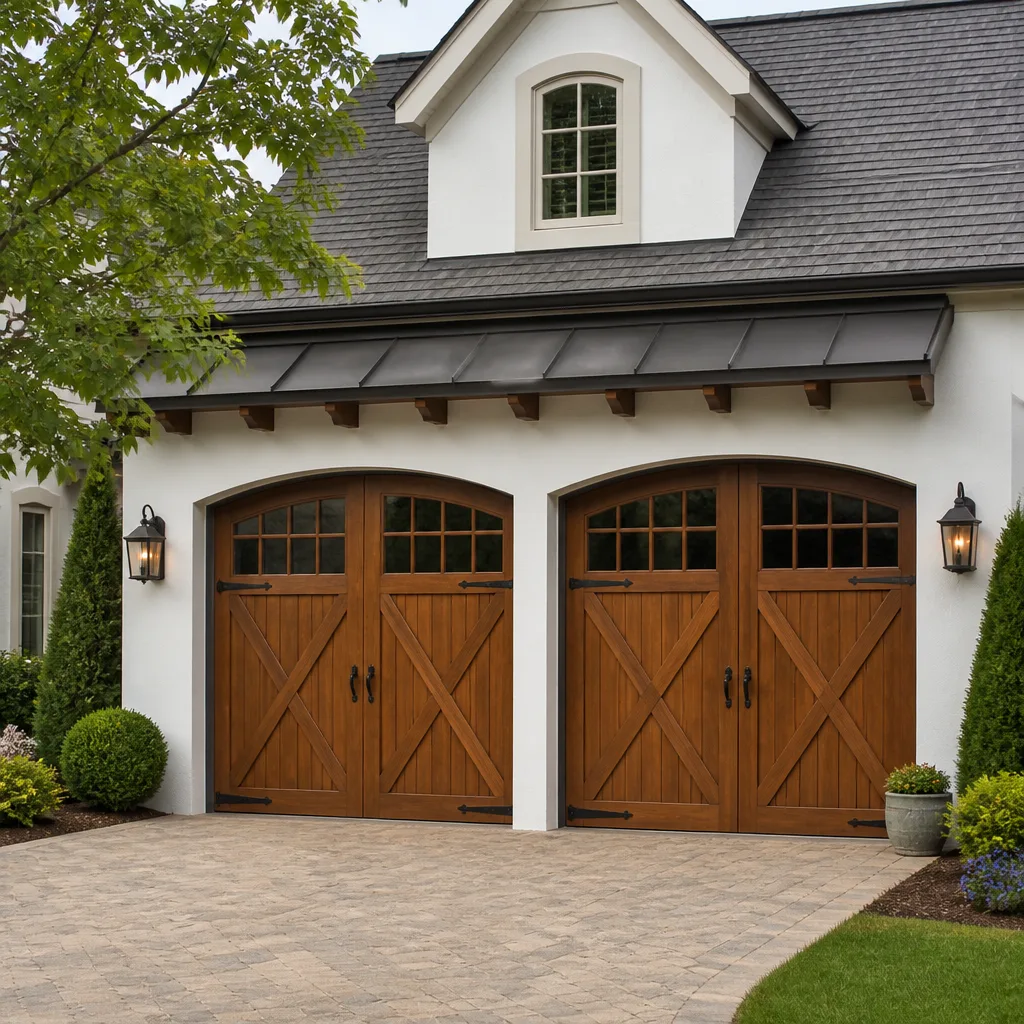 Carriage house
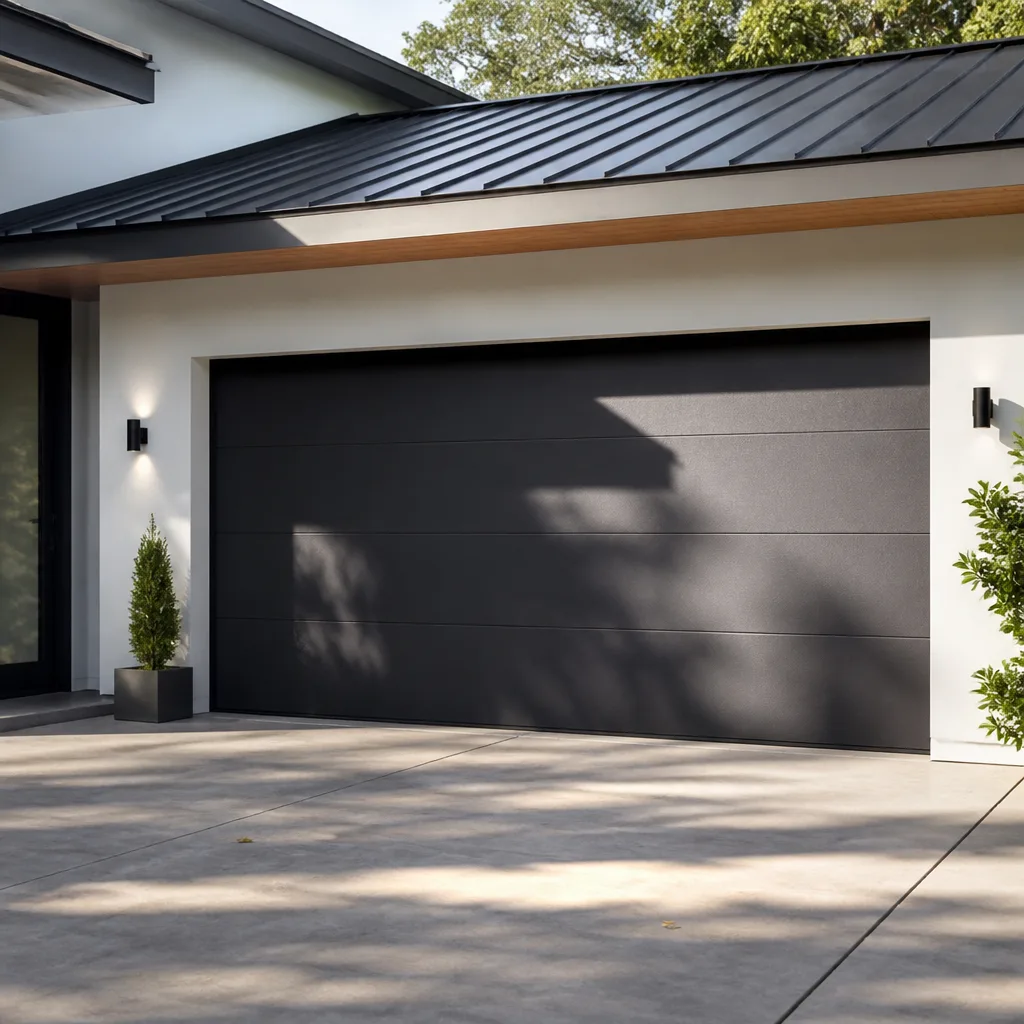 Modern flush
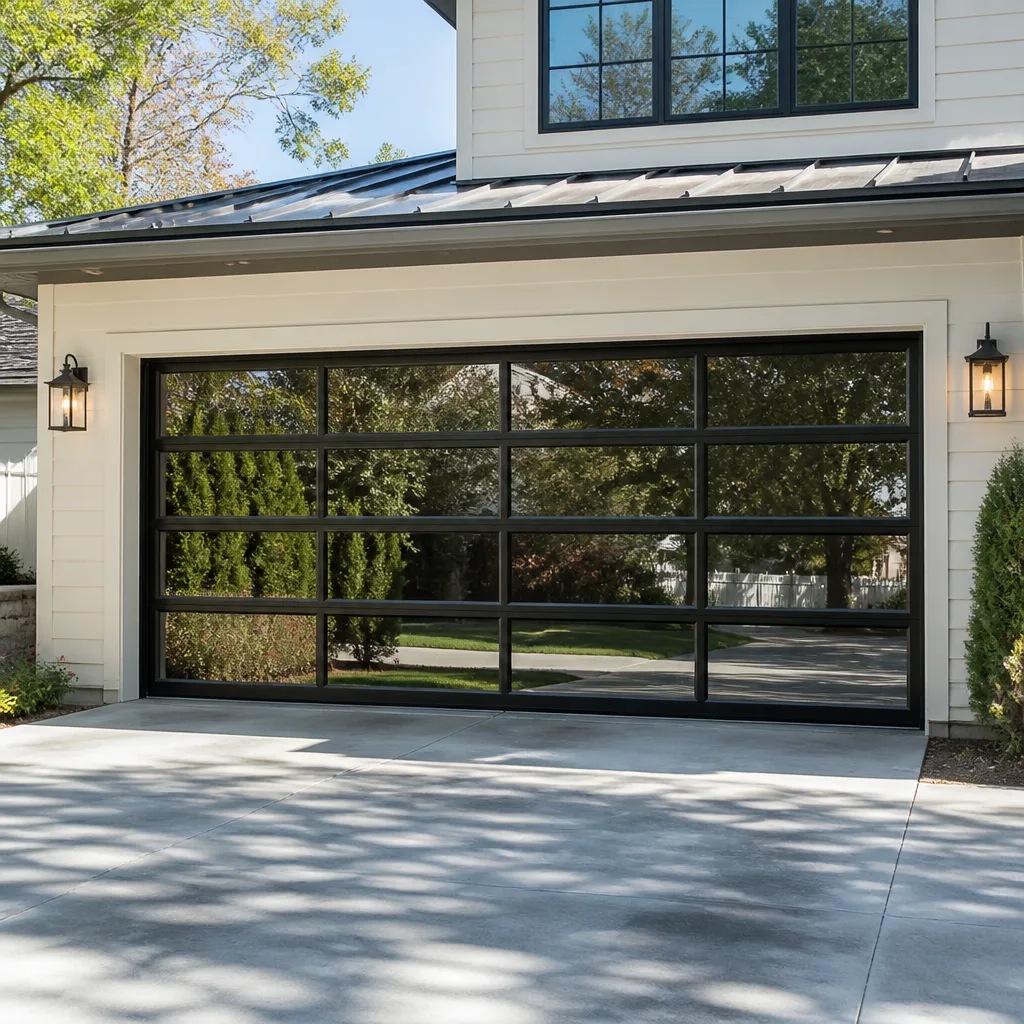 Full-view glass
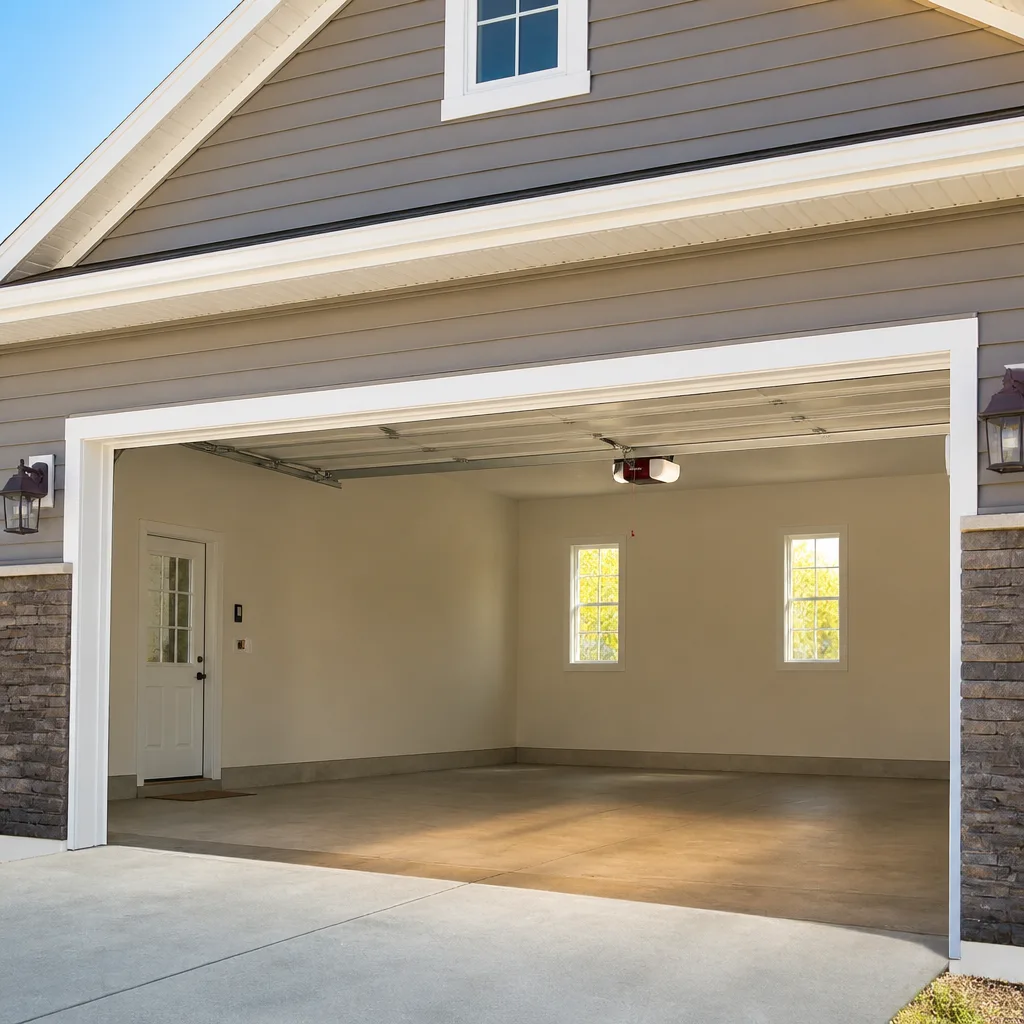 LiftMaster openers
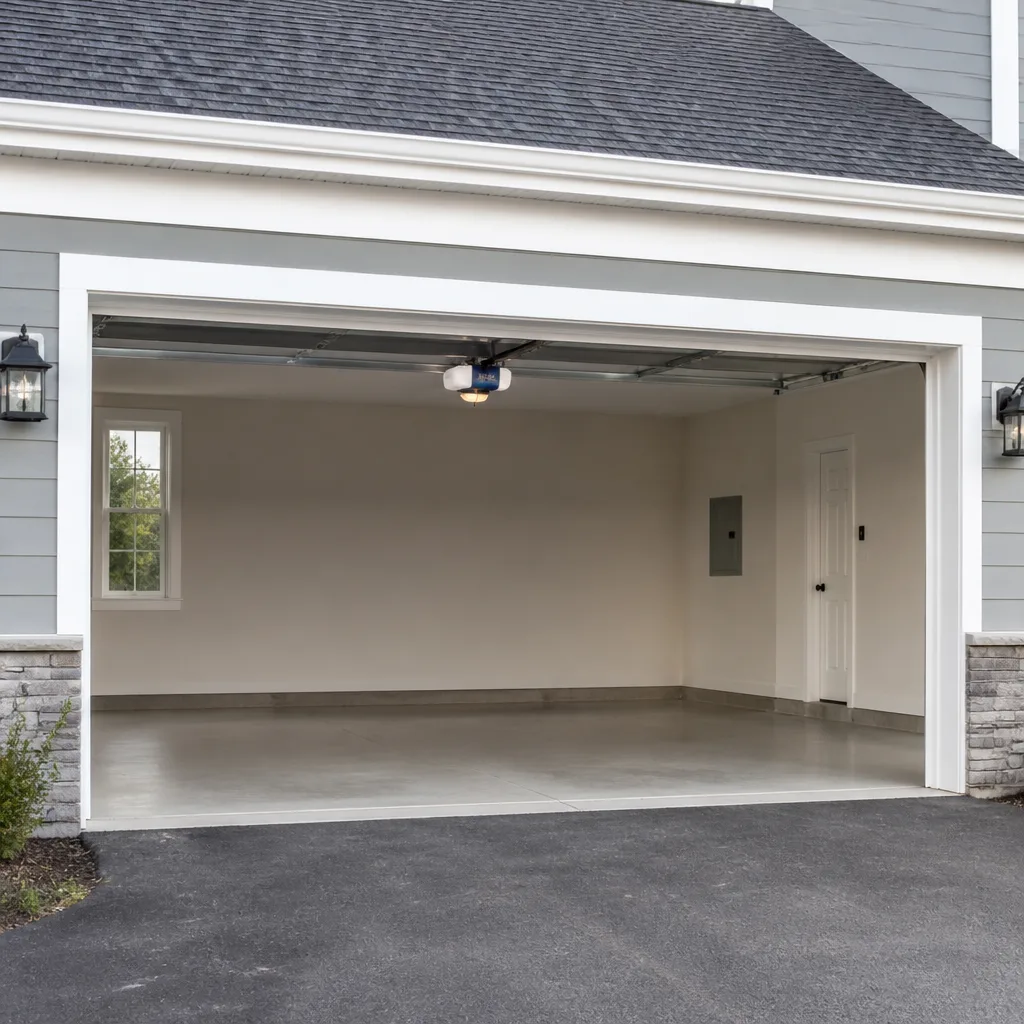 Chamberlain openers
Full 25-point door and opener safety check with every visit - springs, cables, rollers, tracks, and your LiftMaster or Chamberlain opener included
You get a price before we start. It does not change when the pro arrives.
Get your free estimateGarage Door Emergency Preparedness Guide for Westminster Homes
Most homeowners think about their garage door exactly once: the moment it stops working. That’s the wrong time to learn how to disengage an opener, how to check whether a panel has been compromised, or who to call at an odd hour. The door is the largest moving object in your house, and in Westminster it faces something most preparedness guides ignore entirely: serious horizontal wind load coming off the Front Range. This guide walks you through preparing for the three failures we see most often – power interruptions, storm damage, and a door that suddenly won’t secure – so that when something goes wrong you already know the steps. No panic, no guesswork.
Quick Answer
A garage door emergency in Westminster usually comes down to one of three things: the opener has lost power or failed, storm winds or hail have damaged or shifted the door, or a mechanism has failed and the door won’t close or lock. The single most useful preparation is learning how to disengage your specific opener and lift the door by hand before you need to do it in the dark. After that, keep our number saved – (844) 484-8234 – and know the difference between a temporary secure and a full repair.
Styles & brands we work with
- Raised-panel steel
- Carriage house
- Modern flush
- Full-view glass
- LiftMaster openers
- Chamberlain openers
Table of Contents
- How Do You Open a Garage Door by Hand During a Power Outage?
- Power Outage Protocol: Which Westminster Homes Are Most Vulnerable?
- Wind and Hail Damage Triage: Is Your Door Still Safe to Open?
- Security Mode: When the Door Won’t Close or Lock
- Why Opener Brand Matters in an Emergency
- Who to Call After Hours in Westminster
- Building a Garage Door Preparedness Kit
- Preventive Checks That Reduce Emergency Risk
How Do You Open a Garage Door by Hand During a Power Outage?
You pull the emergency release cord, and then you lift the door by hand. That’s the short version. The part that trips people up is that the release cord behaves differently depending on whether your opener uses a trolley system (most LiftMaster, Chamberlain and Genie units) or a jackshaft setup mounted on the side of the torsion bar. You also need to know that once the door is disengaged, the spring system – not the opener – is holding the full weight of the door. That distinction matters for safety.
The safest way to prepare is to practice the disengage-and-lift sequence once, during daylight, with someone else present. Here’s the general sequence:
- Locate the release cord. On a standard ceiling-mounted opener it hangs from the trolley carriage; on a wall-mounted jackshaft unit it’s usually a lever or a pull handle on the side housing.
- With the door fully closed, pull the cord straight down (or flip the lever) until you feel the carriage release. Don’t yank – a hard pull can bind the trolley.
- Lift the door slowly by hand from the bottom center. A properly balanced door should lift with moderate effort. If it feels extremely heavy, stop and don’t force it – that’s a sign of a spring problem.
- Prop or hold the door at the height you need; it will not stay up on its own unless the springs are in good shape.
- To re-engage, close the door fully, then run the opener once so the carriage reconnects. Check that the trolley has latched before you walk away.
One caution we repeat to every Westminster homeowner: never put your fingers between the door panels or near the hinges while the door is in motion, and never try to adjust or unhook a torsion spring yourself. Those springs are under extreme tension, and the injury risk is real. If the door won’t lift with reasonable force, that’s a spring or balance issue for a trained technician – not a DIY project. We handle garage door repair across Westminster and see a lot of damage from forced manual operation.
Power Outage Protocol: Which Westminster Homes Are Most Vulnerable?
Any home can lose power, but some Westminster layouts make it a bigger problem than others. The homes most vulnerable are those where the garage is the primary entry – long driveways with no side service door, detached garages set back from the house, and older properties where the only way in from the driveway is through the overhead door. If your house has a separate pedestrian door into the garage, a power outage is a mild inconvenience. If it doesn’t, it’s a locked-out situation.
Here’s how to think about your outage risk before it happens:
- Identify your access points. Walk your property and note every door into the garage. If the overhead door is the only one, you’re in the high-risk group and battery backup deserves serious consideration.
- Know what your opener does when power drops. Most modern openers – LiftMaster and Chamberlain models in particular – offer a battery backup accessory that keeps the door operating for a limited number of cycles after the grid goes down. Check your opener’s manual or the model label on the motor housing to see if yours supports one.
- Keep the manual release reachable. If the release cord is tangled, buried behind stored boxes, or too short to reach from the ground, fix that now.
- Store a physical key or code backup. If you rely on a keypad or a phone app to open the door, a power outage or a dead keypad battery can lock you out even if the door itself is fine.
For homeowners inclined to upgrade, a battery backup opener is the single most useful piece of emergency hardware you can add. It won’t help if the door itself is damaged, but for the far more common scenario – a storm knocks out power for a few hours – it keeps the garage usable. If your opener is aging and you’re weighing replacement, our garage door opener repair team can tell you whether a backup accessory fits your current unit or whether a new opener makes more sense.
What to do in the first five minutes of an outage
- Don’t cycle the opener repeatedly hoping it will catch. If there’s no power, it won’t move, and repeated attempts can drain a backup battery you might need later.
- Check whether the outage is neighborhood-wide or just your panel. A tripped breaker in the garage is a different problem from a grid outage.
- If you need to get a vehicle out, disengage the opener and lift the door by hand, following the sequence above.
- Leave the door in the position you need, and re-engage the opener once power returns before using the remote.
Wind and Hail Damage Triage: Is Your Door Still Safe to Open?
After a Front Range wind event, the first question isn’t “how do I fix it” – it’s “is this door safe to operate at all.” A garage door that has taken a horizontal wind load can look fine from the driveway and still have a bent track, a shifted panel, or a roller popped out of its guide. Opening a compromised door can turn a repair into a replacement, or worse, bring the door down off its track.
Here’s a triage sequence to run before you touch the opener:
- Look at the tracks from the side. Stand at an angle and sight down each vertical track. A track that’s bent, kinked, or pulled away from the jamb means the door is compromised. Don’t run the opener.
- Check the panels for dents and separation. A dented panel isn’t automatically a safety problem, but a panel that’s separated from its hinge or has pulled free of the stile is. Hail damage often shows up as small dents that don’t affect operation – wind damage is the bigger structural concern.
- Test the balance by hand. Disengage the opener and lift the door about a foot. If it feels heavier than usual or binds partway up, stop. A door that won’t lift smoothly has a spring, cable, or track problem.
- Inspect the cables. Look for cables that are frayed, off their drums, or hanging slack. A slack cable is a serious safety issue – don’t operate the door and don’t try to rewind it yourself.
- Check the weather seal and bottom bracket. A bottom seal that’s torn or a bracket that’s bent can let wind and water in, but it’s usually not a reason to stop using the door.
If everything looks straight and the door lifts smoothly by hand, you can usually operate it normally and schedule a professional inspection at your convenience. If any of the checks above fail, leave the door closed if you can, and call for a professional assessment before operating it again. This is exactly the kind of call our spring and repair specialists handle – Westminster Garage Door Repair Pros works on both the door structure and the opener, so a storm-damaged door and a finicky opener get diagnosed together rather than by two different trades.
Why Westminster doors face more wind load than most homeowners assume
The Front Range produces sustained winds and strong gusts that hit garage doors broadside. A door that was never rated for that horizontal load can flex, shift on its tracks, or in the worst cases blow inward. If you’ve had a door flex visibly during a gust, it’s worth having the bracing and track anchors checked rather than waiting for the next storm. Older doors with light-gauge tracks and no reinforcement are the most exposed.
Security Mode: When the Door Won’t Close or Lock
A door that won’t close is a security problem before it’s a convenience problem. The most common causes are a misaligned safety sensor, a track obstruction, a failed limit switch on the opener, or a door that’s come slightly off its tracks after a bump. The good news is that most of these have a quick diagnostic you can run in a couple of minutes.
If your door stops and reverses immediately after starting to close, work through this list:
- Safety sensors first. The two small photo-eye sensors at the bottom of the tracks need to be aligned and unobstructed. Wipe them clean, check that the indicator lights on both are solid (not blinking), and look for anything – a broom, a recycling bin, a fallen leaf pile – breaking the beam.
- Track obstructions. Look for debris, a bent track section, or a roller that’s jumped out of the guide. Don’t force the door past a physical obstruction.
- Limit settings. If the door reverses at the same spot every time, the opener’s travel limit may have drifted. This is usually an opener adjustment, not a door problem.
- Manual close as a stopgap. If the opener won’t close the door, disengage it and lower it by hand, then secure it with the manual lock bar or slide bolt if you have one. That gets you through the night while you arrange a repair.
If the door won’t lock after a break-in attempt – a bent latch, a forced manual release, a damaged track from prying – that’s a different job. The door may need realignment, and the lock hardware may need replacement before the garage is secure again. In that situation, a temporary secure (getting the door closed and locked so the garage is not open to the street) comes first, and the full repair follows. We treat those as two separate steps so you’re not waiting on a full repair to get your garage closed.
Why Opener Brand Matters in an Emergency
When an opener fails, the fastest path to a fix is knowing the brand and the model. Openers from LiftMaster, Chamberlain, Genie and Craftsman share diagnostic logic within their own families – the same error codes, the same limit adjustments, the same safety-reverse test sequence – but the logic differs enough between brands that a technician guessing at parts wastes time. That’s why we ask for the brand and model number before we arrive whenever we can. It’s also why brand fluency matters in an emergency: knowing the unit means the repair is a same-system diagnosis, not trial and error.
What to have ready when you call:
- The opener brand and model number from the label on the motor housing (or a photo of the label).
- The door brand if you know it – Clopay, Amarr, Wayne Dalton and Raynor are common in Westminster, and door brand helps us anticipate panel and hardware compatibility.
- What the door is doing: won’t open, won’t close, reverses, makes a grinding noise, remote doesn’t work but the wall button does.
- Whether the door is currently open, closed, or stuck partway.
If you’re planning ahead rather than reacting, a full garage door installation lets you match the opener to your door from the start, which makes future troubleshooting much simpler.
Who to Call After Hours in Westminster
Call our line – (844) 484-8234 – and be ready to describe the door’s current position and what happened. The dispatcher’s job is to figure out whether you need a temporary secure tonight or whether the door can wait for a scheduled repair. Getting that distinction right saves you money and gets you safe faster.
When you call, have these details ready:
- Your address and cross street (neighborhood helps – a door in Legacy Ridge and a door in Shaw Heights can have different exposure and access considerations).
- Door position: open, closed, or stuck partway. If it’s open and won’t close, say so first.
- What happened in the last 24 hours – storm, power outage, a bump, a strange noise, or nothing obvious.
- Whether anyone is home and whether the garage is your only entry.
- The opener brand and model if you can see it.
Temporary secure vs. full repair
A temporary secure is exactly what it sounds like: the goal is to get the door closed and locked so your garage isn’t standing open to the street, with the understanding that a proper repair follows. A full repair is the actual fix – replacing the failed spring, realigning the track, replacing the opener logic board, or whatever the diagnosis calls for. Knowing which one you’re asking for helps set expectations on timing and on price, and it means you’re not paying for a full repair in the middle of the night when a secure would have gotten you through.
Building a Garage Door Preparedness Kit
You don’t need much, but the few items below turn an emergency into a minor hassle. Put them together in a small box or bag and keep it in the garage or a nearby utility area.
- A printed card with the door and opener brands and model numbers. No phone digging in the dark.
- Our number, written down. (844) 484-8234. Phones die; paper doesn’t.
- A flashlight and spare batteries. The overhead light won’t help if the door is stuck and the power is out.
- A manual lock bar or slide bolt for securing the door if the opener fails and you need to leave it closed.
- A step stool. The manual release cord on some taller doors is easier to reach with a step, and you should never climb on a bucket.
- Owner’s manuals for your opener and door if you have them. The limit adjustment and safety-reverse test procedures differ by brand.
The one drill worth running
Once a year, in daylight, walk through the disengage-and-lift sequence with your household. Ten minutes. Everyone who drives should know where the release cord is and how to pull it. This matters even more for households where someone is home alone during the day – knowing the drill means a power outage doesn’t mean being stuck in or out of the garage.
Preventive Checks That Reduce Emergency Risk
Most garage door emergencies start as small issues nobody noticed. A roller that’s worn, a track that’s slightly loose, an opener limit that’s drifted an eighth of an inch – these are cheap to fix early and expensive to fix after they’ve caused a failure. Here’s a quarterly walk-through:
- Lubricate the moving parts. Rollers, hinges, and the torsion bar bearings. A garage door lubricant, not WD-40, is the right choice.
- Test the safety reverse. Put a roll of paper towels or a 2×4 flat under the door and close it. The door should reverse on contact. If it doesn’t, that’s an opener adjustment that needs attention.
- Check the balance. Disengage the opener, lift the door halfway, and let go. A balanced door should hold its position. A door that drifts down is losing spring tension.
- Look at the springs. Torsion springs over the door or extension springs along the sides. Look for gaps, stretched coils, or rust. Never touch or adjust them – just note what you see and call.
- Inspect the tracks and hinges. Loose track bolts, bent hinges, and frayed cables all show up here first.
- Test the remotes and keypad. Replace remote batteries on a schedule rather than waiting for a failure.
If anything on that list turns up a problem you can’t resolve by tightening a bolt, that’s the moment to call. We’ve seen plenty of Westminster homes where a small track issue turned into a full panel replacement after a windy week because nobody looked at it in time. Our technicians have up to 11 years of experience and we work on both the door and the opener, so a single visit can catch the whole system.
Common Mistakes to Avoid
- Forcing a stuck door with the opener. If the door binds, the opener will keep trying and can strip the gear or burn out the motor. Disengage and diagnose before running it again.
- Pulling the manual release while the door is open. If the springs are weak, the door can drop. Always disengage with the door fully closed and the spring system at rest.
- Ignoring a door that flexes in the wind. A door that bows visibly under a Front Range gust is telling you its tracks and bracing are undersized for the load. Have it checked before the next storm.
- Assuming a dented panel is just cosmetic. Sometimes it is. Sometimes the panel has separated from the hinge and the door is structurally compromised. Look at the hinges and the track, not just the face.
- Waiting out a power outage without a backup plan. If the overhead door is your only garage entry, a battery backup or a practiced manual release is not optional – it’s your lockout insurance.
- Calling a general handyman for a spring or opener job. Springs and opener logic boards are the two areas where generalists most often get it wrong, and a bad spring repair can be worse than the original failure.
- Not writing down the model numbers. In an emergency, every minute spent hunting for the opener label is a minute the door is stuck. Keep the numbers on a card in the garage.
See the difference
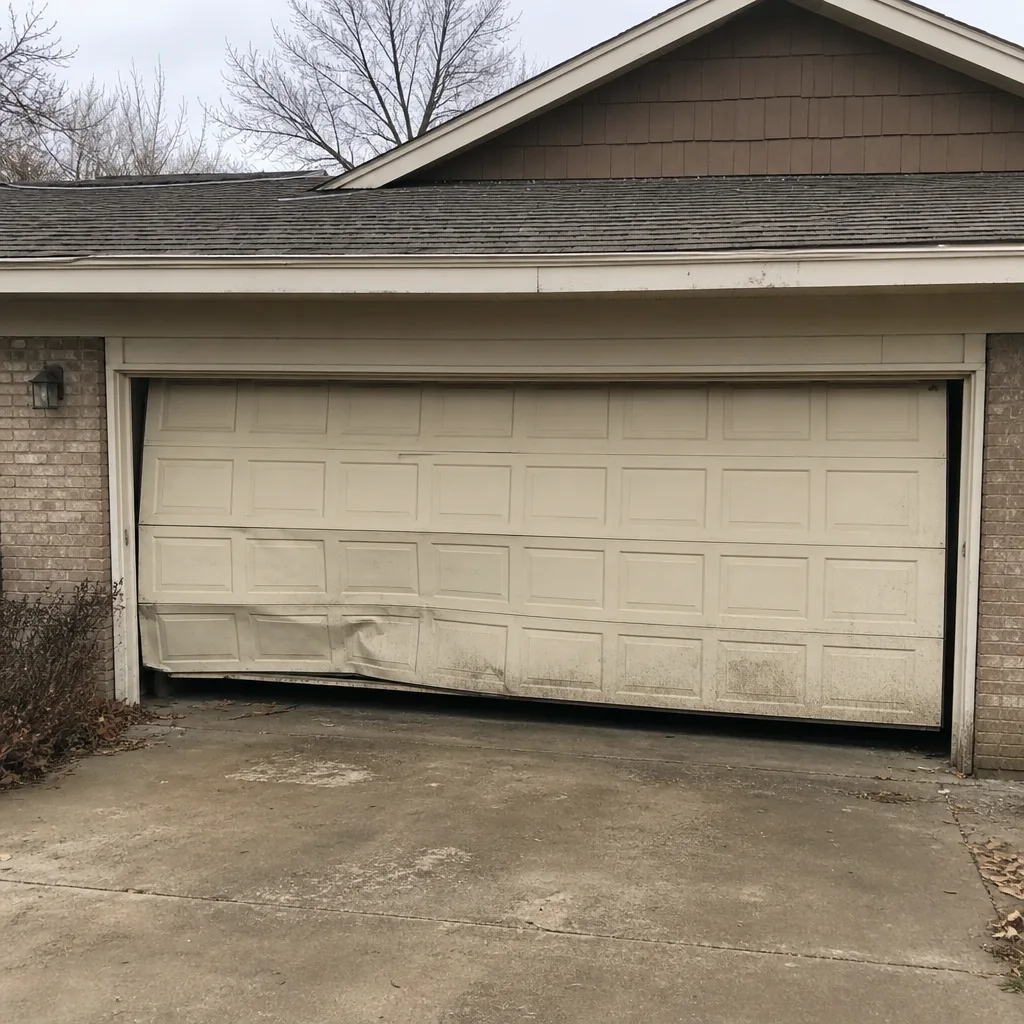 Before
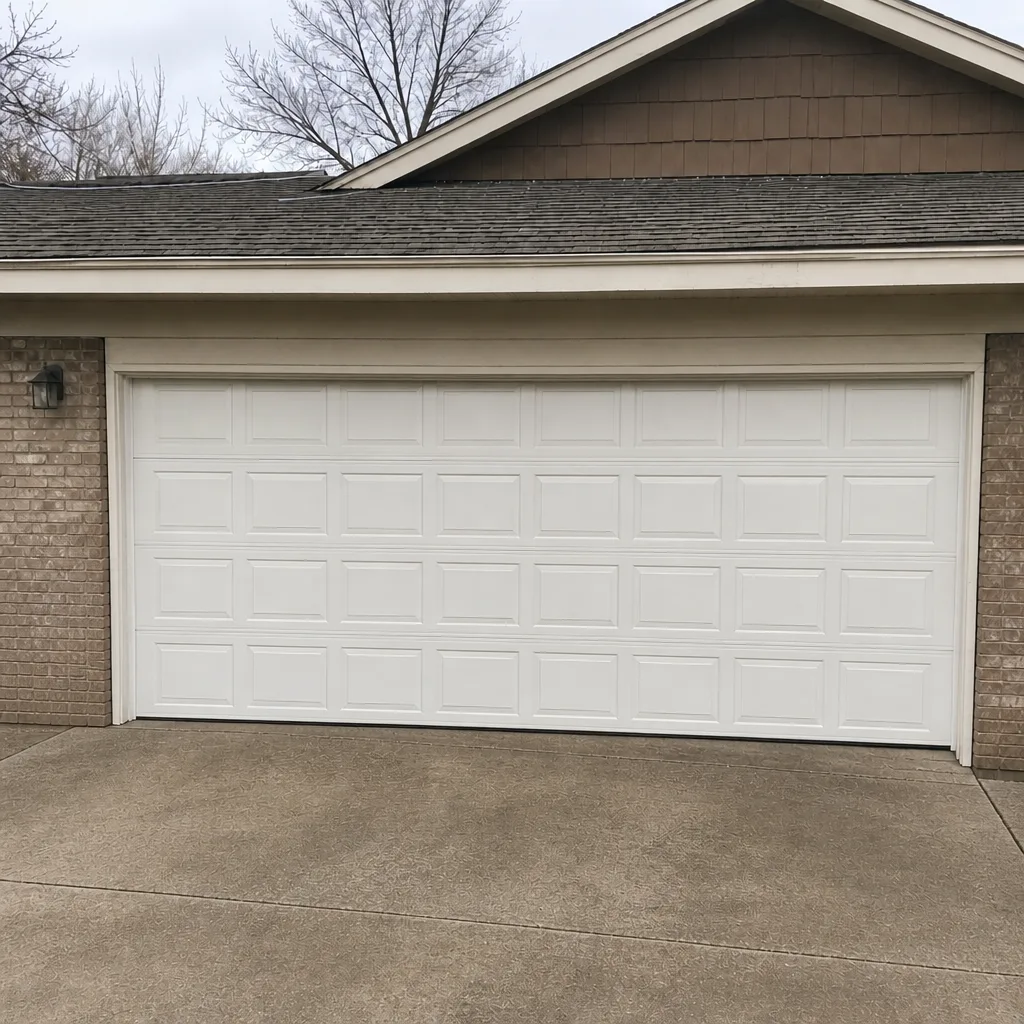 After
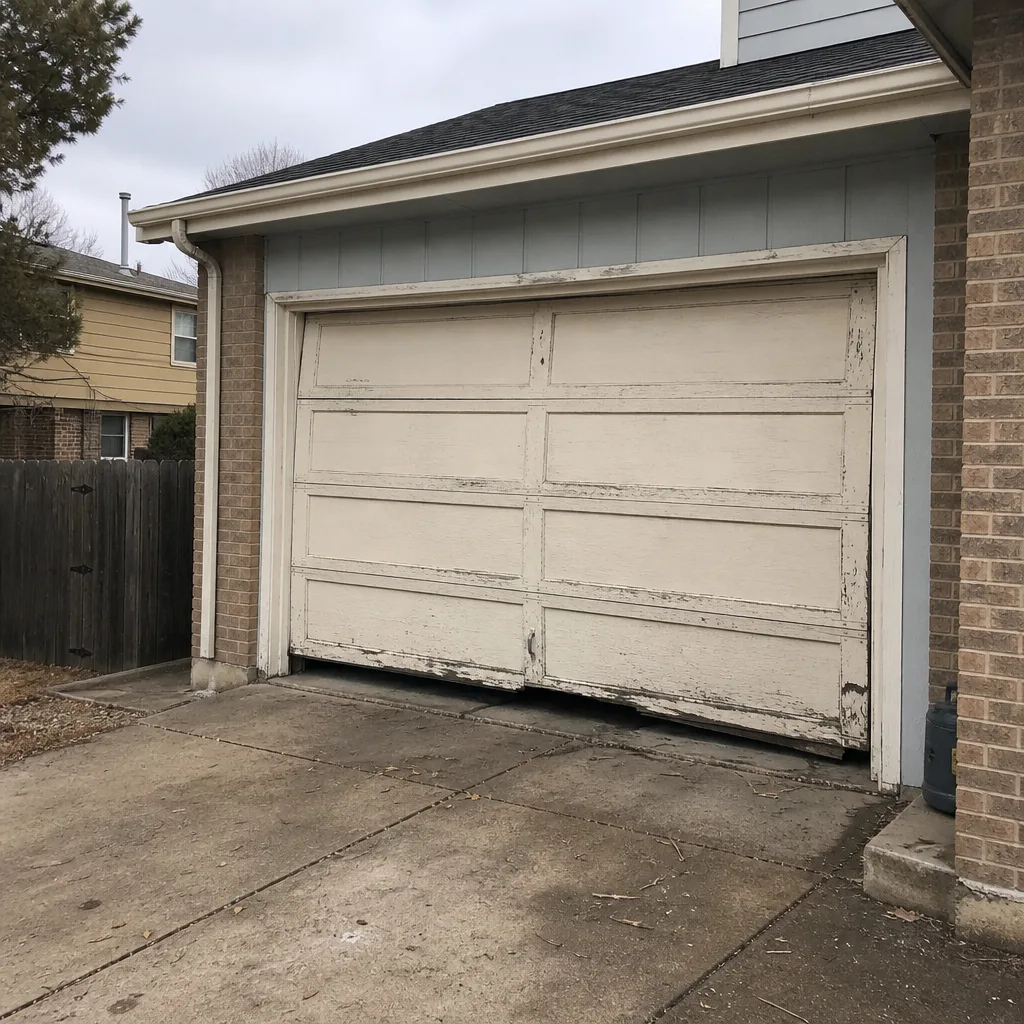 Before
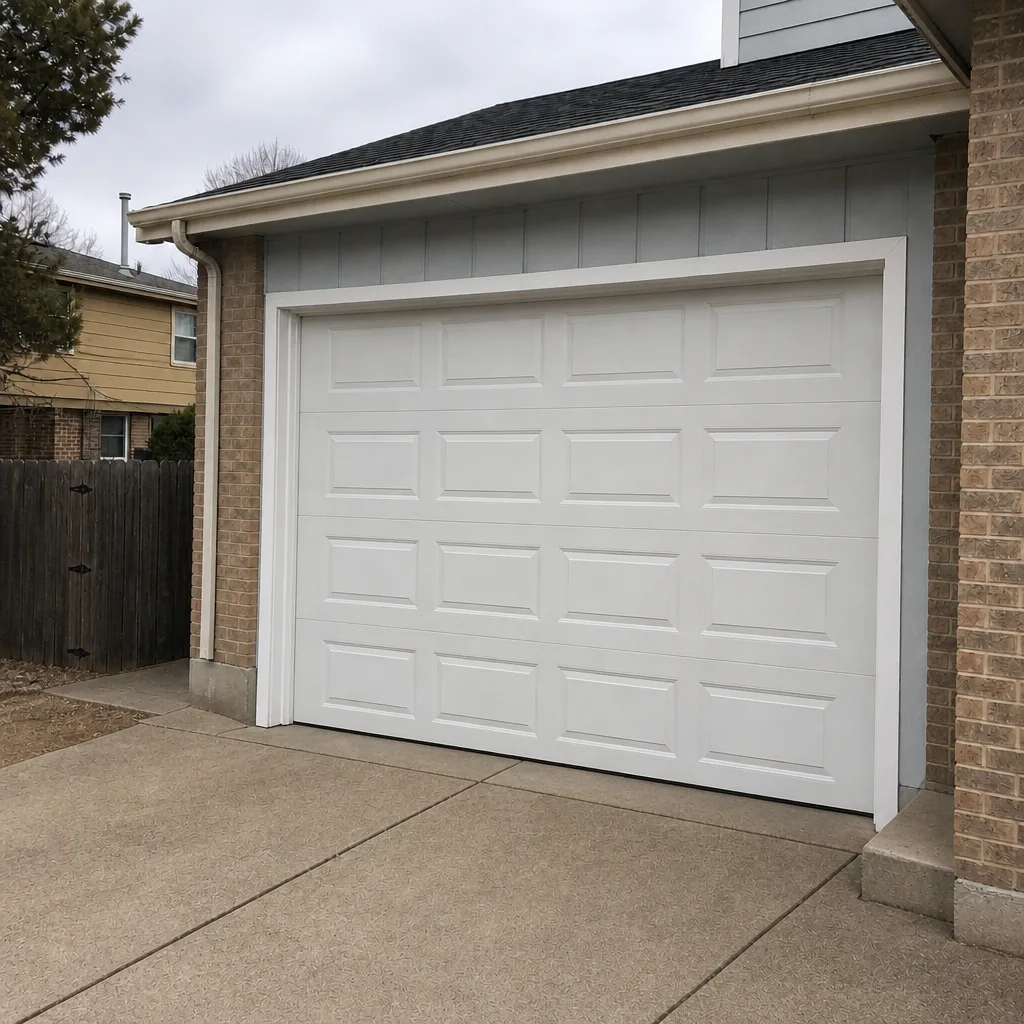 After
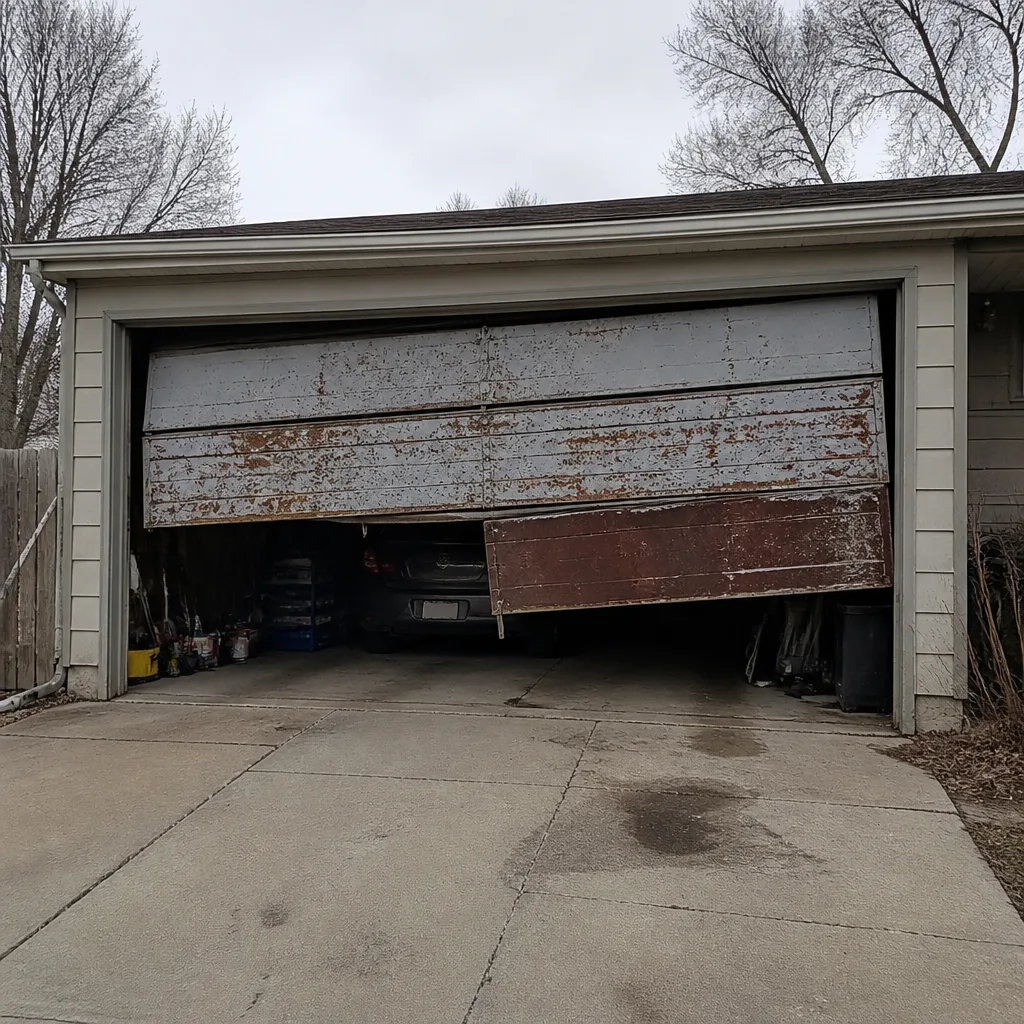 Before
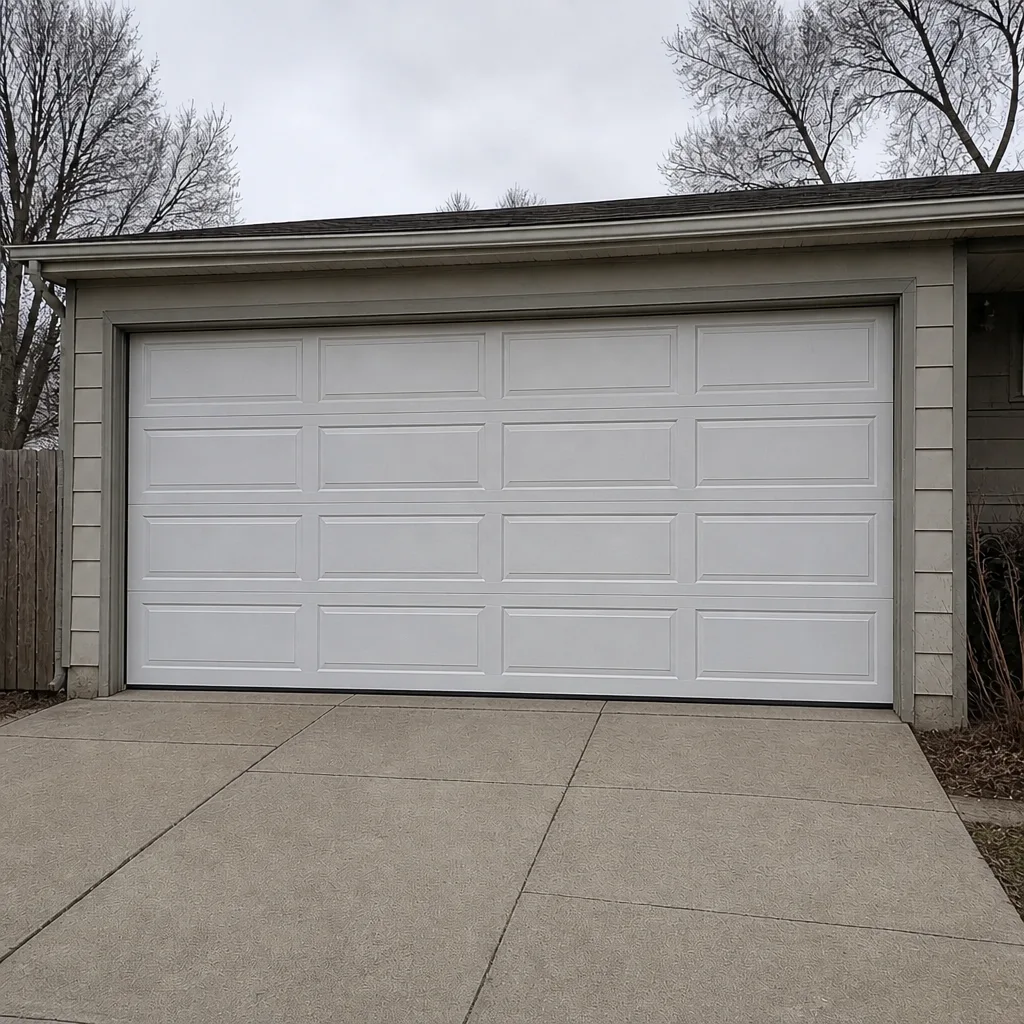 After
When to Call a Professional
Call a professional if the door won’t lift smoothly by hand after you disengage the opener, if either track is bent or pulled from the jamb, if you see a slack or frayed cable, if a torsion spring has a visible gap, or if the door has come off its tracks entirely. Call immediately if the door is stuck open and won’t close and the garage isn’t otherwise secure – that’s a temporary-secure situation. Don’t call a professional for a dented panel that operates normally or a remote with a dead battery; those can wait. Westminster Garage Door Repair Pros offers free estimates in Westminster – call (844) 484-8234, and we’ll help you figure out whether you’re looking at a repair or a secure-and-schedule.
Frequently Asked Questions
Pull the emergency release cord down (or flip the lever on a jackshaft opener) with the door fully closed, then lift the door by hand from the bottom center. A balanced door lifts with moderate effort; if it feels very heavy, stop and call us – that’s a spring issue, not a power issue.
Check the safety sensors first, then look for track obstructions or a roller out of its guide, and don’t force the door. If the door has been hit by wind load and the tracks are bent, leave it and call (844) 484-8234 – operating a storm-damaged door can turn a repair into a replacement.
You need one if your garage is your primary entry or if you have no side service door. Homes with long driveways and detached garages are the most exposed to lockouts when the power drops. A backup accessory on a LiftMaster or Chamberlain opener keeps the door usable through short outages.
It depends on what failed – a sensor adjustment is a very different job from a spring replacement or a bent track realignment. We quote the price before any work starts, so you’ll know the number before we begin. Call (844) 484-8234 for a free estimate.
A door stuck open is a security priority, so call us and describe the situation – we’ll tell you what’s realistic. A temporary secure (getting the door closed and locked) is often the right first step, with the full repair scheduled after. Call (844) 484-8234.
The local professionals we connect you with are licensed and insured as their state requires, and our technicians have up to 11 years of experience. We work on both the door and the opener, so a single call covers the whole system.
The Bottom Line
Garage door emergencies in Westminster come down to preparation. Learn how to disengage your opener and lift the door by hand. Keep your brand and model numbers written down, along with our number. Run the quarterly checks so small problems don’t become storm-week failures. And know the difference between a temporary secure and a full repair, so you’re not paying for the wrong one. When something does fail, call (844) 484-8234 – we’ll help you triage it and give you a free estimate on the fix.
Written by the team at Westminster Garage Door Repair Pros.